If you’re sourcing tea for retail, private label, distribution, or export, one of the first questions you’ll ask is:
“How much does bulk tea cost per kilogram?”
The honest answer is—it depends.
Unlike many commodities, bulk wholesale tea pricing isn’t determined by a single market rate. The final cost per kg depends on multiple factors including tea origin, grade, harvest season, processing method, order quantity, packaging requirements, logistics, and export compliance.
Understanding these pricing drivers helps buyers negotiate better, compare suppliers fairly, and avoid paying more than necessary.
This guide explains exactly what influences bulk wholesale tea pricing and what buyers should consider before requesting quotations.
What Is Bulk Wholesale Tea Pricing?

Bulk wholesale tea pricing refers to the price buyers pay when purchasing loose tea in commercial quantities rather than consumer-sized retail packs.
Depending on the supplier, tea may be sold by:
- Kilogram (kg)
- 25 kg sacks
- 30 kg cartons
- 50 kg lots
- Mixed wholesale orders
- Pallet quantities
- Full container loads
Most professional suppliers provide pricing based on volume tiers, where larger purchases reduce the cost per kilogram.
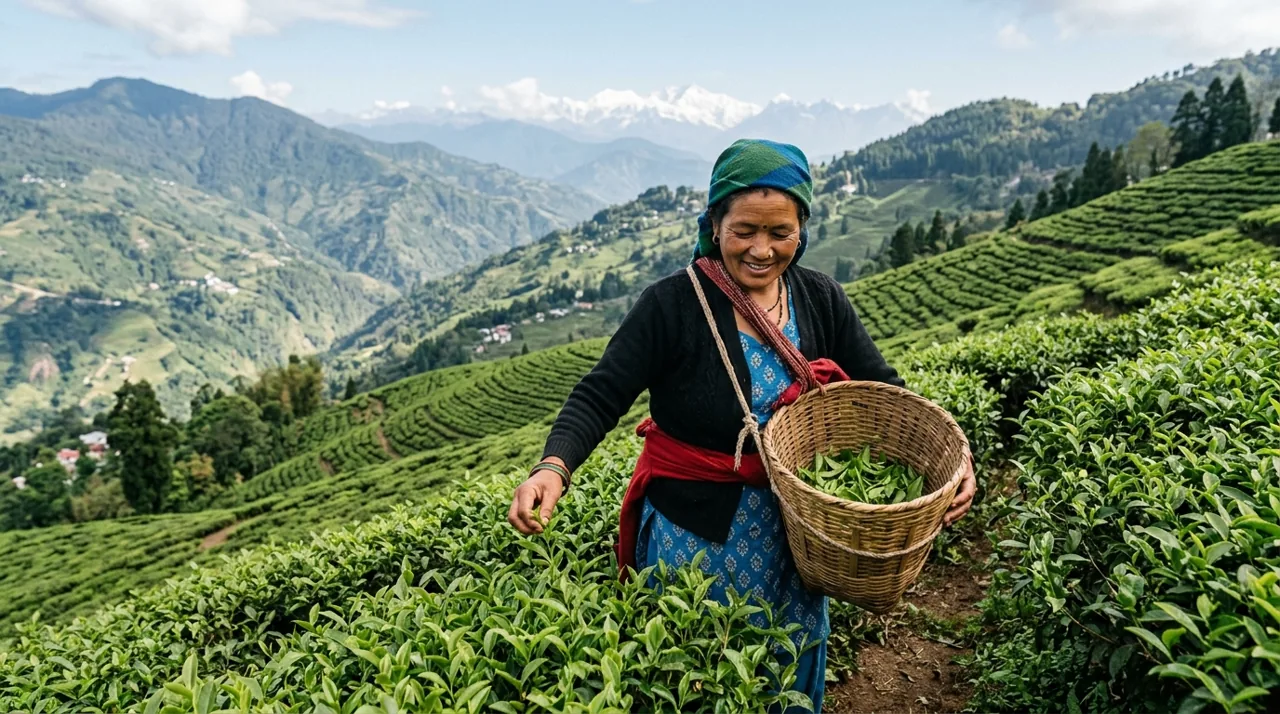
1. Tea Origin Has the Biggest Impact on Price
Origin is often the single largest factor influencing tea prices.
Different growing regions produce teas with unique flavour profiles, availability, and market demand.
Examples include:
- Darjeeling
- Assam
- Dooars
- Bihar
- Nilgiris
- Nepal
Premium origins generally command higher prices because of reputation, limited production, and international demand.
Ricwell sources tea across Darjeeling, Assam, Bihar, and the Dooars, allowing buyers to select products that match both their quality expectations and target price point.
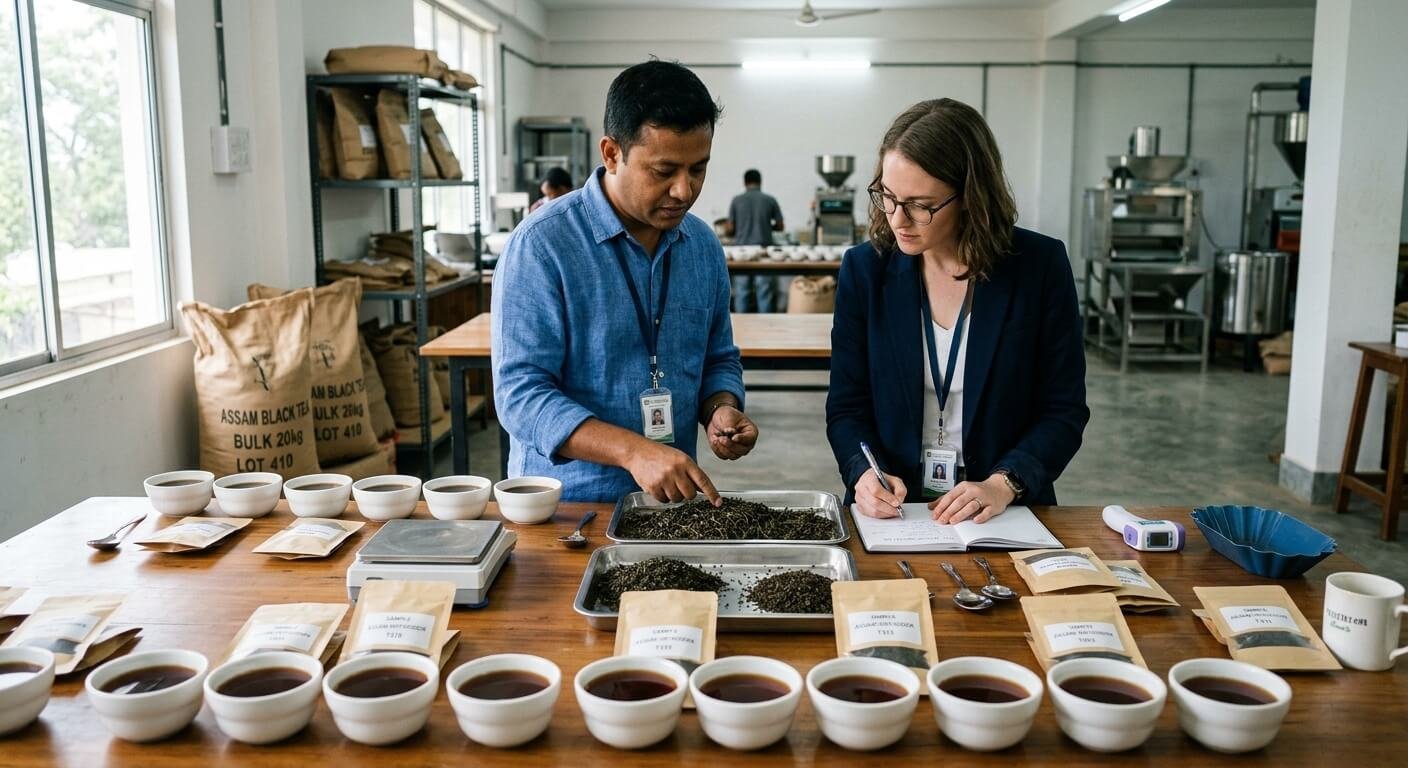
2. Tea Grade Determines Commercial Value
Two teas from the same estate can have significantly different prices depending on grade.
Common factors include:
- Whole leaf vs broken leaf
- Orthodox vs CTC
- Leaf appearance
- Aroma
- Uniformity
- Liquor quality
- Manufacturing consistency
Higher grades generally require more careful processing and attract premium buyers.
For commercial blends or foodservice applications, lower grades may offer better value without compromising the final product.
3. Harvest Season Influences Cost
Tea prices fluctuate throughout the year.
Seasonal harvests influence:
- Supply
- Quality
- Buyer demand
- Auction prices
Premium seasonal teas typically cost more because production volumes are limited while demand remains high.
Buyers planning annual procurement should account for seasonal price movement rather than assuming prices remain constant year-round.
4. Order Volume Reduces Cost Per Kg
Wholesale pricing usually follows a tiered structure.
For example:
| Order Size | Typical Pricing Trend |
|---|---|
| 5–20 kg | Highest price per kg |
| 25–100 kg | Moderate pricing |
| 100–500 kg | Lower cost per kg |
| 500 kg+ | Best commercial pricing |
Larger orders reduce handling, packaging, documentation, and logistics costs, allowing suppliers to offer better pricing.
Ricwell provides MOQ-based wholesale pricing with larger-volume pricing tiers for commercial buyers.
5. Processing Method Affects Pricing
Different manufacturing processes create different cost structures.
Examples include:
- Orthodox tea
- CTC tea
- White tea
- Green tea
- Oolong tea
- Specialty handcrafted teas
Handcrafted specialty teas typically involve more labour and smaller production volumes than commercial CTC tea.
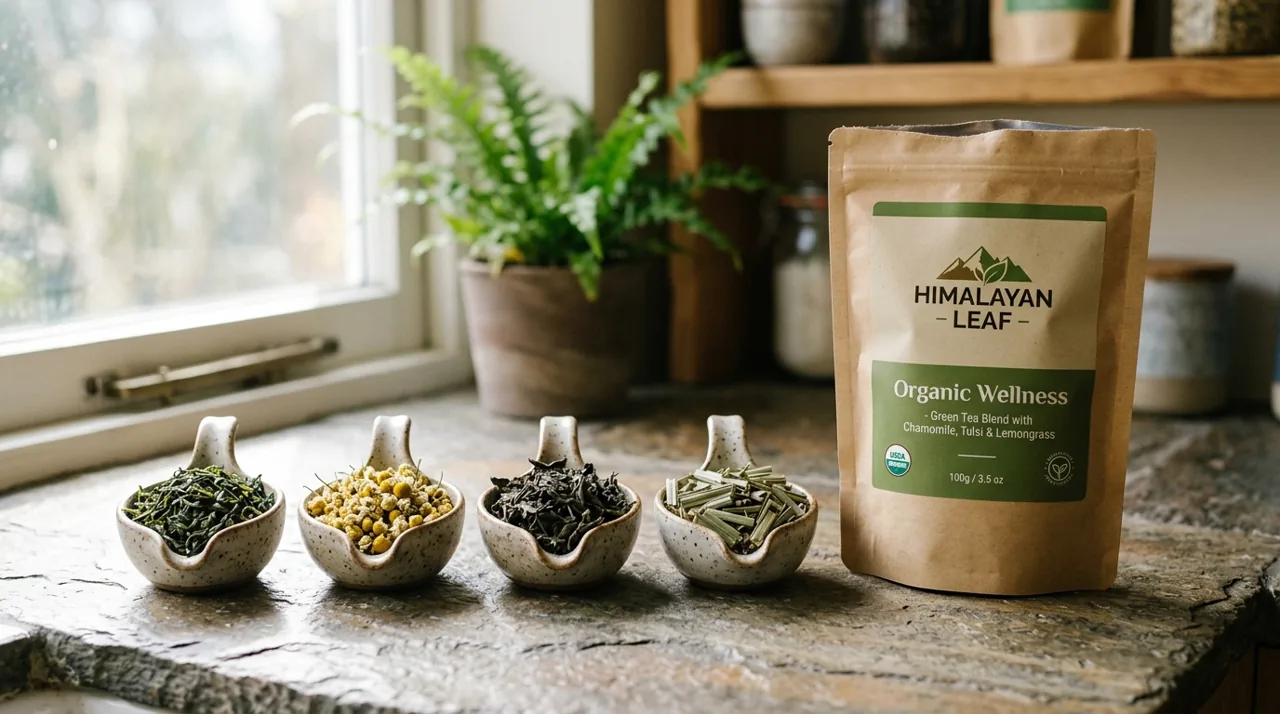
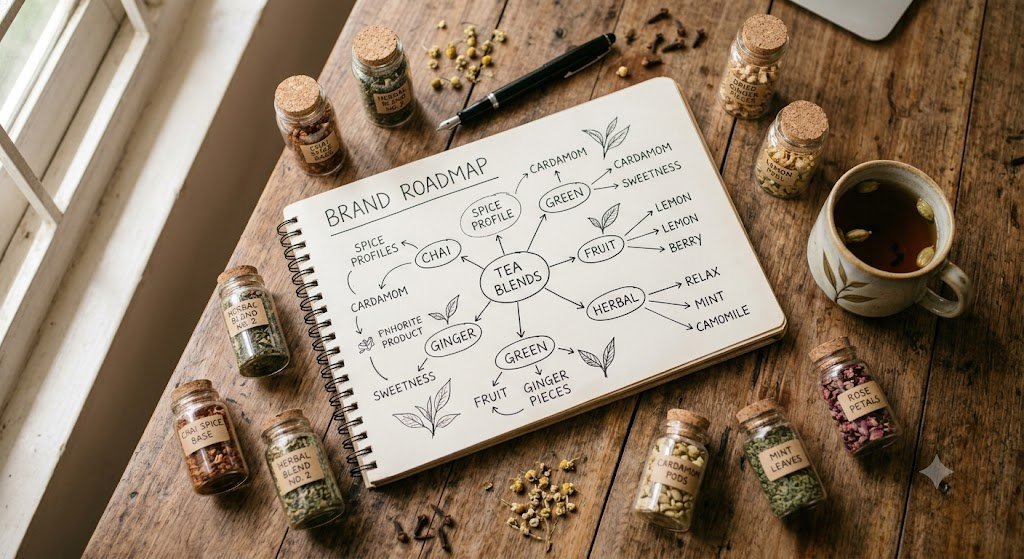
6. Blends and Custom Formulations Cost Differently
Single-origin tea isn’t the only option.
Many businesses purchase:
- Breakfast blends
- Signature blends
- Functional wellness teas
- Herbal infusions
- Flavoured teas
- Chai blends
Custom formulation requires recipe development, ingredient sourcing, blending, testing, and quality control.
Ricwell offers functional wellness formulations and custom blends alongside traditional wholesale tea supply, giving buyers flexibility for private label and retail-ready products.
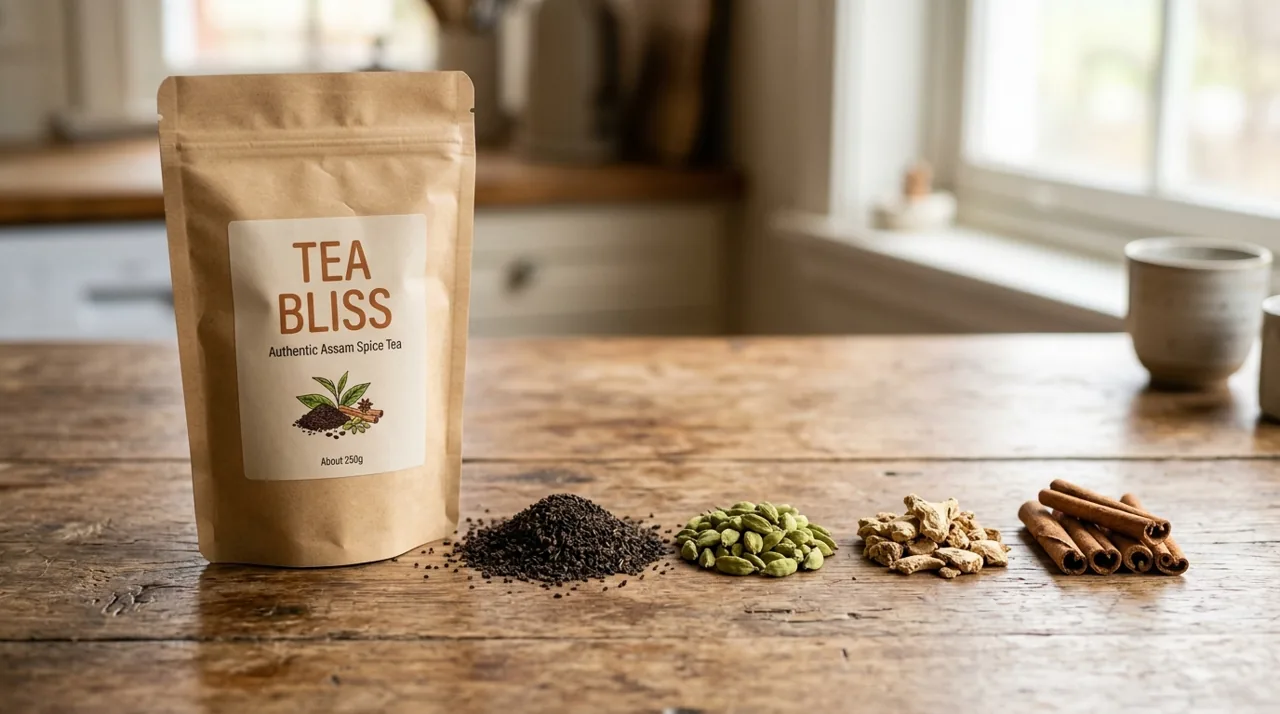
7. Packaging Requirements Add to Total Cost
Loose tea packed into sacks has a different cost than tea prepared for retail sale.
Packaging options may include:
- Bulk sacks
- Food-grade liners
- Kraft bags
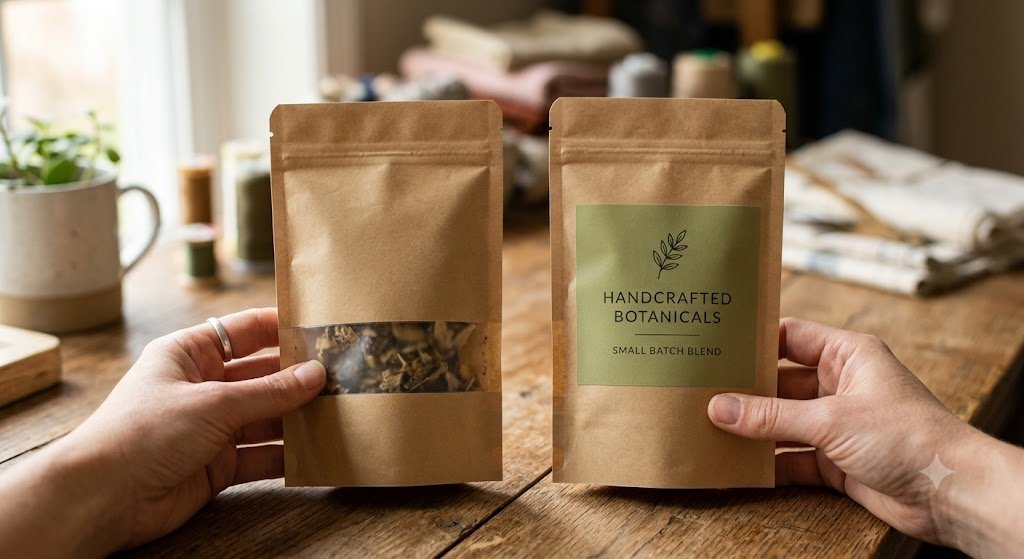
- Stand-up pouches (doypacks)
- Pyramid tea bags
- Private label retail packaging
Custom printed packaging naturally increases the final cost per kilogram because of materials, printing, filling, and labour.
8. Export Documentation and Compliance Matter
For international buyers, documentation isn’t optional.
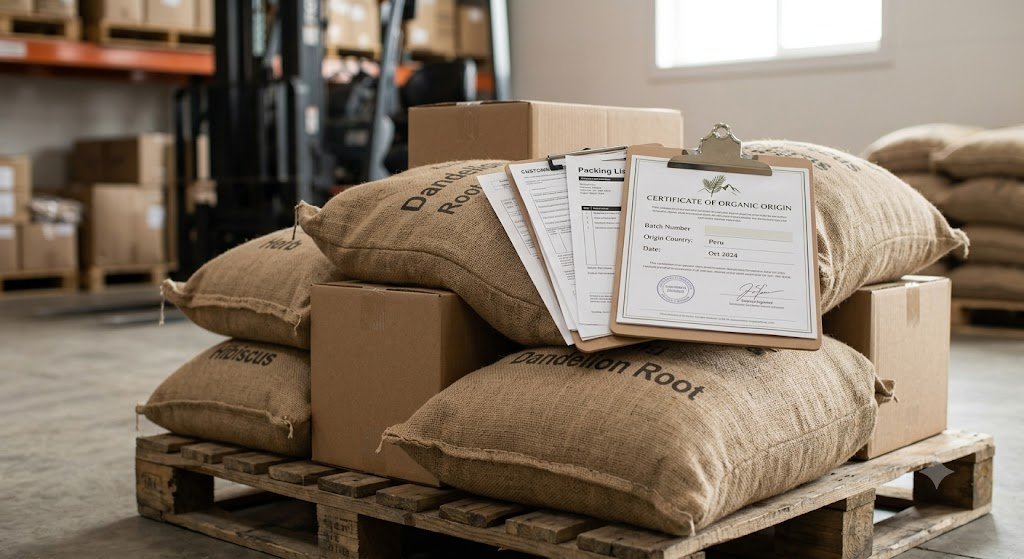
Export-ready shipments often include:
- Certificate of Origin
- Grading reports
- Export documentation
- Phytosanitary certificates
- Compliance paperwork
- Batch traceability
Professional suppliers invest significant resources into preparing compliant export shipments, which should be considered when comparing quotations.
Ricwell positions export compliance as a key differentiator by providing grading documentation and export-ready paperwork for wholesale buyers.
9. Freight and Shipping Costs
The quoted tea price usually excludes freight.
Final landed cost depends on:
- Destination country
- Shipping method
- Container utilisation
- Insurance
- Customs charges
- Inland transport
For export buyers, evaluating the landed cost rather than only the tea price provides a more accurate comparison between suppliers.
10. Supplier Experience and Quality Assurance
The cheapest supplier isn’t always the most cost-effective.
Reliable suppliers provide:
- Consistent grading
- Batch traceability
- Stable sourcing relationships
- Better inventory planning
- Faster communication
- Ongoing procurement support
Paying slightly more for consistency often reduces long-term procurement risk.
How to Compare Wholesale Tea Quotations
Instead of comparing only the price per kilogram, evaluate each quotation using the following checklist.
✔ Tea origin
✔ Tea grade
✔ MOQ
✔ Packaging included
✔ Export documentation
✔ Quality assurance
✔ Lead time
✔ Shipping terms
✔ Payment terms
✔ Sampling availability
This approach ensures you’re comparing complete commercial offers rather than isolated prices.
Why Buyers Work with Ricwell
Ricwell helps wholesalers, distributors, importers, retailers, and private label brands source tea from India’s leading tea-growing regions.
Rather than offering only one estate or one product line, Ricwell provides:
- Bulk loose-leaf tea
- Assam, Darjeeling, Bihar, and Dooars sourcing
- Flexible wholesale MOQs
- Custom tea blends
- Private label manufacturing
- Retail-ready packaging
- Export-ready documentation
- Pan-India and global shipping
This end-to-end sourcing approach helps buyers reduce procurement complexity while maintaining consistent product quality.
Final Thoughts
There is no universal bulk wholesale tea price per kg.
The final cost depends on the product you’re buying, the quantity required, packaging specifications, logistics, compliance requirements, and supplier capabilities.
Understanding these pricing factors helps buyers negotiate confidently, compare suppliers fairly, and make purchasing decisions that support long-term business growth.
Looking for Competitive Bulk Wholesale Tea Pricing?
Whether you’re sourcing tea for wholesale distribution, private label, retail, or export, Ricwell can help you identify the right teas, recommend suitable order quantities, and provide transparent quotations based on your business requirements.
Contact our team today to discuss your sourcing needs and request a customised wholesale tea quotation.
Ready to Launch or Scale Your Tea Brand?
Ricwell handles direct Darjeeling garden sourcing, retail-ready blending, custom packaging, and FSSAI/export compliance under your own brand name from 5kg low MOQs.