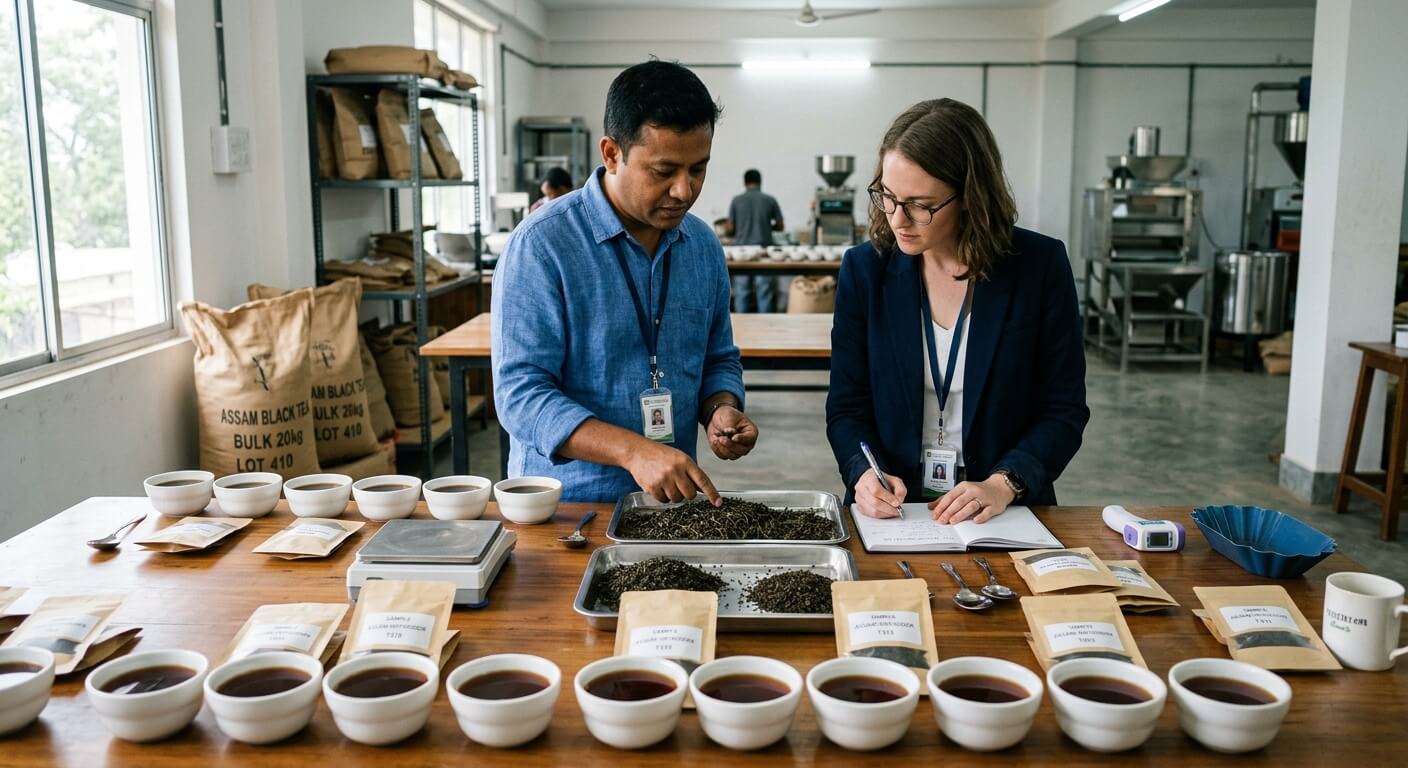
Tea dropshipping means you market and sell a branded tea product through your own website or social channels, while your supplier stores the inventory and packs and ships each order directly to your customer under your brand. You never hold stock, and you only pay for what actually sells — the tradeoff is a bit less control over fulfilment timing in exchange for zero inventory risk.
Table of Contents
Quick Answer: How Tea Dropshipping Works
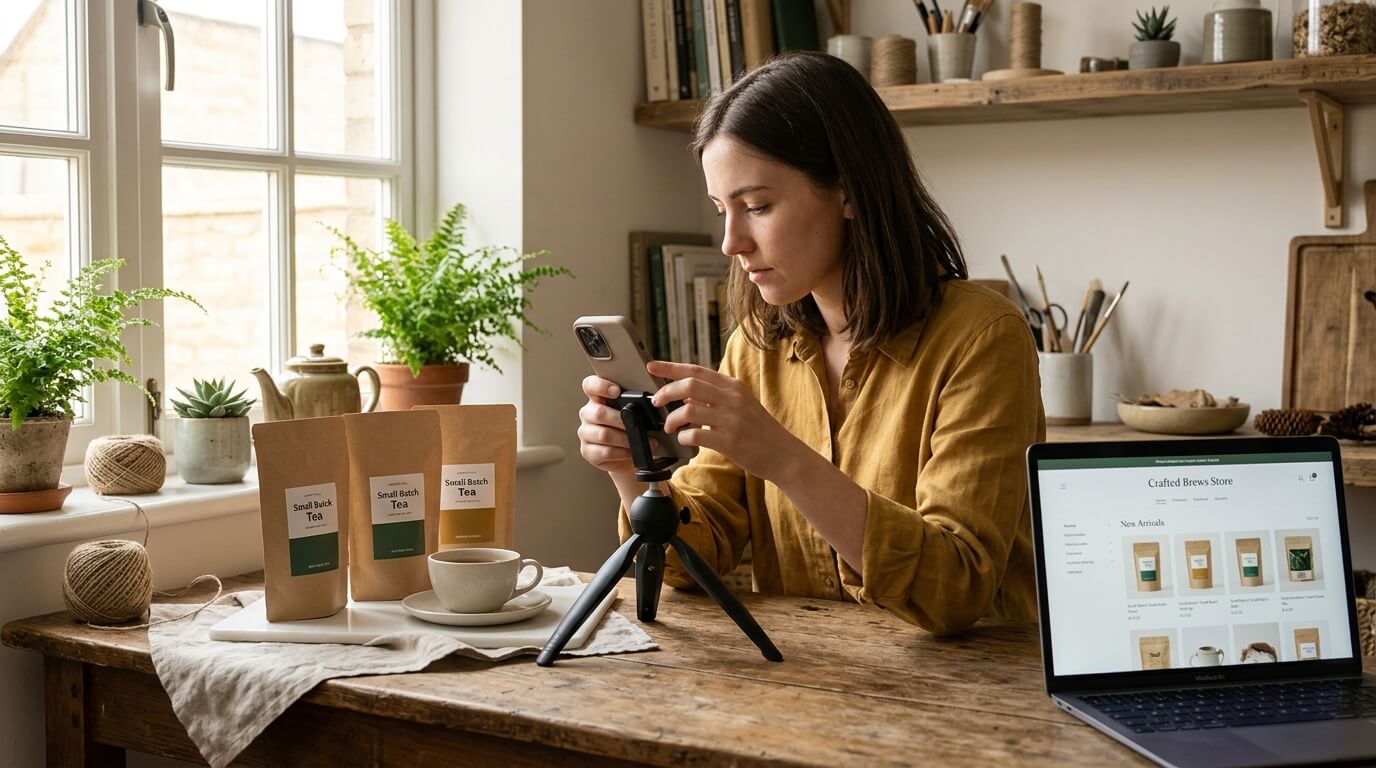
Here’s how tea dropshipping works: you market and sell a branded tea product through your own website or social channels, while your supplier stores the inventory and packs and ships each order directly to your customer under your brand. You never hold stock and only pay for what actually sells.
If you’re a creator or a founder testing a tea brand idea before committing capital to stock, here’s exactly how the mechanics work.
The 3-Step Process
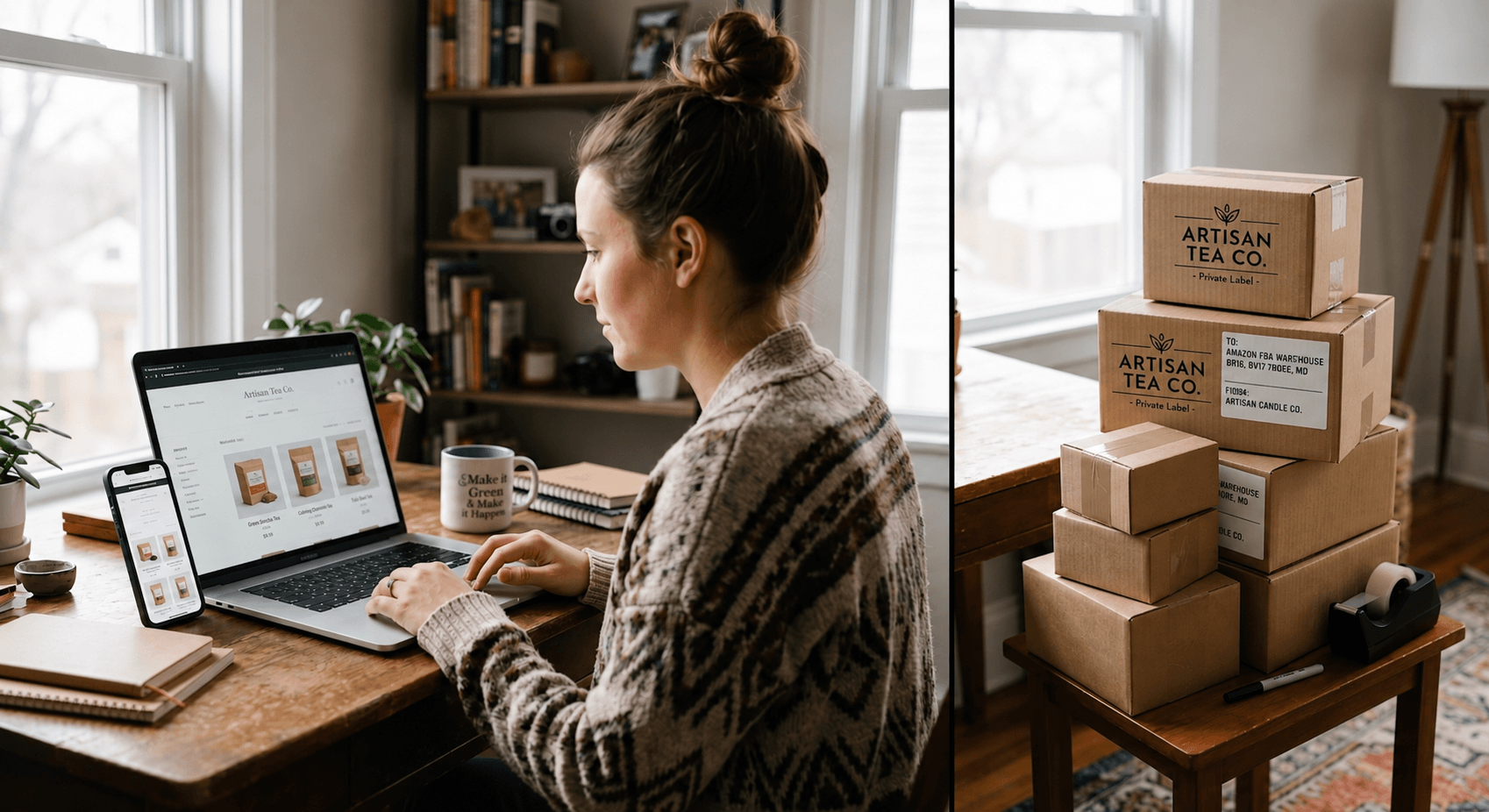
- You sell. You market and sell your branded tea line through your own website or social channels. It’s your brand, your audience, and your pricing — the supplier stays invisible to your customer.
- The order gets forwarded. When someone buys, the order details go straight to your supplier — no manual handling required on your end once the integration is set up.
- Your supplier picks, packs, and ships. The order goes out under your brand, with tracking information relayed to both you and your customer, so nobody’s left wondering where it is.
What “Branded” Actually Means Here
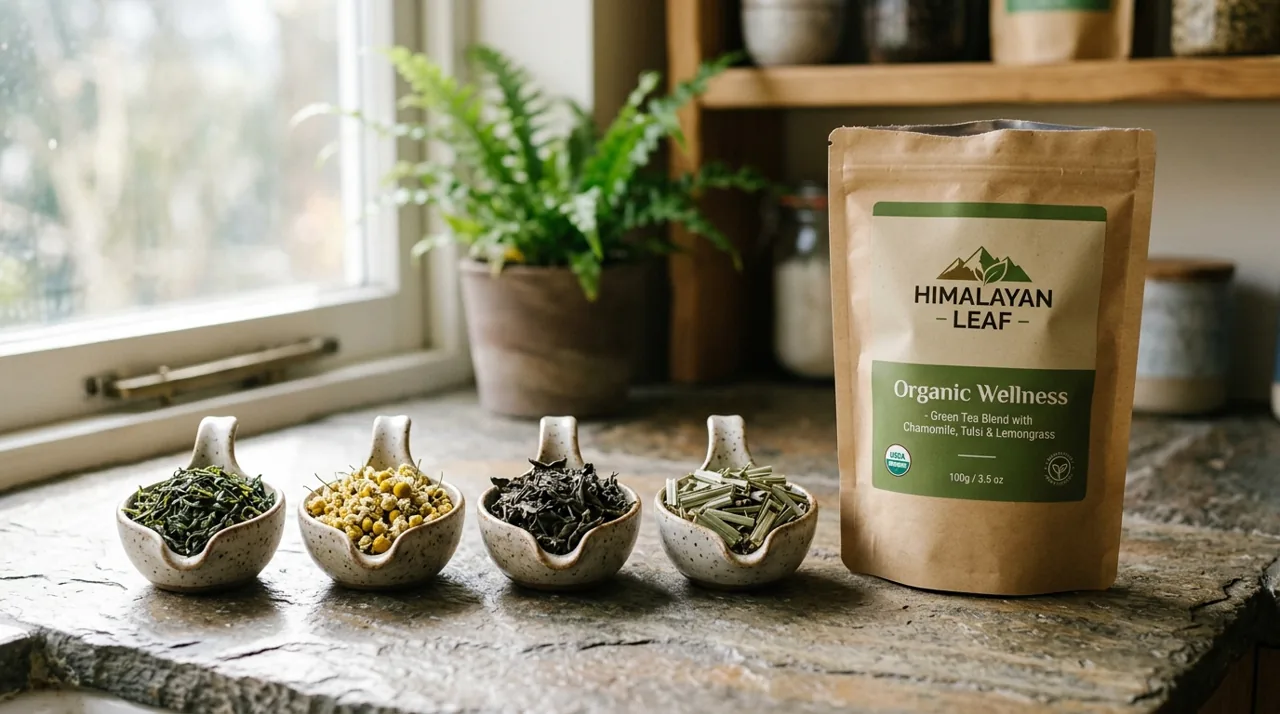
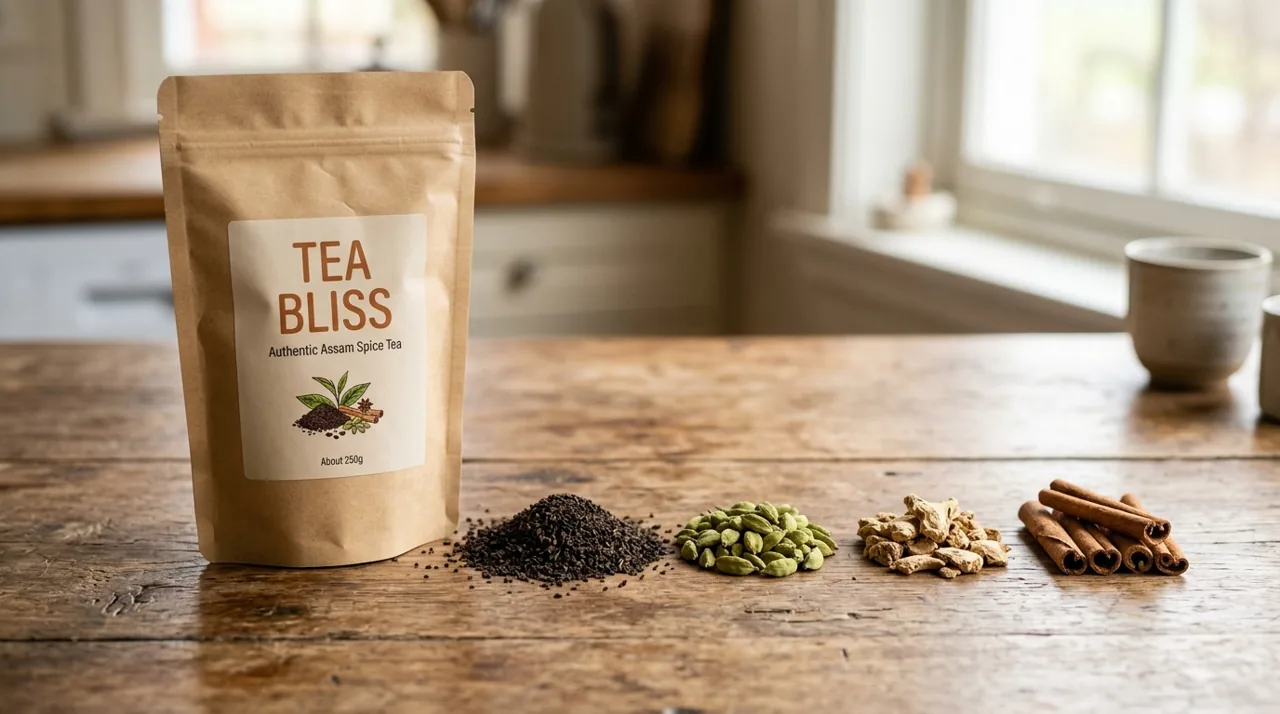
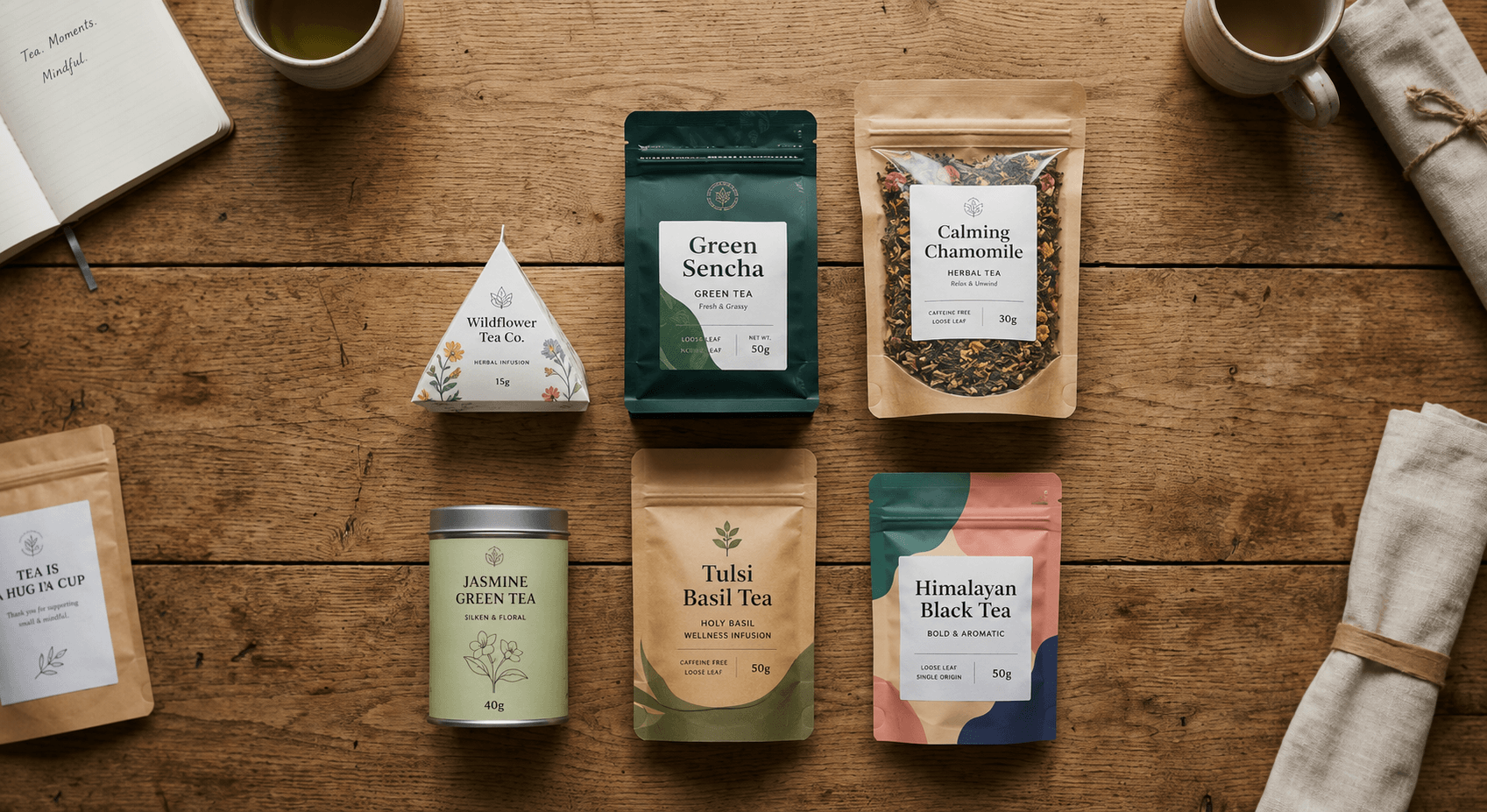
Tea dropshipping isn’t the same as generic drop-shipping models where every seller ships an identical, unbranded product from the same supplier. The packaging comes from a private label service — your name, your design, your look on the pouch or box. Your customer never knows a third party packed or shipped it. That distinction is what makes it possible to build an actual brand on top of the model, rather than just reselling a commodity.
Who This Actually Suits
- Creators going to product. Influencers and content creators ready to launch a branded tea line — you already understand your audience; dropshipping removes the operational barrier to turning that into a product.
- Lean & testing operators. Anyone who wants to validate demand for a tea brand idea before committing to holding stock. No prior business experience required — the model is built for first-timers.
Tea Dropshipping vs. Private Label — Which Should You Start With?
Both use the same branded packaging. The difference is who holds the stock.
- Dropshipping: Zero inventory risk, you pay only for what sells, lower commitment — the natural starting point if you’re still validating demand.
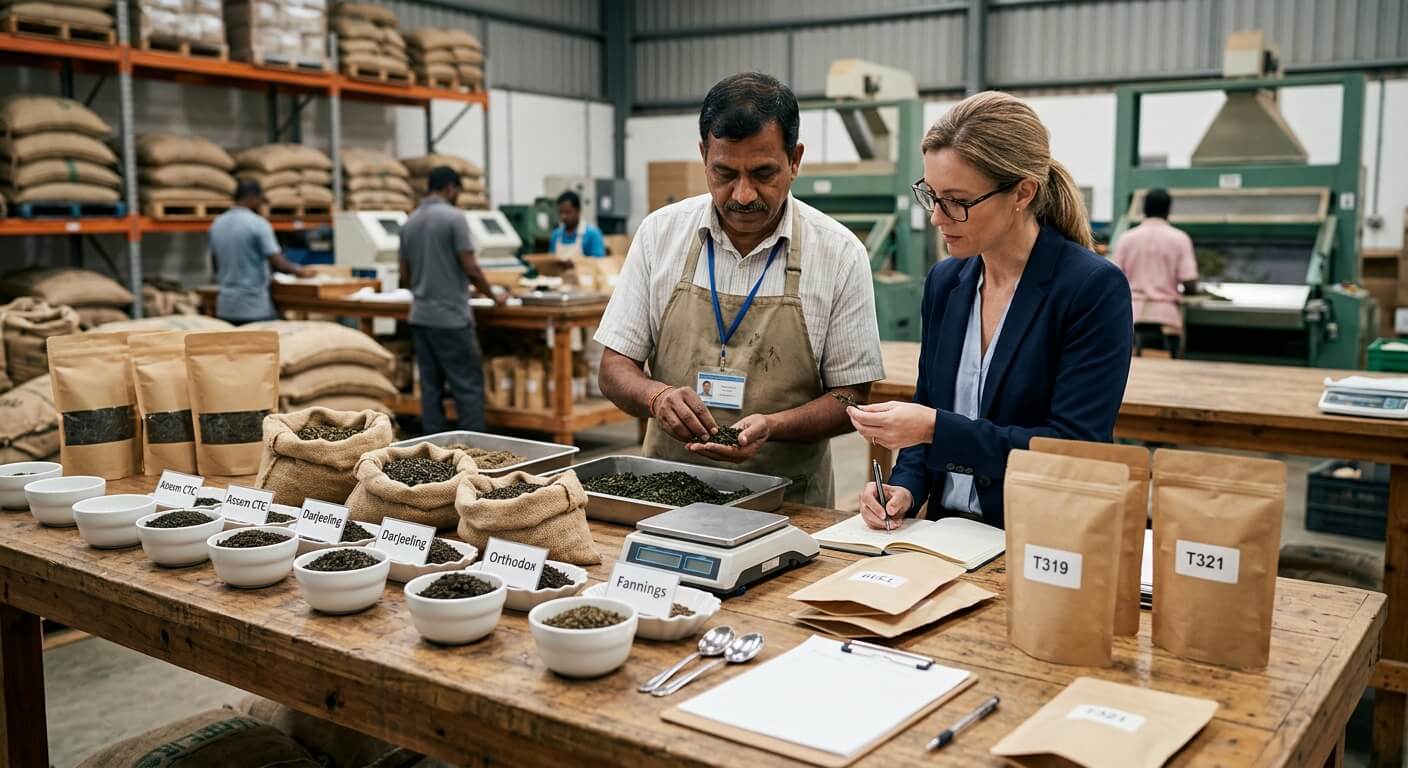
- Private label: You hold stock (MOQs from 10kg–50kg), which usually means better per-unit economics once you know the product sells and you’re ready to scale.
Most creators start with dropshipping and move to private label once they’ve proven their audience will actually buy — there’s no rule saying you have to pick one and stay there.
What You Need Before You Start
Three things, realistically: a brand name and packaging direction (even a simple one), a sales channel — your own website or an active social presence — and an order-forwarding setup so orders reach your supplier without manual work on your end. Everything else — sourcing, packing, and shipping — sits with your supplier.
See the Tea Board of India for industry background, and FSSAI for the labelling rules your branded packaging needs to meet.
Frequently Asked Questions
Do I need to buy any tea upfront?
No — that’s the core of the model. You don’t purchase or hold inventory; you pay only for orders that actually sell.
How fast does an order ship after a customer buys?
It depends on your supplier’s fulfilment process — ask this directly before you commit, since shipping speed affects your customer experience even though you’re not the one packing the box.
Can I move to holding my own stock later?
Yes. Many creators start with dropshipping specifically to test demand, then move to a private label arrangement once they’ve validated the brand and want better per-unit economics at volume.
Is there a minimum order to get started?
Dropshipping is designed to be the lowest-friction way in — there’s no stock-holding MOQ, since you’re not buying inventory upfront. Your supplier can confirm what’s needed to set up your branded packaging.
If you’re ready to see what a zero-inventory tea brand actually looks like, see how Ricwell’s tea dropshipping works.
Related Reading
- How to Start a Tea Brand With No Inventory
- Best Products to Dropship in the Tea Niche
- Dropshipping vs. Private Label Tea: Which Model Is Right for You?
Ready to Launch or Scale Your Tea Brand?
Ricwell handles direct Darjeeling garden sourcing, retail-ready blending, custom packaging, and FSSAI/export compliance under your own brand name from 5kg low MOQs.