India is the second-largest producer of tea globally, accounting for nearly 20% of the world’s total production. But behind every single cup consumed locally or exported abroad lies an incredibly intricate, time-sensitive logistics network.
Table of Contents
For bulk buyers, international brands, and private label retailers, navigating this network is critical. Understanding the operational ecosystem of an Indian tea manufacturing company helps ensure quality consistency, fair pricing, and reliable lead times.
Here is an insider look into how the Indian tea supply chain actually operates from the soil to the shipping container.
1. From Garden to Cup: The 5 Stages of Indian Tea Manufacturing

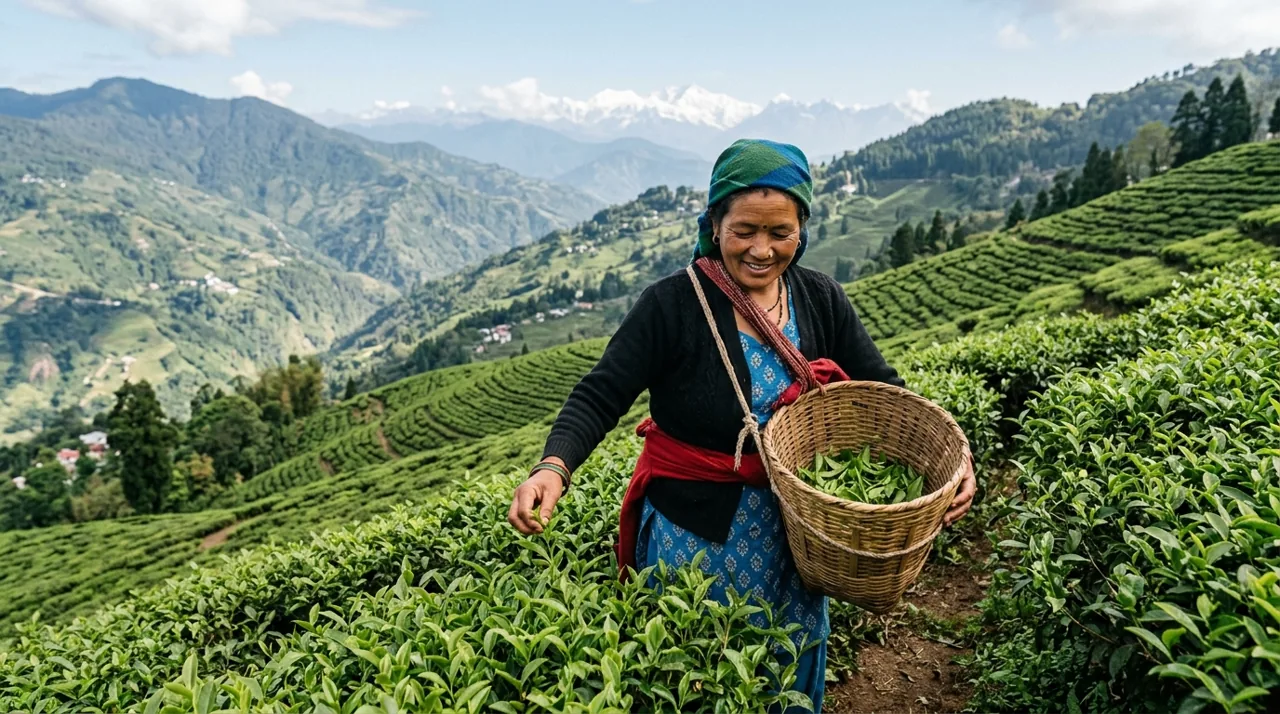
The supply chain begins in the tea gardens of regions like Assam, Darjeeling, and the Nilgiris. Because fresh tea leaves begin to ferment the moment they are plucked, the first leg of the supply chain is highly compressed—often requiring leaves to reach the factory within a few hours of plucking.
1.Plucking & Transportation:Hour 0 to 3.
Fresh leaves (“two leaves and a bud”) are harvested by hand or machine and immediately brought to the estate factory to prevent dynamic chemical degradation.
2.Withering:Hour 3 to 18.
Leaves are spread out on large troughs where air is blown through them. This removes 60-70% of the moisture content, making the leaves pliable for processing.
3.Processing (Rolling or Cutting):Hour 18 to 20.
The leaves are physically broken down to release their essential oils and enzymes. The factory line splits here depending on whether they are making Orthodox or CTC tea.
4.Oxidation (Fermentation):Hour 20 to 22.
The broken leaves are spread in a temperature- and humidity-controlled room. The enzymes react with oxygen, changing the leaves from green to a rich bright copper color, developing the tea’s flavor profile.
5.Drying & Sorting:Hour 22 to 24.
The tea passes through industrial dryers to halt oxidation and reduce remaining moisture to around 3%. Finally, vibrating screens sort the tea by grade and size before bulk packaging.
2. Orthodox vs. CTC Processing Lines
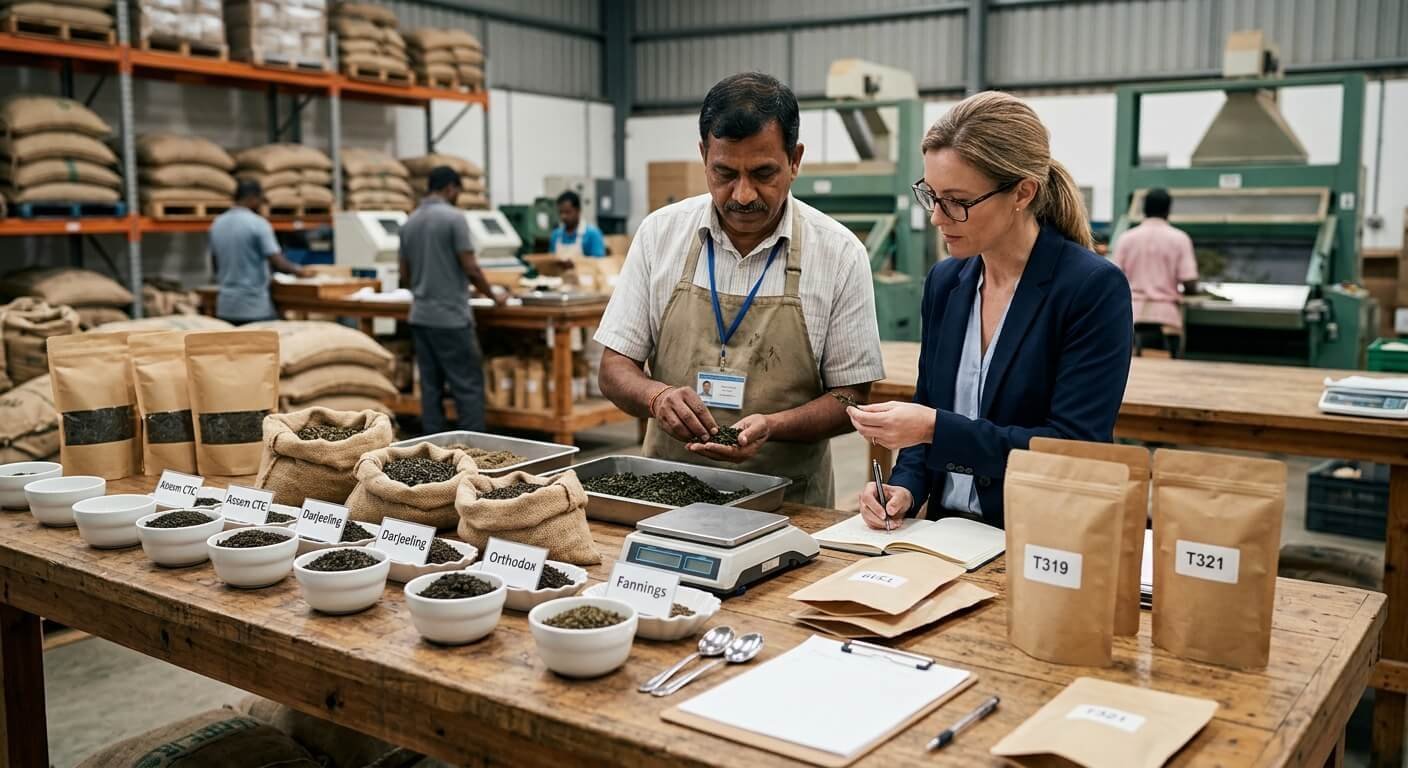
Every commercial tea manufacturing company structured for scale typically runs one of two processing lines. For B2B buyers, choosing the right line dictates the flavor profile, target market, and pricing strategy.
CTC (Crush, Tear, Curl) Processing
This line passes withered leaves through a series of cylindrical rollers with sharp teeth. The rollers literally crush, tear, and curl the leaves into tiny, uniform pellets.
- The Result: Strong, granular tea that infuses quickly.
- Primary Use: Mass-market tea bags, traditional Indian Chai blends, and everyday consumer brands.
Orthodox Processing
This traditional method mimics hand-rolling through heavy machinery that rolls and twists the leaves gently without shredding them.
- The Result: Whole or broken leaf styles that preserve delicate aromas, complex flavor notes, and clarity.
- Primary Use: Premium loose-leaf brands, specialty markets, and high-end exports.
3. Where Auctions Fit into the Supply Chain
Once the tea is packaged into bulk paper sacks (typically 25 to 35 kg), it enters the distribution phase. In India, a massive percentage of bulk tea moves through the public e-auction system managed by the Tea Board of India.
Main auction hubs include Kolkata, Guwahati, and Siliguri in the North, and Cochin, Coonoor, and Coimbatore in the South.
[Tea Estate Factory]
       │
       ▼
[Registered Warehouse] ➔ [Samples Sent to Brokers] ➔ [E-Auction Platform] ➔ [Winning Bidder / Buyer]
- Warehousing: The manufacturer ships bulk tea to a registered auction warehouse.
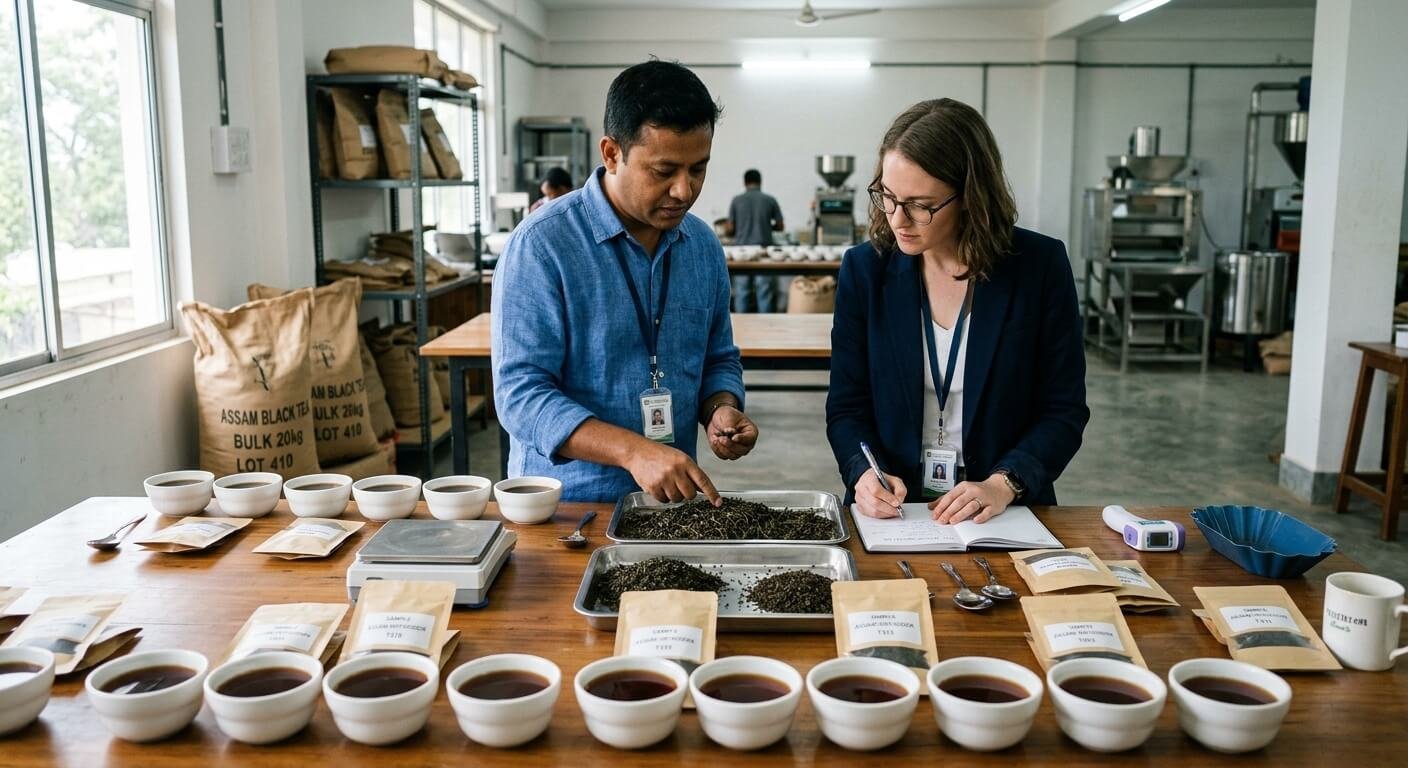
- Sampling & Valuation: Licensed brokers sample the batches, evaluate quality, publish a catalog, and set a base valuation.
- The Auction: Registered buyers bid digitally. The highest bidder wins the lot, pays the manufacturer, and clears the stock from the warehouse.
Note for B2B Buyers: While auctions offer transparency, many large scale enterprise buyers prefer “Private Sales” or direct sourcing from a dedicated tea manufacturing company to secure consistent year-round supply and locked-in pricing.
4. Manufacturer vs. Trader vs. Exporter — Who Does What?
The middle layers of the supply chain can be confusing. When sourcing bulk tea from India, you will interact with three main types of entities:
| Entity | Primary Role | Value Addition | Best For |
| Tea Manufacturing Company | Owns the estates or processes raw green leaf in factories. | Harvesting, primary processing, and bulk grading. | Massive volume sourcing, raw material consistency. |
| Tea Trader / Blender | Buys bulk lots from multiple factories or auctions. | Blending different grades to achieve custom taste profiles and price matching. | Private label brands needing specific flavor consistency across seasons. |
| Tea Exporter | Manages regulatory compliance, customs, and shipping. | Phytosanitary certifications, custom packaging, and ocean logistics. | International buyers unfamiliar with Indian customs laws. |
5. What This Means for B2B Buyers Choosing a Partner
If you are looking to secure a supply chain partner in India, standard sourcing metrics are not enough. Keep these sector-specific rules in mind:
- Sourcing Consistency: Tea is an agricultural product subject to seasonal changes (e.g., First Flush vs. Second Flush in Assam). Ensure your partner has the warehouse capacity or multi-estate access to maintain consistency.
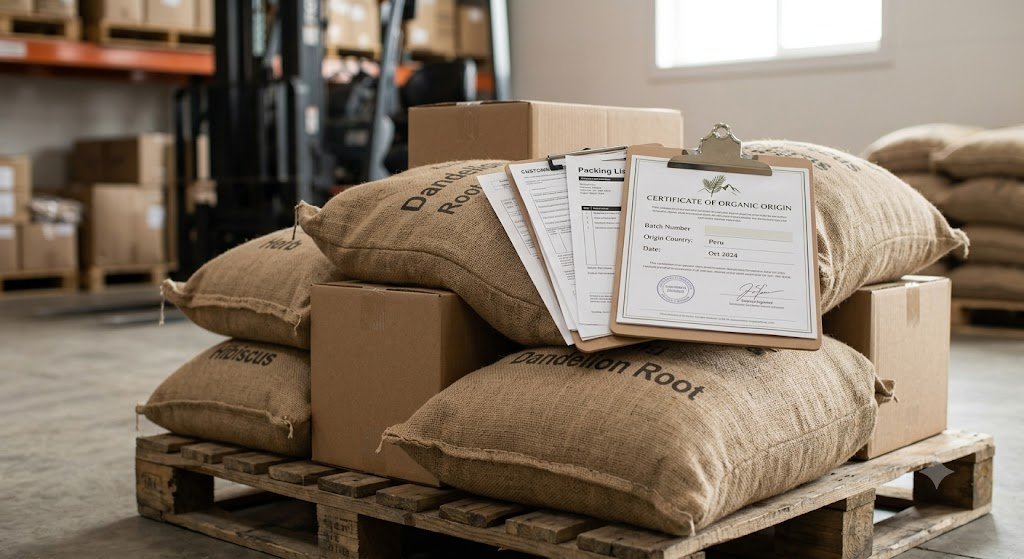
- Traceability & Certifications: International markets require strict compliance. Ensure the factory holds relevant certifications such as Rainforest Alliance, ISO 22000, HACCP, or organic validations (USDA/EU).
- Blending Capabilities: If you want a ready-to-sell retail product, partner with a manufacturer that has an in-house blending and tasting division to ensure your signature flavor profile doesn’t shift between shipments.
6. FAQ
1. Can an international buyer purchase directly from a tea manufacturing company without using auctions?
Yes. Direct factory contracts (Private Sales) are highly common and legal in India. They allow buyers to secure specific lots before they ever hit the public auction catalogs.
2. What is the shelf life of bulk-packed Indian tea in the supply chain?
When stored in multi-walled paper sacks with aluminum linings away from moisture and light, bulk tea retains its peak flavor profile for 12 to 18 months.
3. How long does it take for tea to transition from plucking to export-ready?
The actual manufacturing process takes under 24 hours. However, factoring in warehouse transit, broker sampling, auction clearing, or private contract packaging, it typically takes 3 to 6 weeks for tea to be ready for port loading.
Ready to Launch or Scale Your Tea Brand?
Ricwell handles direct Darjeeling garden sourcing, retail-ready blending, custom packaging, and FSSAI/export compliance under your own brand name from 5kg low MOQs.