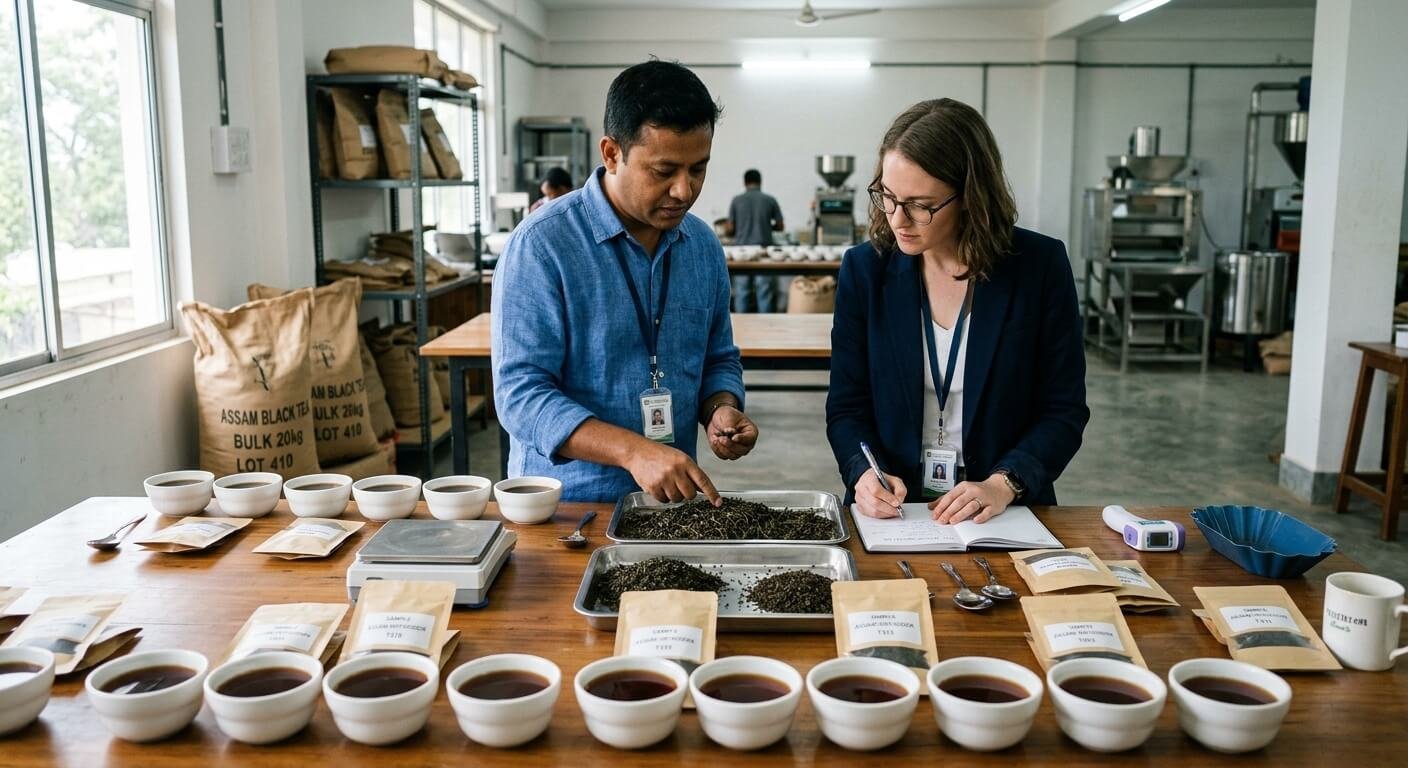
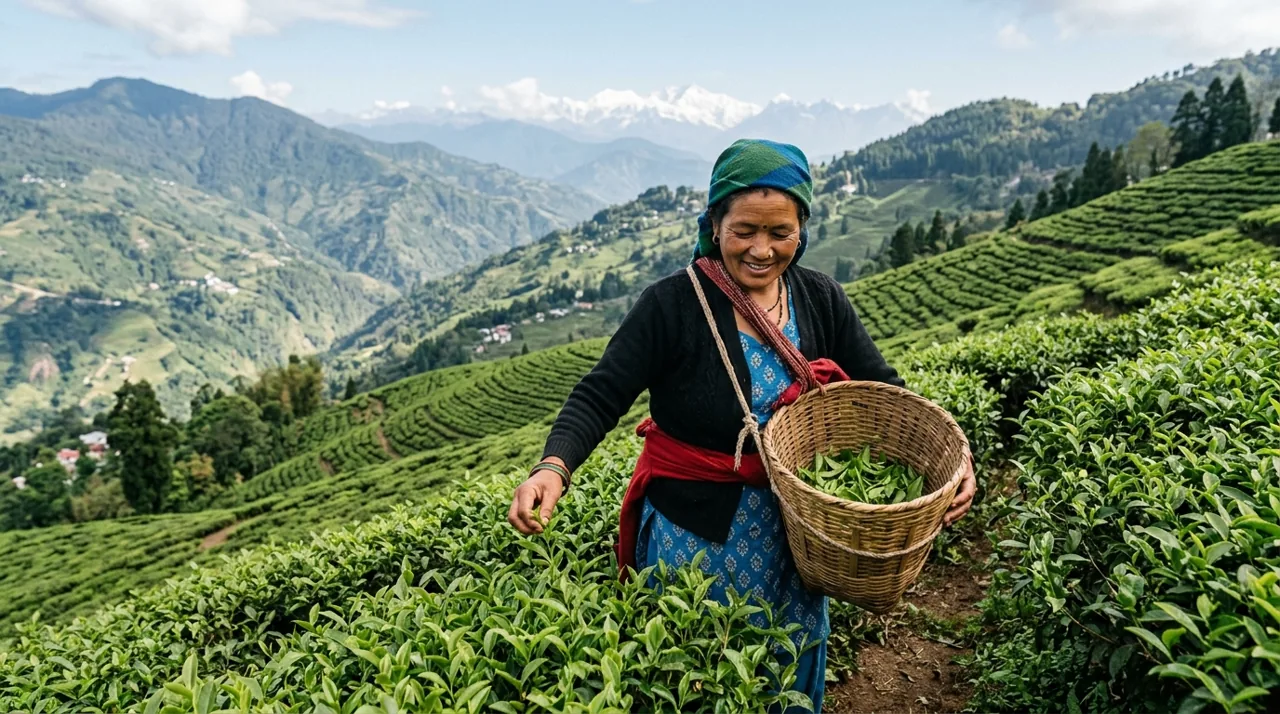
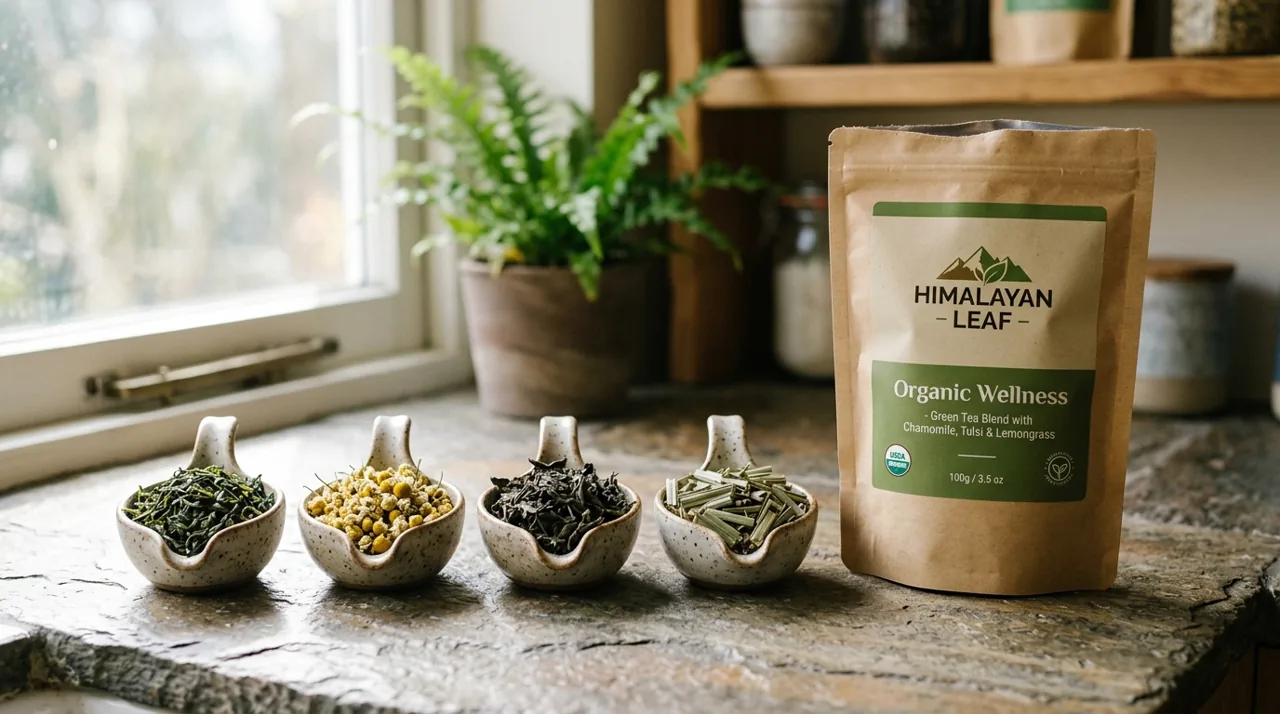
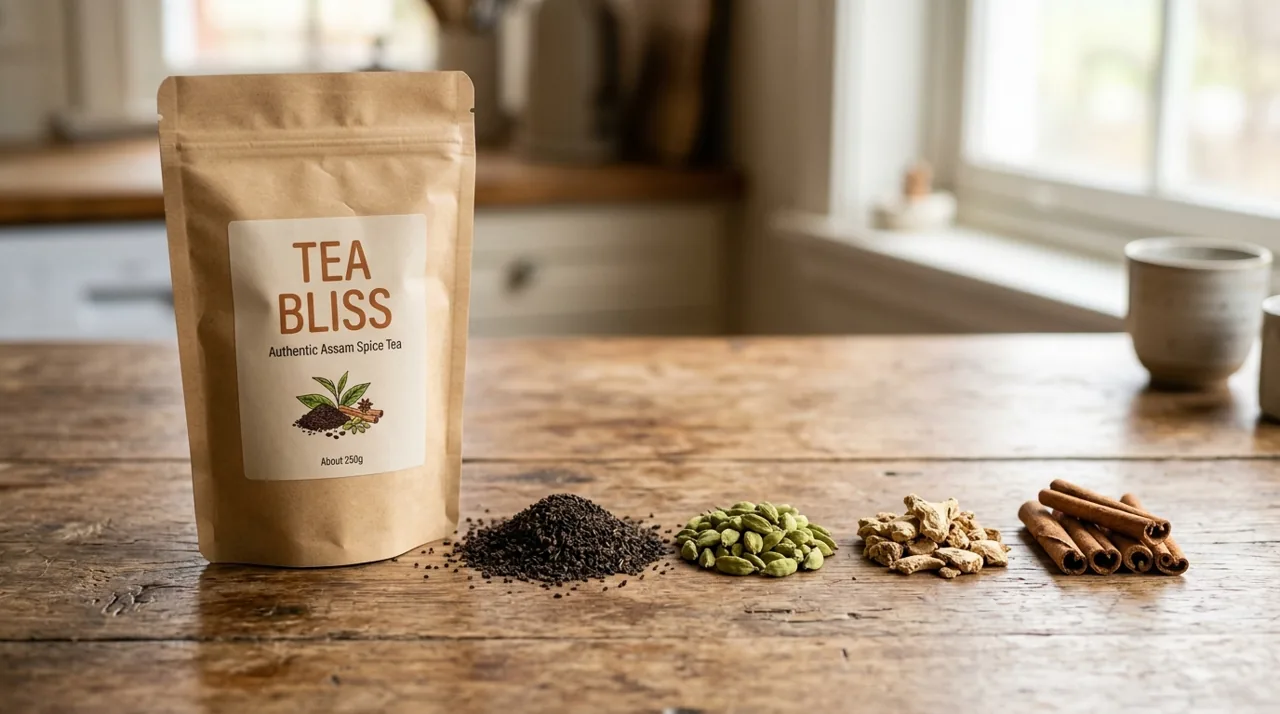
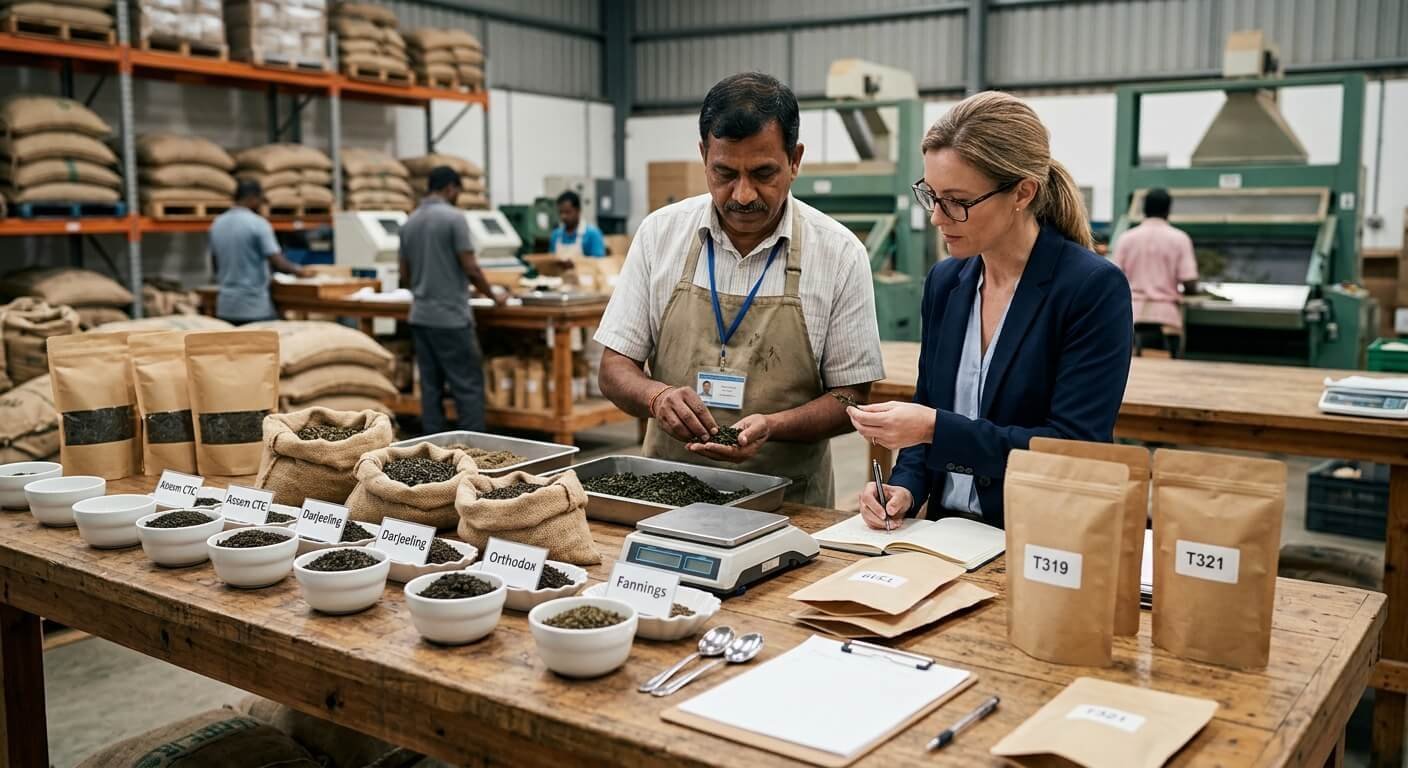
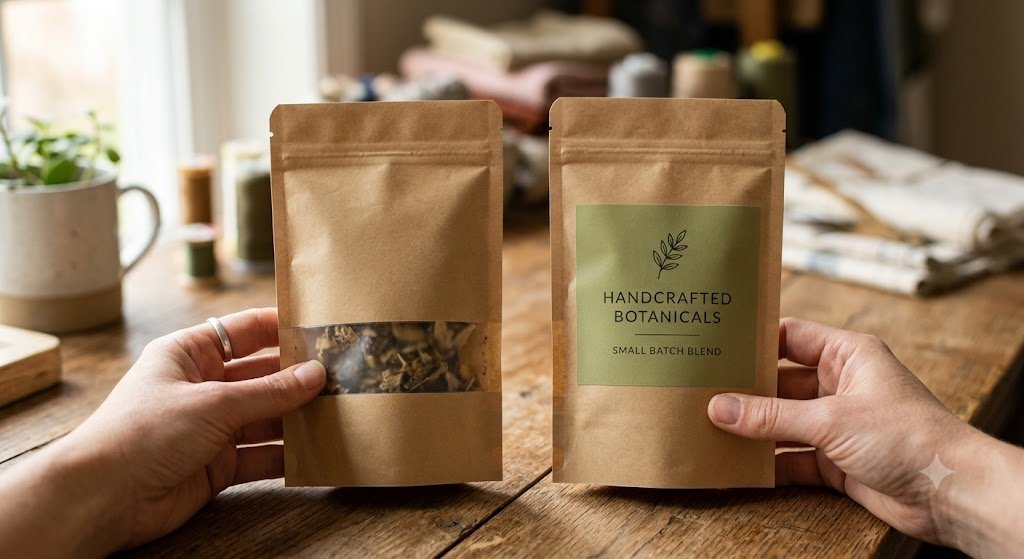
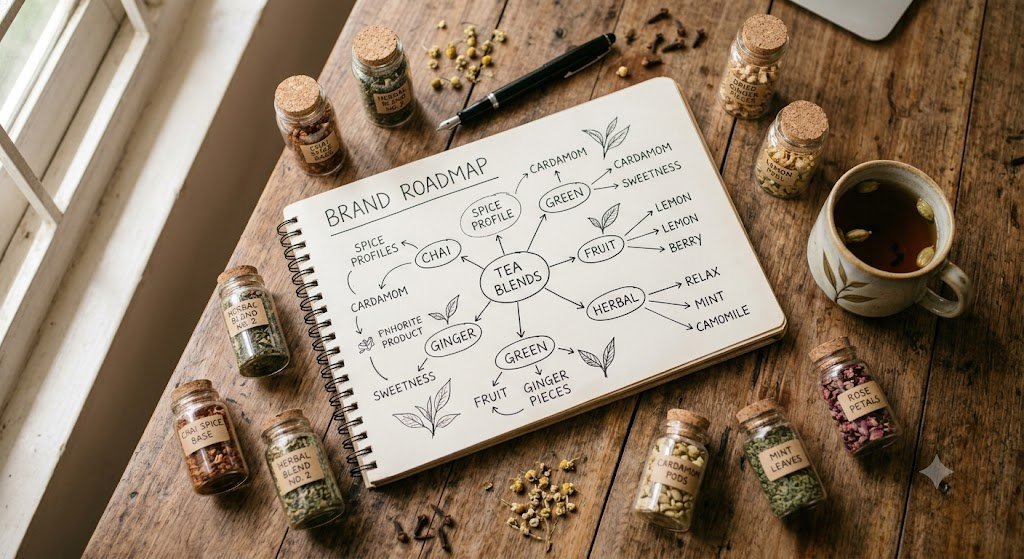
Understanding the grading differences between orthodox vs CTC tea is crucial, as tea grading classifies leaf by size and processing method, not by quality — a common misconception among first-time buyers. Orthodox tea is rolled and shaped to keep leaf structure intact, graded on scales like whole-leaf, broken, fannings, and dust. CTC (Crush, Tear, Curl) tea is machine-processed into small, uniform pellets, graded mainly by particle size. The right grade depends on end use: whole-leaf Orthodox for slow, delicate infusion; CTC for fast, strong infusion in bags or milk tea.
Table of Contents

Quick Answer: Tea Grading Orthodox CTC
Tea grading orthodox CTC classification comes down to leaf size and processing method, not quality. Orthodox tea is rolled and shaped to keep leaf structure intact, graded on scales like whole-leaf, broken, and fannings, while CTC (Crush, Tear, Curl) tea is machine-processed into small, uniform pellets and graded mainly by particle size.
Orthodox Grading Scale
Orthodox tea is graded by leaf size and the proportion of golden tips (young leaf buds), from largest, most intact leaf down to the smallest particles:
| Grade | Meaning | Typical Use |
|---|---|---|
| FTGFOP / SFTGFOP | Finest Tippy Golden Flowery Orange Pekoe — highest whole-leaf grade, high tip content | Premium single-origin, specialty retail |
| TGFOP | Tippy Golden Flowery Orange Pekoe | Premium whole-leaf blends |
| FOP / OP | Flowery Orange Pekoe / Orange Pekoe — whole leaf, fewer tips | Standard whole-leaf retail |
| BOP | Broken Orange Pekoe — broken leaf, faster infusion | Everyday loose leaf, some tea bags |
| Fannings | Small leaf particles | Standard tea bags |
| Dust | Finest particles | Fast-brewing bags, instant tea bases |
Contrary to what the names suggest, “Orange Pekoe” is not a flavor or citrus reference — it’s a historical grading term describing leaf size and style.
CTC Grading Scale
CTC processing crushes, tears, and curls the leaf into small, dense granules designed for quick, strong infusion. Grading is simpler than Orthodox, based mainly on particle size:
| Grade | Particle Size | Typical Use |
|---|---|---|
| BP (Broken Pekoe) | Larger granules | Strong loose-leaf blends |
| PF (Pekoe Fannings) | Medium granules | Standard tea bags |
| PD (Pekoe Dust) | Fine granules | Fast-brewing bags, chai |
| D (Dust) | Finest granules | Instant tea, high-speed bagging |
Orthodox vs. CTC: Which to Choose
- Orthodox suits brands built around origin story, whole-leaf presentation, and slower, more nuanced infusion — typically Darjeeling and premium Assam or Nilgiri lines.
- CTC suits brands prioritizing consistency, infusion speed, and strength at volume — standard for mass-market bagged tea and milk tea formats.
- Grade within each method should match packaging format — whole-leaf grades need loose-leaf or pyramid bag formats to perform properly; dust and fannings grades are built for flat tea bags.
Why Grading Matters for Sourcing
Grade determines infusion time, strength, and appearance in the cup — mismatching grade to packaging format is a common private label mistake, such as putting a whole-leaf FOP grade into a flat tea bag where it won’t infuse properly in the standard steep time. Confirming grade against intended packaging and use case before finalizing an order prevents this.
See CTC processing (Wikipedia) for the technical background, and the Tea Board of India for official grading standards.
Frequently Asked Questions
Does a higher grade always mean better quality?
Not necessarily — grade describes leaf size and style, not inherent quality. A well-made CTC dust for tea bags can be higher quality within its category than a poorly processed whole-leaf grade. Match grade to end use rather than assuming higher on the scale means better.
Can Orthodox and CTC teas be blended?
It’s uncommon, since the two have different infusion rates and would brew unevenly together. Blending typically happens within one processing method, combining different origins or grades of the same style.
What grade is best for a pyramid tea bag format?
Pyramid bags have more internal space than flat bags, so they can accommodate whole-leaf or broken-leaf Orthodox grades that wouldn’t infuse well in a standard flat bag — confirm with your packaging supplier based on the specific grade.
To get grading matched to your packaging format and target market, talk to Ricwell about wholesale and bulk tea sourcing.
Related Reading
Ready to Launch or Scale Your Tea Brand?
Ricwell handles direct Darjeeling garden sourcing, retail-ready blending, custom packaging, and FSSAI/export compliance under your own brand name from 5kg low MOQs.