Maximum Residue Limits (MRL) are the legal ceilings on pesticide residue allowed in tea sold within a given market, set independently by each destination country or region and revised periodically. Because limits vary by market and change over time, importers should confirm current MRL requirements directly with their customs broker or the destination country’s food safety authority for each shipment, rather than relying on a fixed number — a limit that was accurate last year may not be accurate today.
Table of Contents
Quick Answer: What Tea MRL Compliance Means
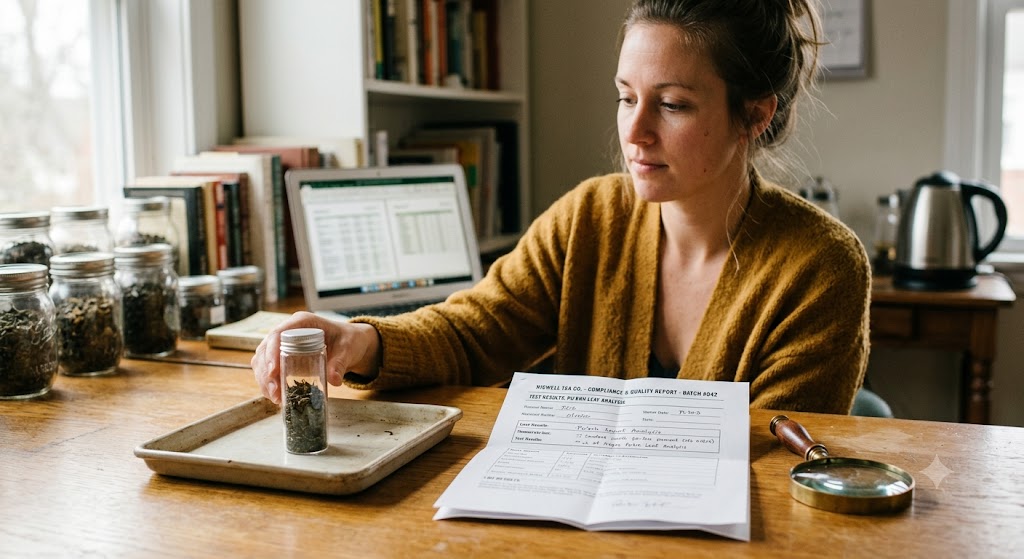
Tea MRL compliance means staying under the legal ceilings on pesticide residue set independently by each destination market, and revised periodically. Because limits vary by country and change over time, importers should confirm current MRL requirements directly with their customs broker or the destination market’s food safety authority before shipping.
Why MRLs Vary by Market
The US, EU, UK, and Canada each maintain their own MRL schedules, set by their respective food safety agencies, and these schedules are reviewed and updated on an ongoing basis. A shipment compliant for one market is not automatically compliant for another — EU limits, for instance, are generally regarded as among the strictest globally, and a batch cleared for a less stringent market may not clear EU customs without separate verification.
How Compliance Gets Verified
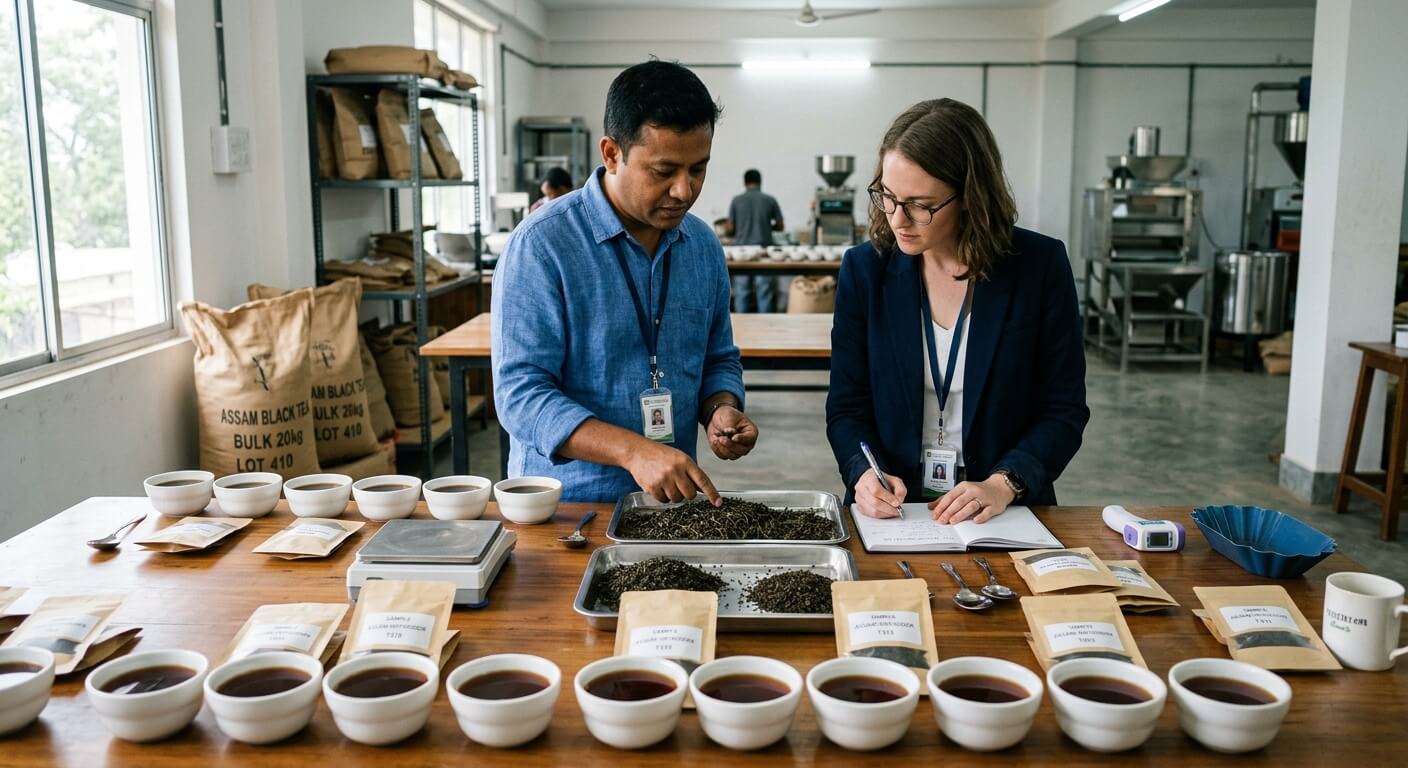
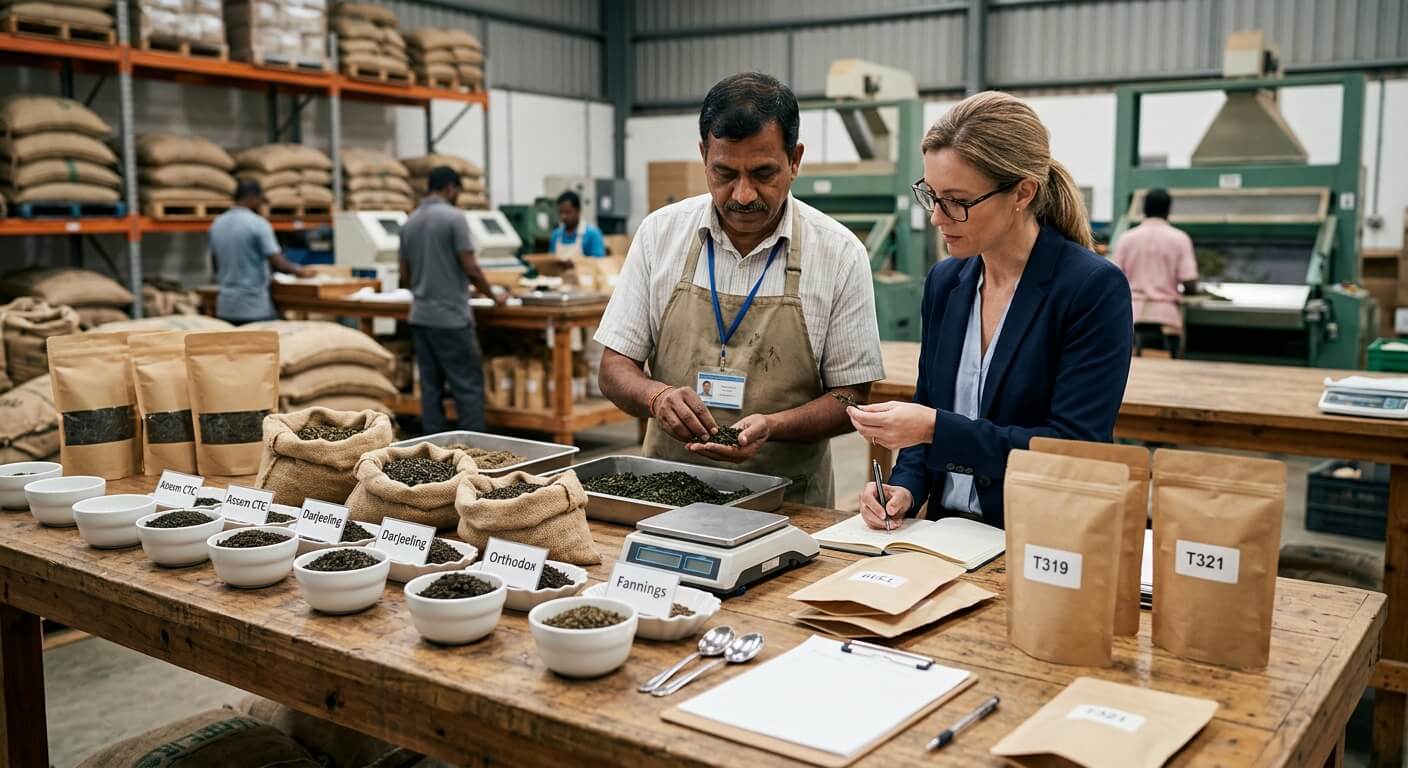
- Batch-level lab testing. A representative sample from the specific batch being shipped — not a general supplier certification — goes to a third-party lab such as Eurofins or SGS for residue analysis.
- Comparison against destination-market limits. The lab result is checked against the MRL schedule for the specific country the shipment is heading to, since limits differ by market as above.
- Documentation issued. A lab report confirming the batch’s residue levels is prepared to accompany the shipment’s export documentation.
- Broker verification. The importer’s customs broker cross-checks the lab report against current destination-market requirements before the shipment clears — this is the final check, and the one that matters most since broker guidance reflects the most current regulatory position.
What Buyers Should Ask Suppliers
- Is residue testing done per batch, or only periodically across the supplier’s catalogue? Per-batch testing is the higher standard, since residue levels can vary lot to lot.
- Which lab performs the testing, and is it an internationally recognised, accredited lab?
- How recent is the lab report relative to the shipment date? A report tied to the actual batch being shipped is more reliable than a general or outdated certification.
- Can the supplier provide the full lab report, not just a pass/fail summary, for the buyer’s own compliance records?
A Note on Relying on Published Limits
Specific MRL figures are not included here deliberately — they change by market and by pesticide compound, and a number published today can be revised before your next shipment. The reliable approach is to treat MRL compliance as a per-shipment verification step handled by your customs broker and lab partner, not a fixed reference number to check once and reuse indefinitely.
Check current limits with the European Commission’s food safety portal for EU-bound shipments, and FSSAI for Indian domestic standards.
Frequently Asked Questions
Who is responsible for MRL compliance — the exporter or the importer?
Both share responsibility in practice. A reputable exporter provides batch-level lab testing and documentation; the importer’s customs broker verifies that documentation against the destination market’s current requirements before the shipment clears.
Does organic-certified tea automatically meet MRL requirements?
Organic certification addresses farming inputs, not necessarily residue from prior land use, drift, or processing — it does not replace per-batch lab testing for MRL compliance. Confirm testing separately even for certified-organic lots.
How often do MRL limits change?
It varies by market and compound, and can happen with limited advance notice — which is why checking with your customs broker close to each shipment date, rather than relying on a limit checked months earlier, is the safer approach.
For batch-tested wholesale and bulk tea with full lab documentation, see Ricwell’s wholesale and bulk tea supply, or read our guide to importing tea from India.
Related Reading
Ready to Launch or Scale Your Tea Brand?
Ricwell handles direct Darjeeling garden sourcing, retail-ready blending, custom packaging, and FSSAI/export compliance under your own brand name from 5kg low MOQs.