The best tea products to dropship are ones with a clear niche audience, room for distinct branding, and packaging your supplier can produce without a high minimum order — herbal wellness blends, single-origin specialty teas, and spiced chai blends are the strongest starting categories, since each supports a focused brand story rather than competing as a generic commodity tea.
Table of Contents
Quick Answer: Best Tea Products to Dropship

The best tea products to dropship are ones with a clear niche audience, room for distinct branding, and packaging your supplier can produce without a high minimum order. Herbal wellness blends, single-origin specialty teas, and spiced chai blends are the strongest starting categories, since each supports a focused brand story.
Herbal & Caffeine-Free Blends
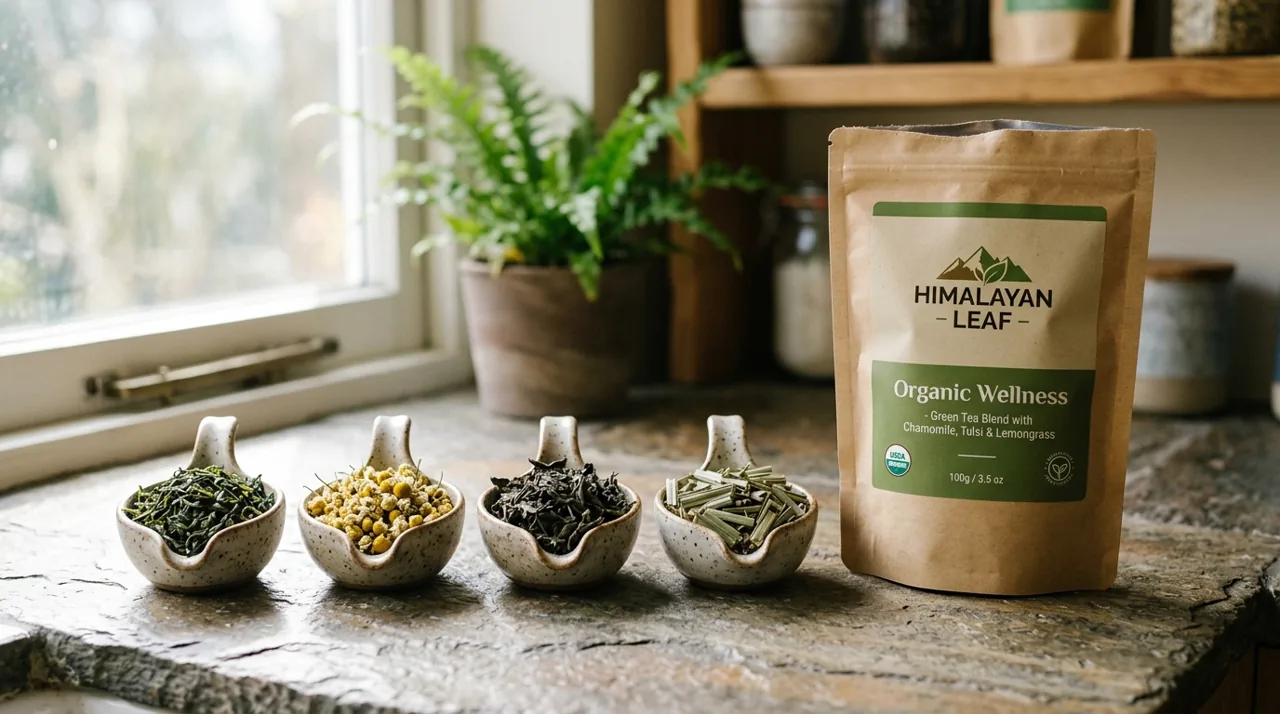
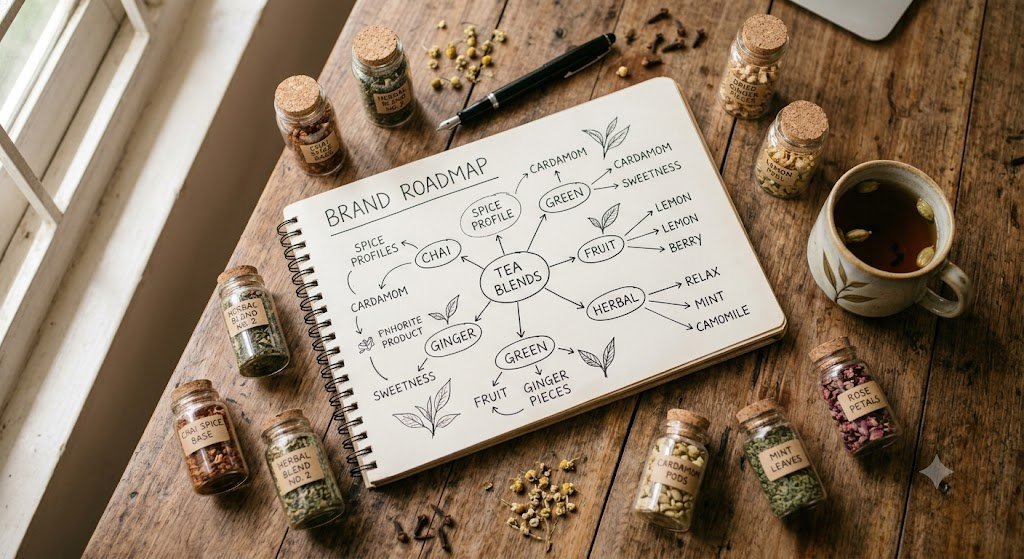
Chamomile, tulsi, ginger, and mint-based blends appeal to a wellness-minded audience looking for caffeine-free options. These work well for niche branding around relaxation, evening routines, or general wellbeing — keep any product description grounded in traditional use of the ingredient rather than promising a specific health outcome, since that keeps you on the right side of advertising and labeling rules in most markets.
Single-Origin Specialty Tea
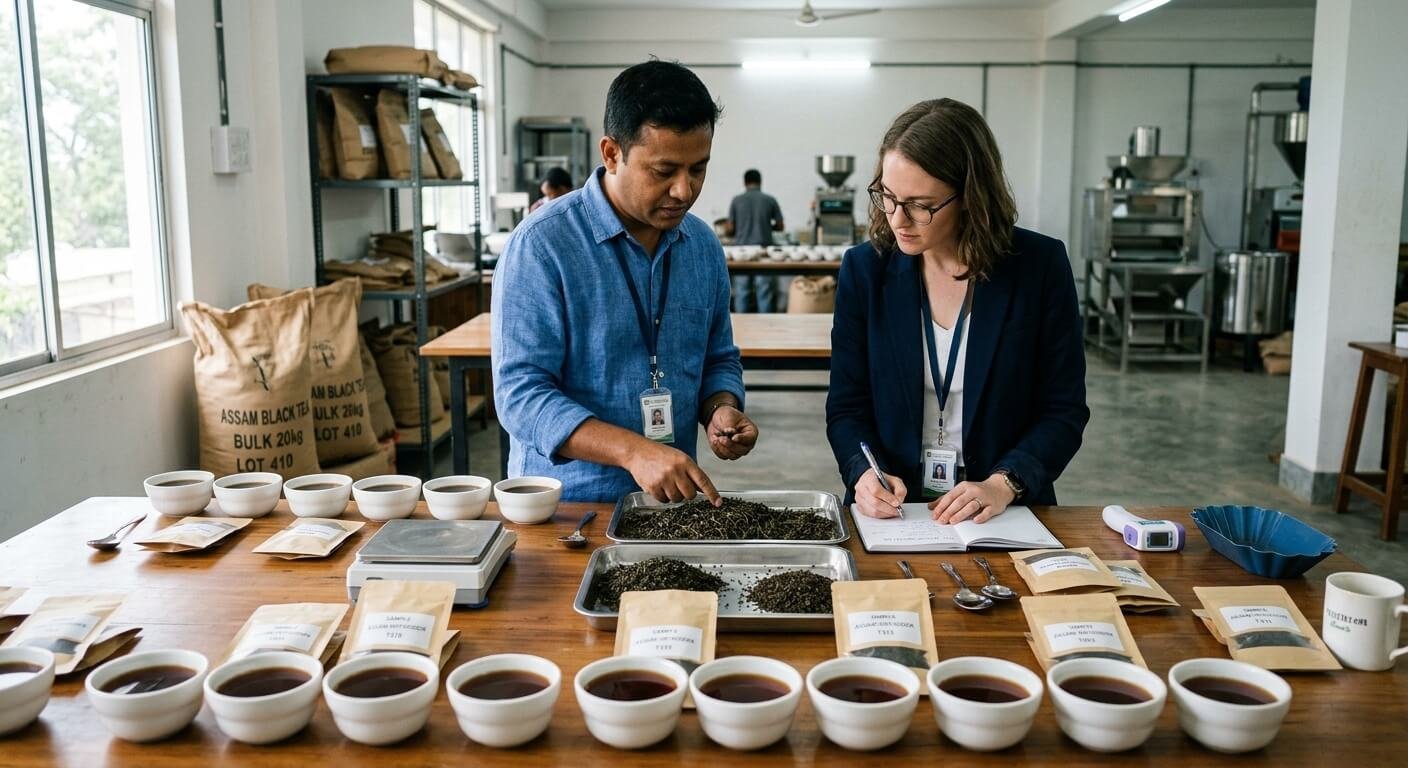
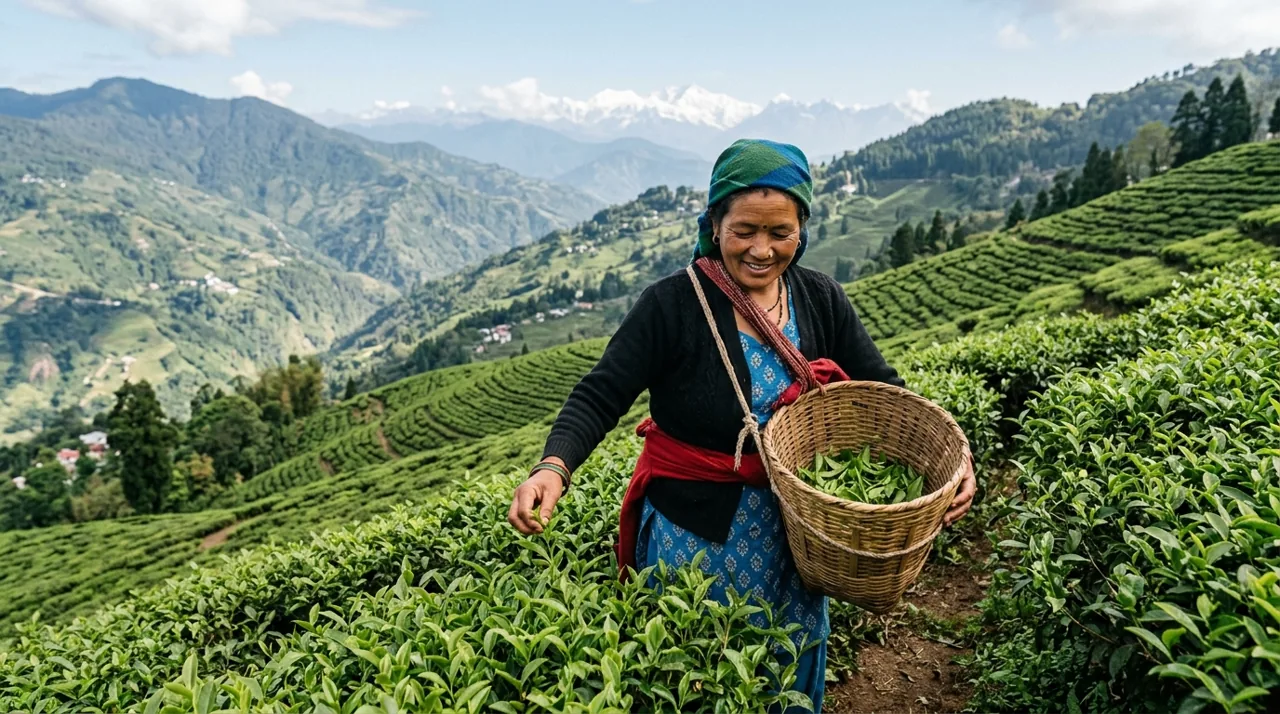
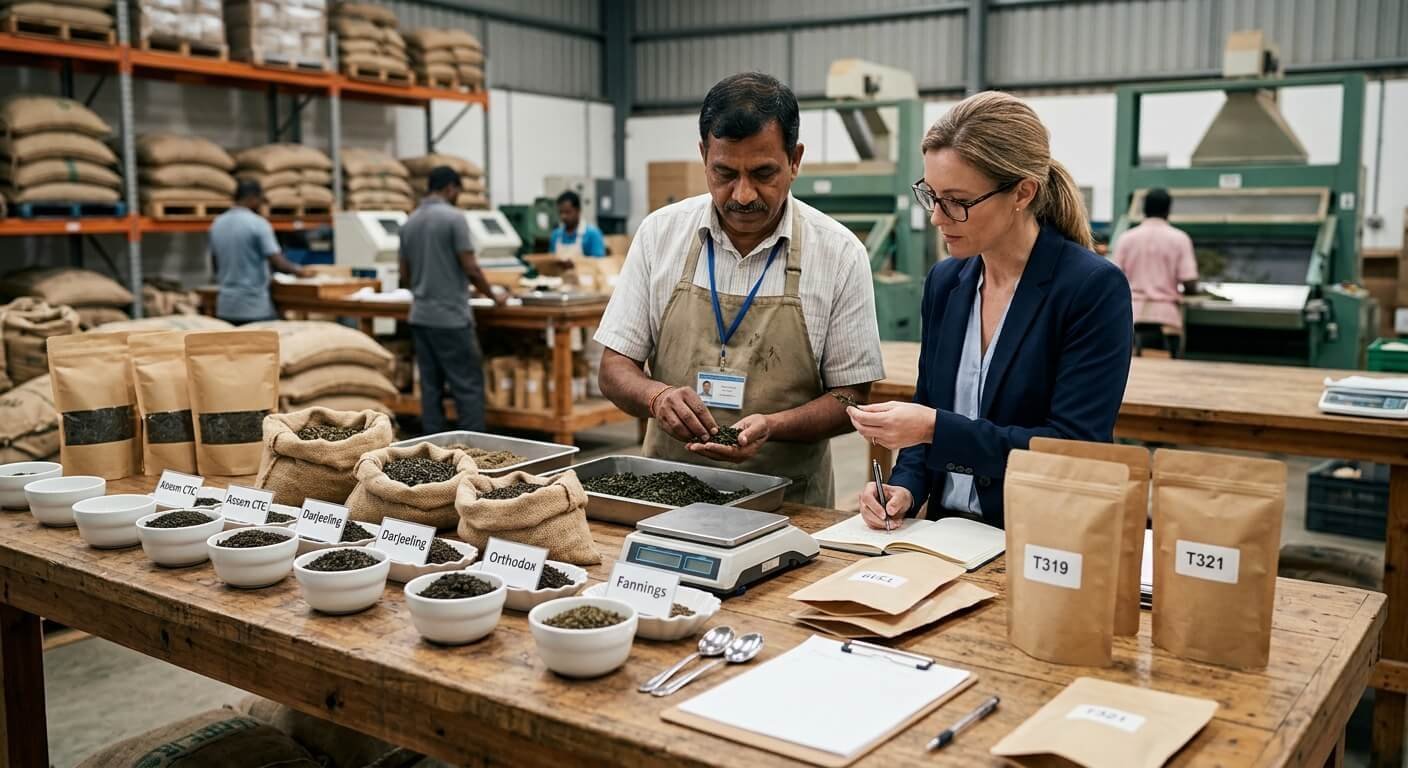
Darjeeling, Assam, and Nilgiri teas sold as distinct single-origin products appeal to a more discerning customer, often one already engaged with specialty coffee culture. This category leans on origin story and quality positioning rather than health claims, which makes it a straightforward, lower-risk niche to market.
Chai & Spiced Blends
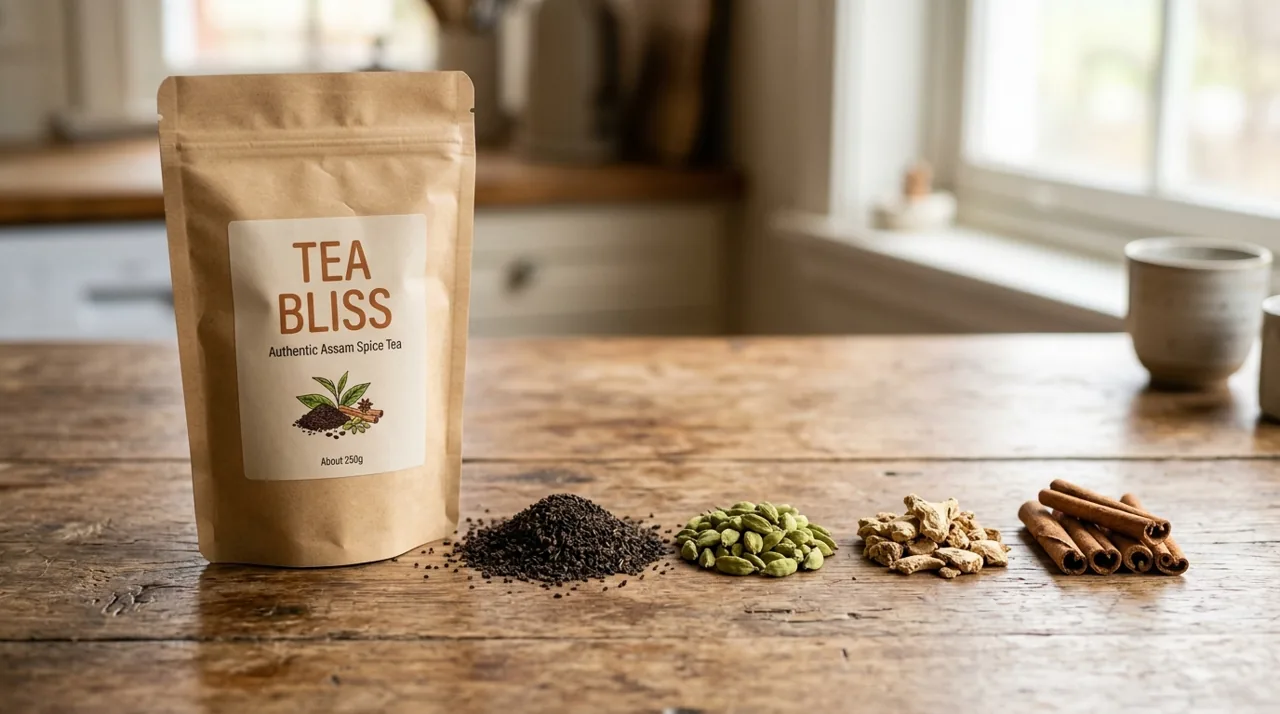
Masala chai and spiced tea blends have broad, established demand and translate well into a branded product line — particularly for a lifestyle or food-and-beverage-focused audience. This category also has natural product-line extension potential (chai concentrate, chai-spiced accessories) if the core product performs.
Matcha & Green Tea
Matcha in particular has sustained demand in the wellness and lifestyle space, and works well for visually driven marketing (color, ritual, presentation). Confirm with your supplier what matcha grades and formats — powder, pre-portioned sachets — they can actually produce at your target order volume, since matcha sourcing and grading works differently from leaf tea.
Gifting Sets & Sampler Boxes
A curated set of 3-5 teas in branded packaging works well as a gifting product, particularly around seasonal periods. This is a good way to introduce a wider range of your catalogue to a customer without asking them to commit to a full-size product of something they haven’t tried.
What to Avoid Starting With
- Generic “everyday” black or green tea with no positioning — this competes directly with established mass-market brands on price alone, which is a hard place to start.
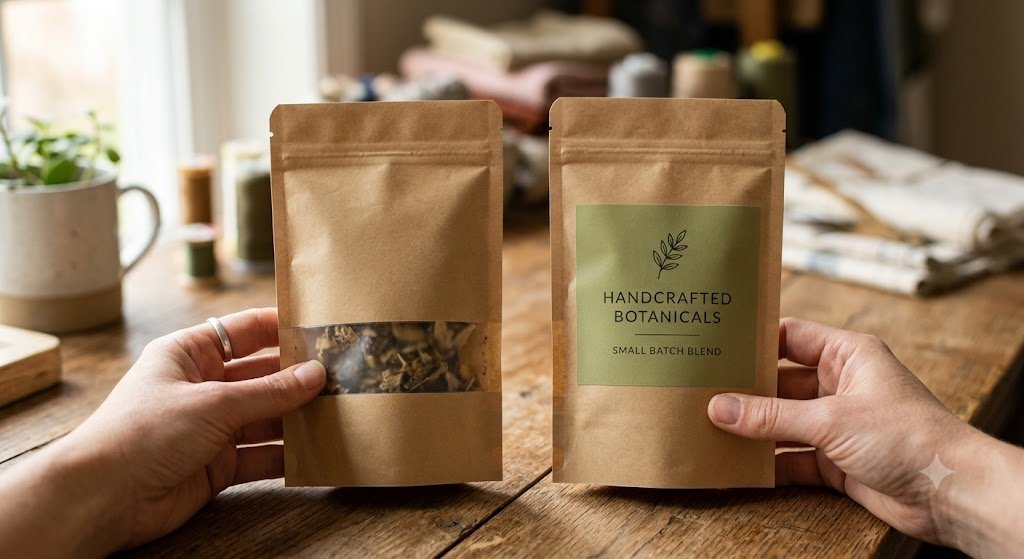
- Products your supplier can’t produce at your order volume — confirm packaging formats and minimums before building a product line around something that isn’t actually available to you yet.
- Health-outcome claims on any wellness product — describe traditional use of the ingredient, not promised results; this protects your brand from compliance issues as it grows.
How to Choose Your Starting Lineup
Pick 3-6 products that share a coherent niche — all wellness-focused, or all specialty single-origin, rather than a scattered mix. A focused first collection is easier to market with one consistent brand story, and easier to expand once you know which products are actually selling.
See the Tea Board of India for category trends, and FSSAI for the labelling rules your dropship packaging needs to meet.
Frequently Asked Questions
Which tea category has the highest margin for dropshipping?
Margin depends more on your pricing and branding than the category itself — specialty and wellness-positioned teas generally support higher retail pricing than generic commodity tea, but confirm actual per-unit costs with your supplier before setting margin expectations.
Should I start with one product or a full collection?
A small, focused starting lineup (3-6 SKUs) is generally easier to launch and market than a large catalogue — you can expand based on what actually sells once you have real order data.
Can I request a custom blend that isn’t in a standard product list?
Many suppliers can develop custom blends for dropshipping, though minimums and lead times vary — ask directly what custom blend options are available before building a product around one.
To see available products and packaging formats for your dropshipping line, explore Ricwell’s tea dropshipping program.
Related Reading
Ready to Launch or Scale Your Tea Brand?
Ricwell handles direct Darjeeling garden sourcing, retail-ready blending, custom packaging, and FSSAI/export compliance under your own brand name from 5kg low MOQs.