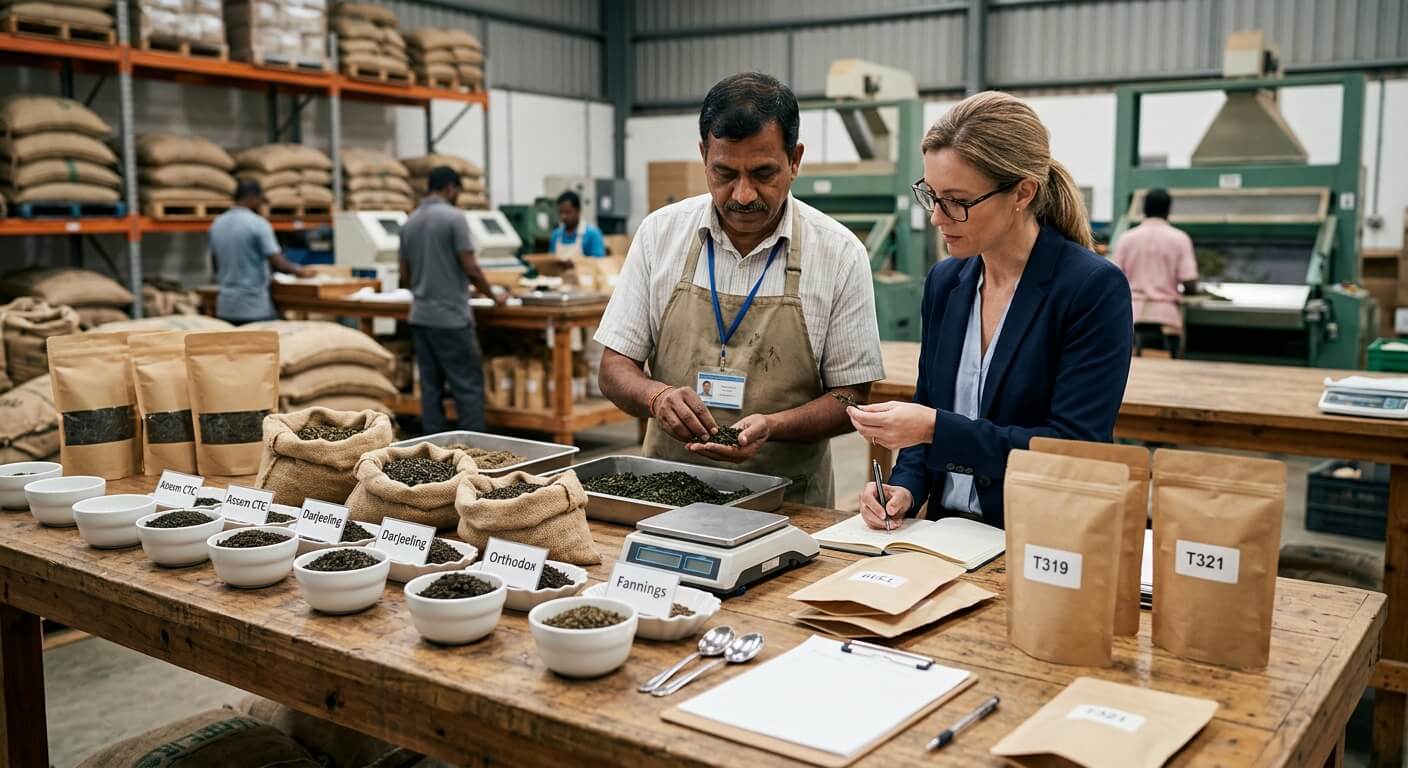
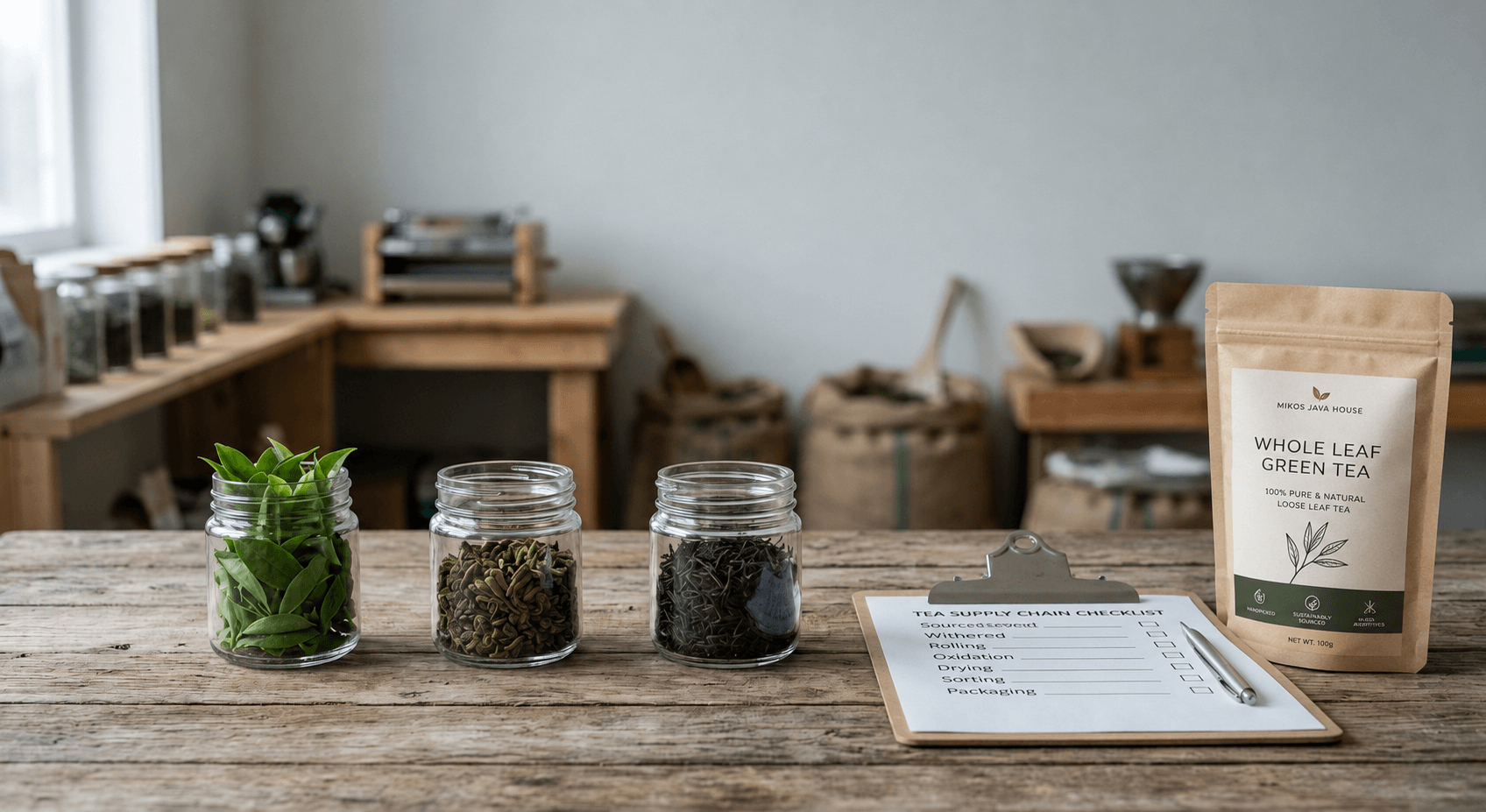
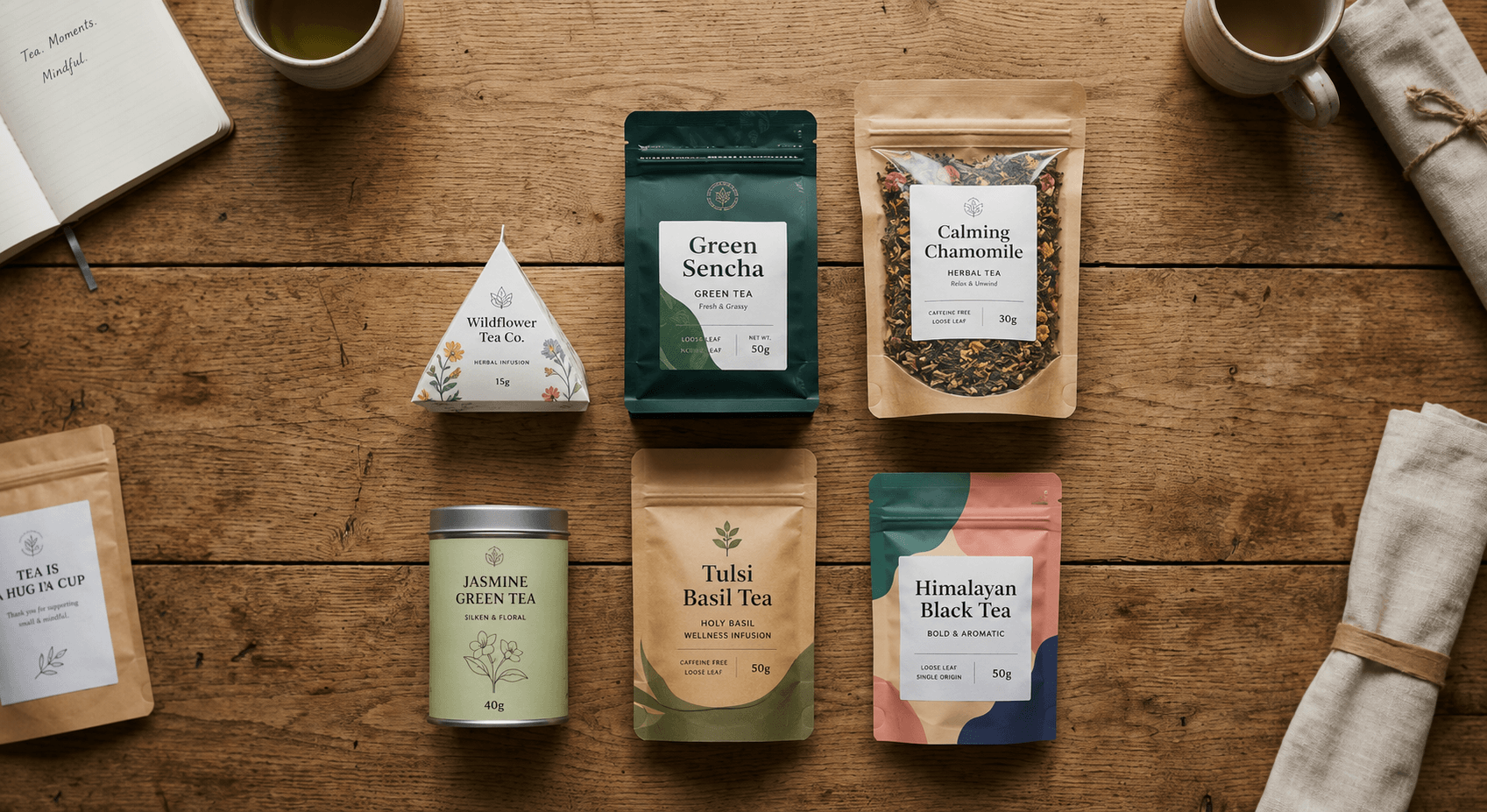
Dropshipping and private label are both routes to selling your own branded tea, and the core difference is inventory: dropshipping means no upfront stock purchase, with your supplier producing and shipping each order as it comes in, while private label means ordering tea in bulk under your brand upfront, giving you higher margins and more control at the cost of inventory risk. Most brands that start with dropshipping move to private label once order volume becomes predictable.
Table of Contents
Quick Answer: Dropshipping vs Private Label Tea

Weighing dropshipping vs private label tea comes down to inventory: dropshipping means no upfront stock purchase, with your supplier producing and shipping each order as it arrives, while private label means ordering tea in bulk under your brand upfront — giving you higher margins and more control at the cost of capital risk.
Side-by-Side Comparison
| Factor | Dropshipping | Private Label |
|---|---|---|
| Upfront inventory cost | None | Bulk order required |
| Per-unit margin | Lower | Higher |
| Inventory risk | None — nothing sits unsold | Yes — unsold stock is a real cost |
| Order fulfillment | Supplier ships per order | You (or your 3PL) ship from your own stock |
| Product customization | Limited to supplier’s available options | Full control over blend, packaging, formulation |
| Best for | Testing demand, low-budget launches | Validated demand, scaling brands |
When Dropshipping Makes Sense
- You’re testing a product idea or niche and don’t yet know if there’s real demand.
- You’re working with a limited starting budget and can’t commit to a bulk order.
- You want to launch fast without waiting on a production run.
- You’re comfortable with lower per-unit margin in exchange for zero inventory risk.
When Private Label Makes Sense
- You already have consistent, validated order volume — from a dropshipping test, an existing audience, or prior sales data.
- You want a specific blend, formulation, or packaging that goes beyond what’s available through dropshipping.
- Margin matters at your scale — bulk ordering brings down per-unit cost meaningfully once volume justifies it.
- You’re ready to manage inventory, whether in-house or through a third-party logistics partner.
A Common Path: Start One, Move to the Other
A frequent pattern is launching with dropshipping to validate a niche and product-market fit with minimal risk, then transitioning to private label once monthly order volume makes bulk ordering the more economical choice. There’s no fixed threshold for when to switch — it comes down to whether the margin improvement from bulk ordering outweighs the inventory risk at your current order volume, which is worth discussing directly with your supplier once you have a few months of sales data.
See the Tea Board of India for category context, and FSSAI for labelling requirements that apply to both models.
Frequently Asked Questions
Can I run both models at the same time?
Some brands do — using private label for their proven, best-selling products and dropshipping to test new products before committing to a bulk order. Confirm with your supplier whether they support a hybrid setup.
Is private label always more profitable than dropshipping?
Per-unit margin is generally higher with private label, but that advantage only materializes if the inventory actually sells. At low or unpredictable order volume, the inventory risk can offset the margin gain — which is why validated demand matters before switching.
Do I need a different supplier to switch from dropshipping to private label?
Not necessarily — a supplier that offers both models can carry your branding and product specs across the transition, which is generally simpler than switching suppliers entirely.
Ricwell supports both models: start with zero-inventory dropshipping, or go straight to bulk private label manufacturing if you already have validated demand.
Related Reading
Sourcing and Fulfilment Partners
Choosing between dropshipping vs private label tea depends on your budget, timeline, and long-term brand goals. If you want high margins and custom blends, private label is the standard path. If you want a quick start with zero stock, dropshipping is the way. Explore our tea business services to see how Ricwell supports both models with direct-from-origin sourcing.
Ready to Launch or Scale Your Tea Brand?
Ricwell handles direct Darjeeling garden sourcing, retail-ready blending, custom packaging, and FSSAI/export compliance under your own brand name from 5kg low MOQs.