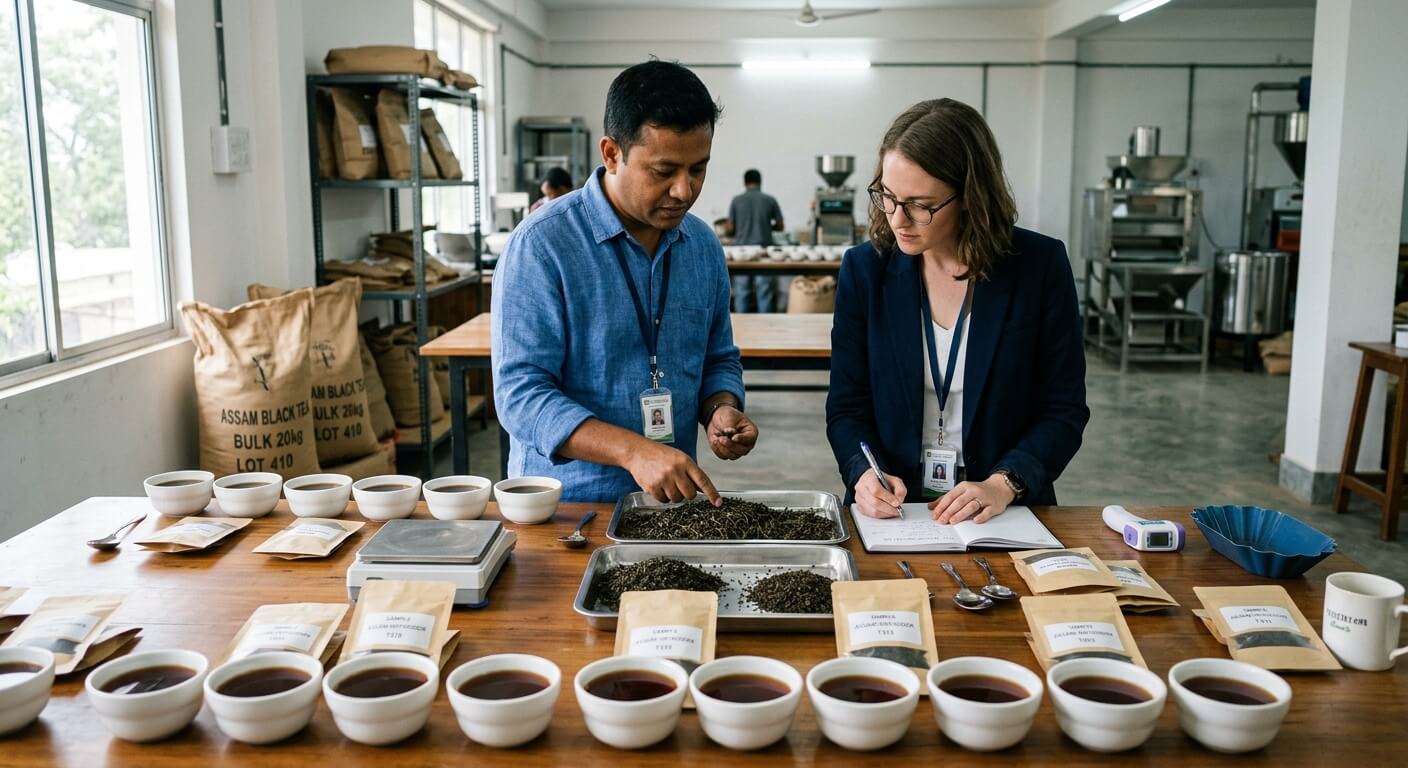
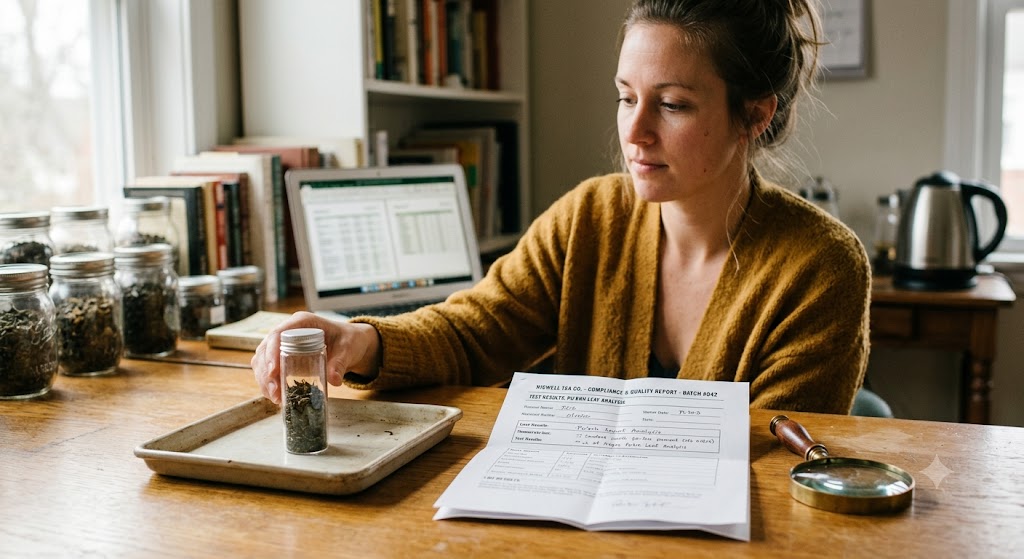
If you know you want to start a tea brand but haven’t landed on the idea yet, the strongest private label concepts usually come from one of four angles: a specific origin story, a functional or wellness positioning, a format innovation, or an audience-first brand built around a community you already understand. You don’t need all four — one clear angle, executed well, beats a brand trying to be everything.
Table of Contents
Quick Answer: Private Label Tea Business Ideas
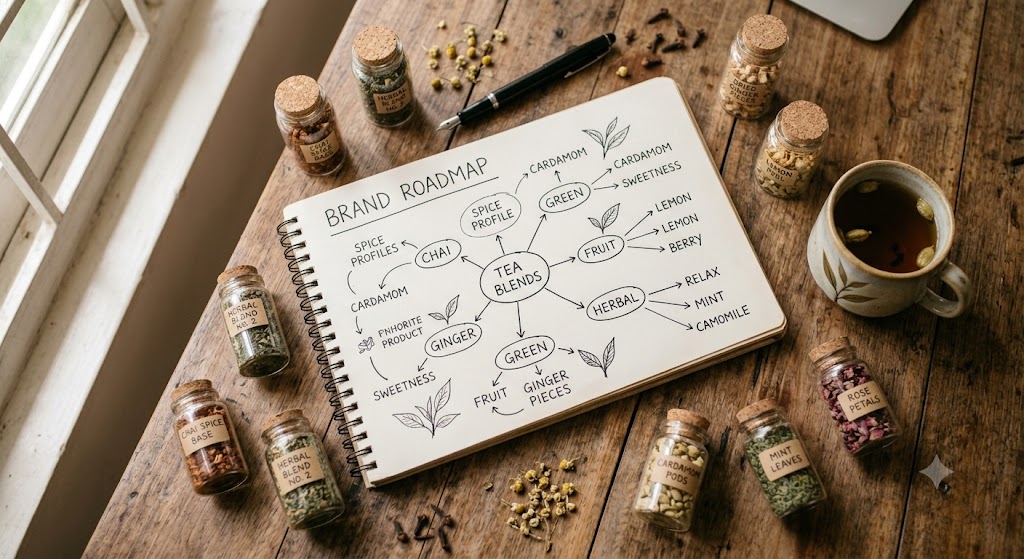
The strongest private label tea business ideas usually come from one of four angles: a specific origin story, a functional or wellness positioning, a format innovation, or an audience-first brand built around a community you already understand. You don’t need all four — one clear angle, executed well, is enough.
Idea 1: Lead With Origin
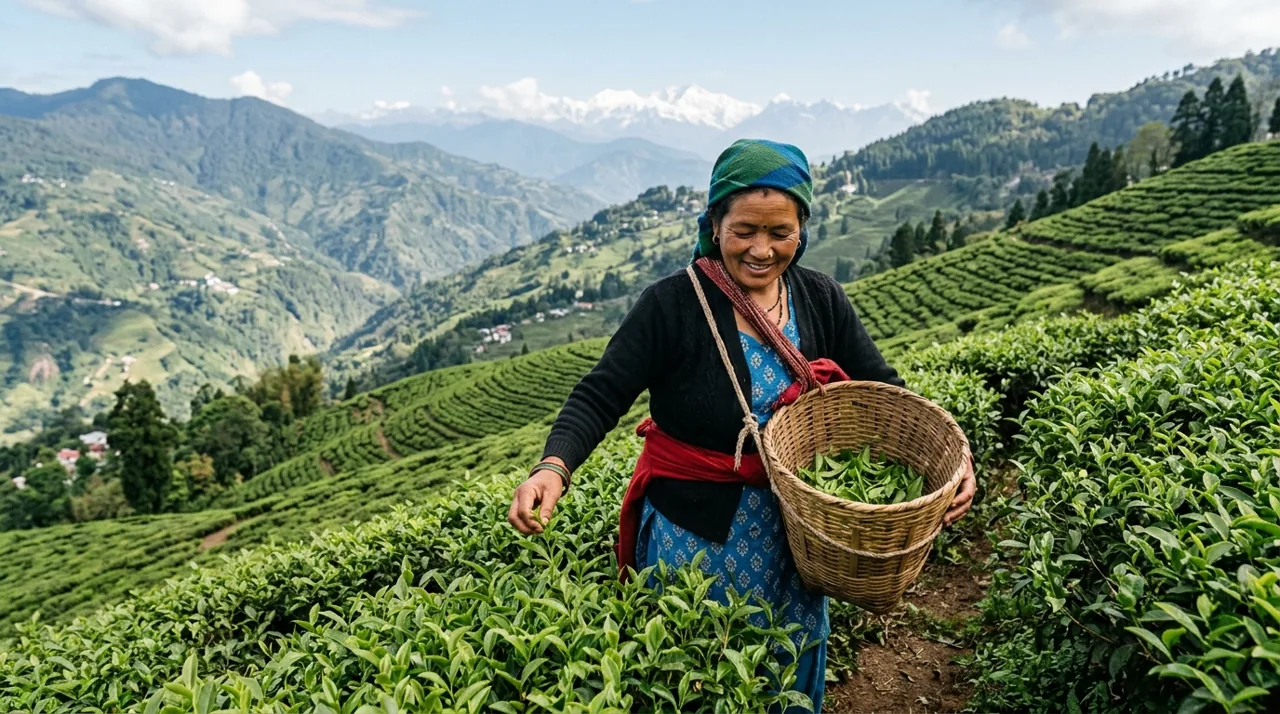
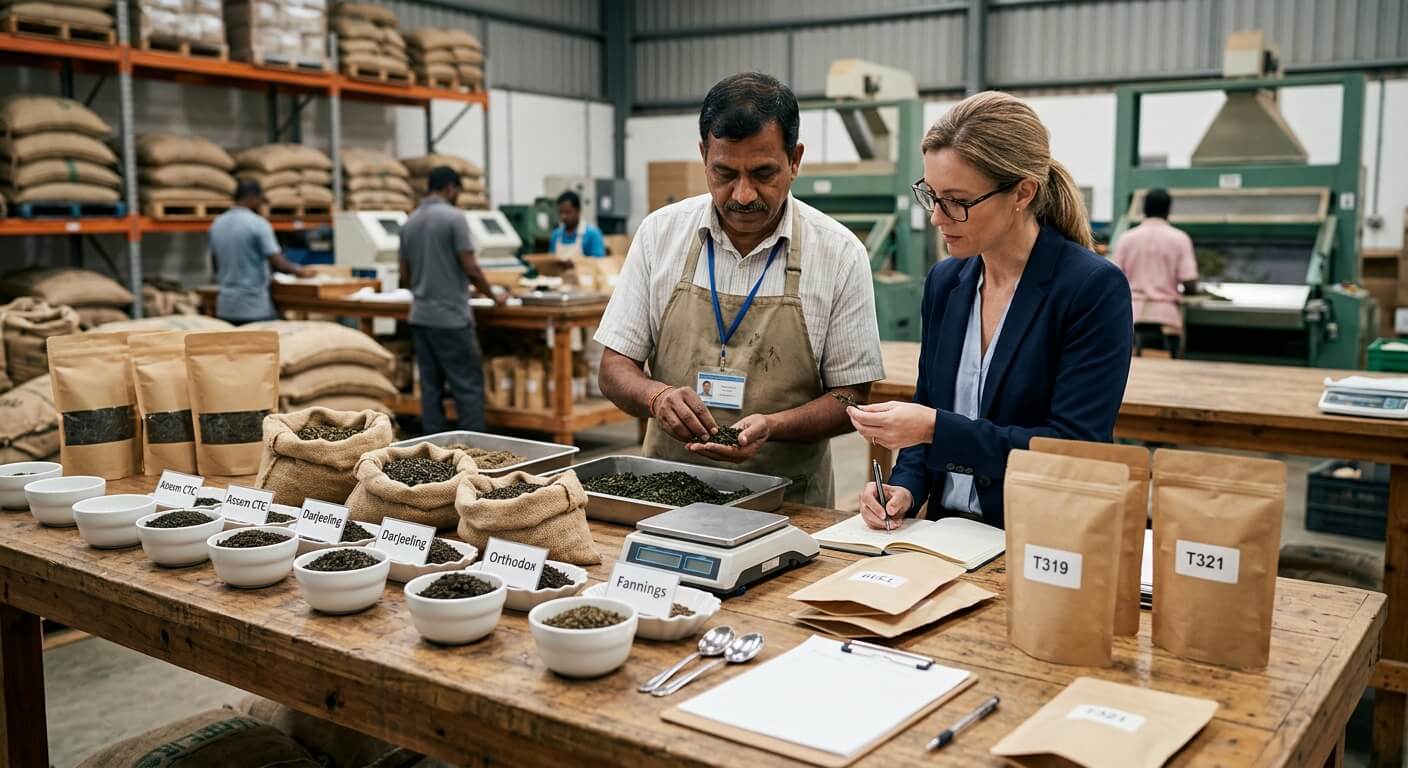
Darjeeling carries Geographical Indication status — grown at 600–2,000m elevation, with First Flush (March–April) as the most prized harvest of the year. A brand built entirely around a single, verifiable origin story has a provenance claim most competitors simply can’t make, especially if you’re targeting buyers who already care about where their tea comes from.
Idea 2: Build Around a Functional Category
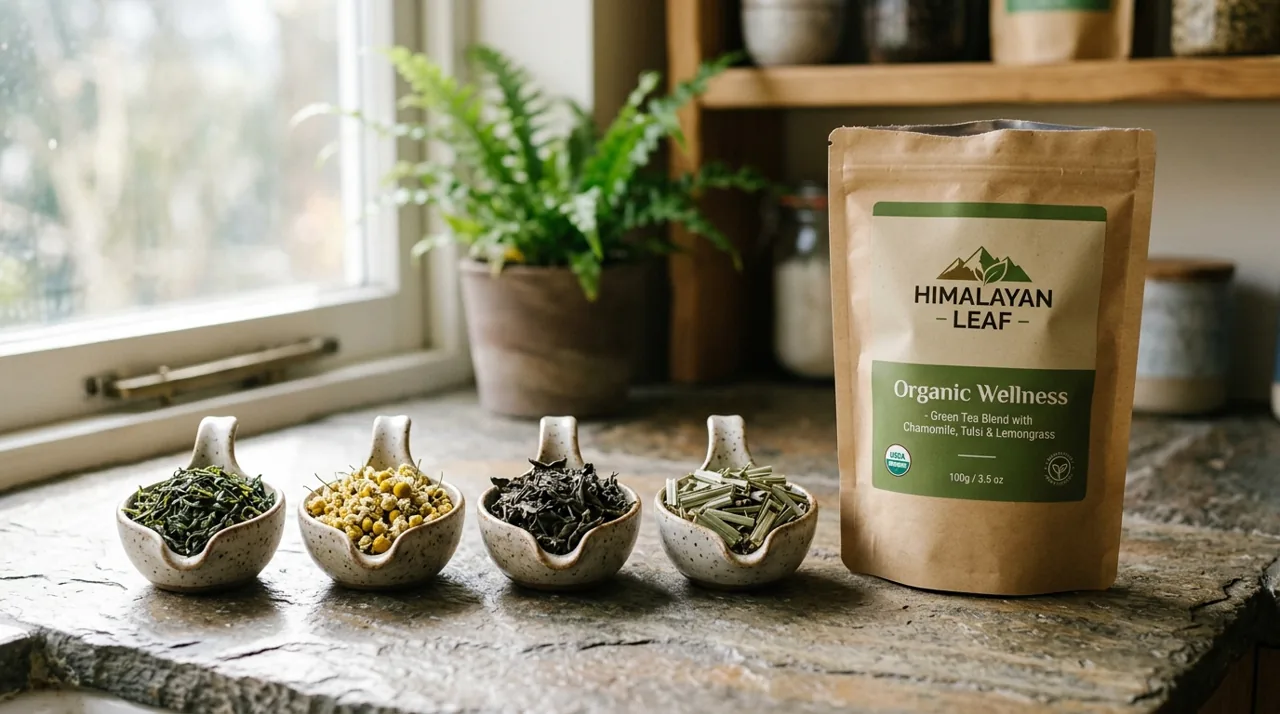
Sleep & Relaxation, Immunity, Digestion, and Energy are the four functional categories seeing the most demand right now, formulated with botanicals like Ashwagandha, Turmeric, Moringa, Hibiscus, and Probiotics. This is a genuinely growing space, but it only works if the blending expertise is real — a wellness claim on a label with no formulation behind it is easy for customers to see through.
Idea 3: Rethink the Format
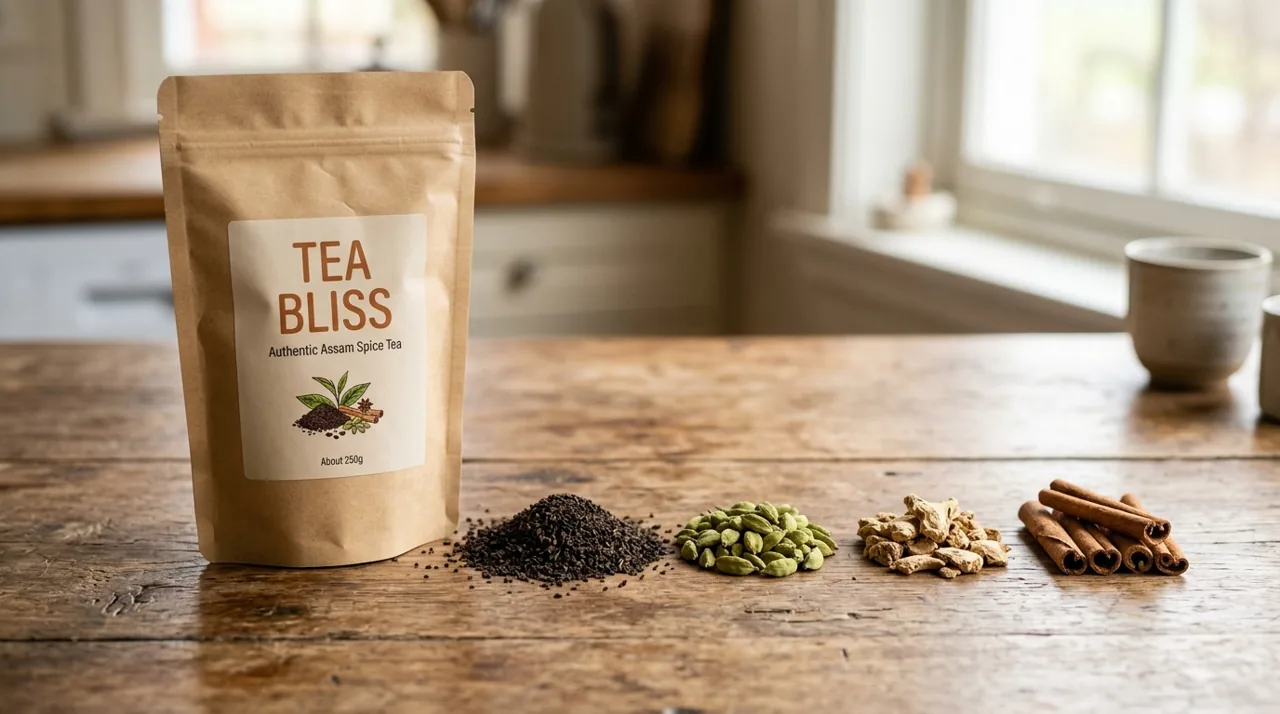
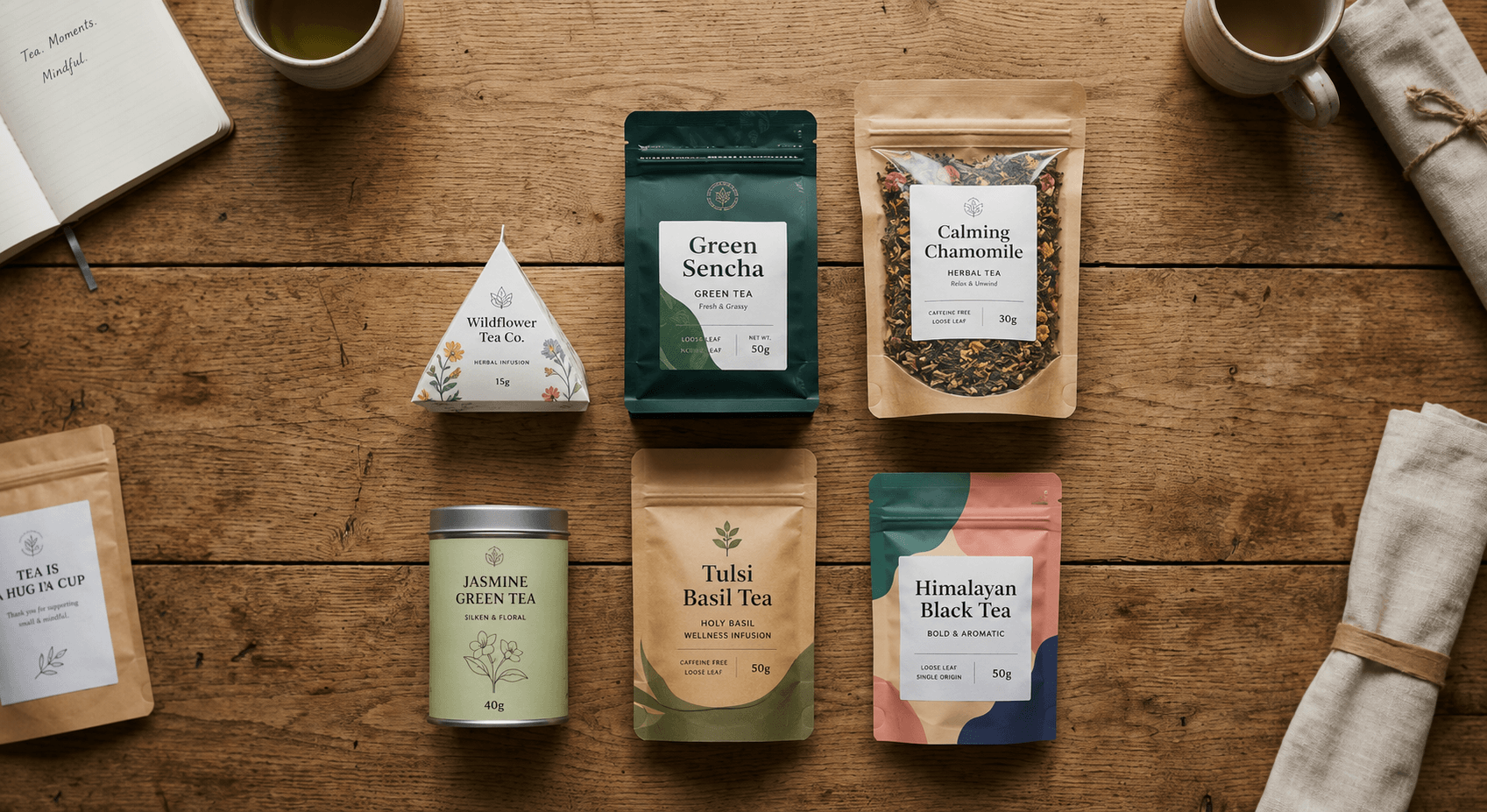
Doypacks (stand-up resealable pouches) and pyramid tea bags are both retail-ready formats available at low MOQs — which means the format itself can be your differentiation. A brand built around a genuinely convenient format (single-serve pyramids for a specific occasion, resealable doypacks pitched at bulk-conscious buyers) can stand out on shelf appeal alone.
Idea 4: Build for an Audience You Already Understand
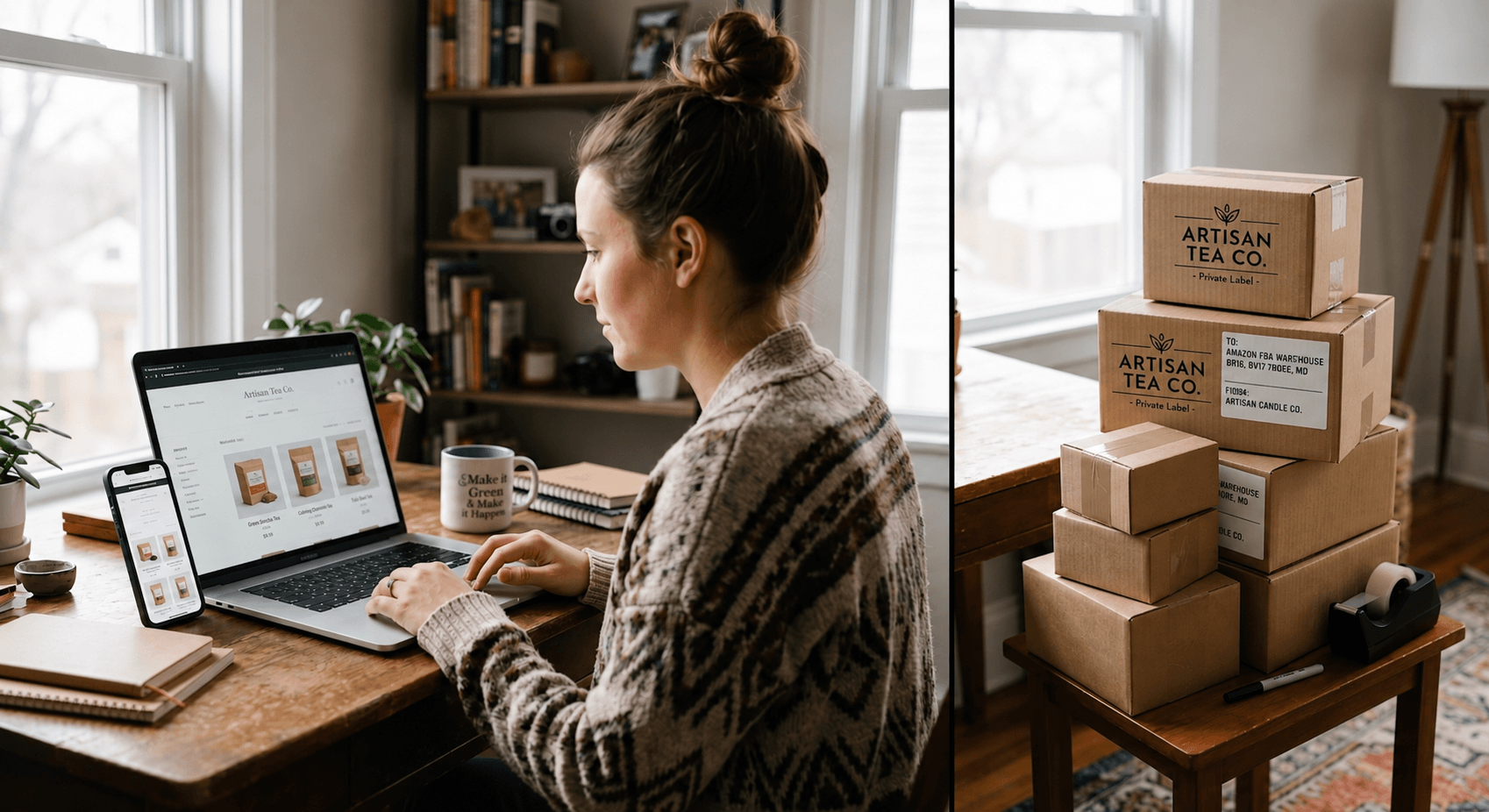
If you already have an audience — a fitness community, a parenting following, a regional diaspora — a tea brand built specifically for what that audience already wants beats a generic brand trying to appeal to everyone. This is also the natural entry point for creators testing a brand via dropshipping before committing to stock.
What Actually Makes These Ideas Work
- Pick one angle, not all four. A brand that’s simultaneously an origin story, a wellness brand, and a format innovation reads as unfocused. Choose the one that’s genuinely true and lean into it.
- Start small. MOQs from 10kg–50kg per blend mean you can test one SKU before committing to a full range.
- Validate before you scale. Dropshipping is a legitimate way to test whether an idea sells before holding stock under a private label arrangement.
See the Tea Board of India for market data, and APEDA for export opportunities if you’re planning to sell internationally.
Frequently Asked Questions
Do I need a big budget to test one of these ideas?
No — low MOQs (10kg–50kg per blend) and the option to start with dropshipping both keep the upfront cost of testing an idea relatively low.
Can I combine a few of these ideas into one brand?
You can, but a brand with one clear, sharp angle is usually easier for customers to understand and remember than one trying to cover origin, function, and format all at once.
How do I know if a wellness angle is realistic for a first product?
Ask your manufacturer directly whether they formulate functional blends themselves or just source pre-mixed ones — the difference matters for both quality and how honestly you can describe the product.
Once you’ve got an angle in mind, see how Ricwell’s private label process turns it into a retail-ready product, or read our full guide to starting a tea brand in India for the step-by-step version.
Related Reading
- What Is Private Label Tea? A Complete Guide
- Private Label vs. White Label Tea: What’s the Difference?
Ready to Launch or Scale Your Tea Brand?
Ricwell handles direct Darjeeling garden sourcing, retail-ready blending, custom packaging, and FSSAI/export compliance under your own brand name from 5kg low MOQs.