Starting a tea brand in India means choosing your tea type and origin, deciding whether to build sourcing and production yourself or partner with a private label manufacturer, meeting FSSAI and labelling requirements, and getting a retail-ready product to market. Most first-time founders take the private label route — it’s faster, needs far less upfront capital, and skips the sourcing and compliance work that stalls most DIY attempts before they ship a single batch.
Table of Contents
Quick Answer: How to Start a Tea Brand in India

To start a tea brand in India, choose your tea type and origin, decide between building your own supply chain or partnering with a private label manufacturer, meet FSSAI and labelling requirements, then launch a retail-ready product. Most first-time founders choose the private label route since it needs far less upfront capital.
If you’ve got a tea idea and no supply chain behind it yet, here’s what the process actually looks like, from a first conversation to a product on shelf.
What You Actually Need to Launch
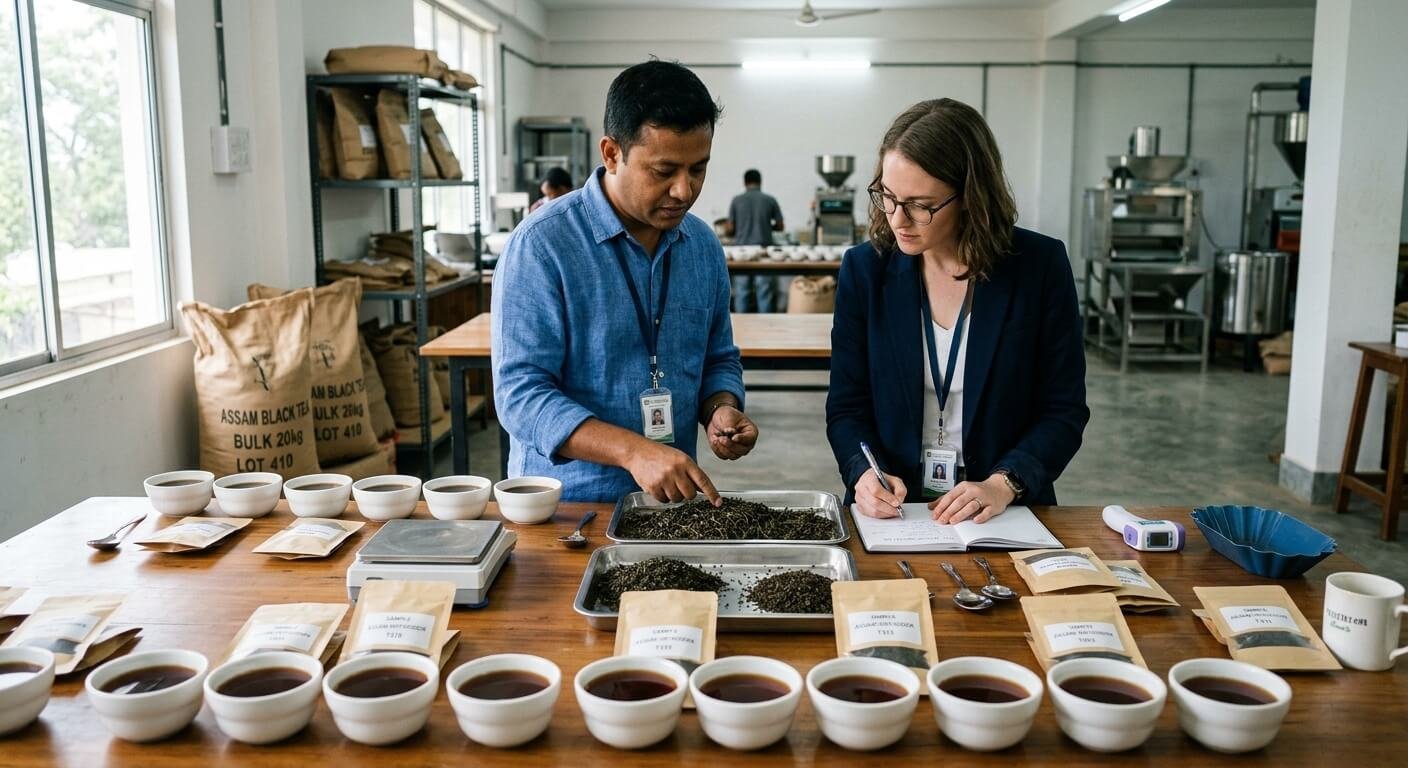
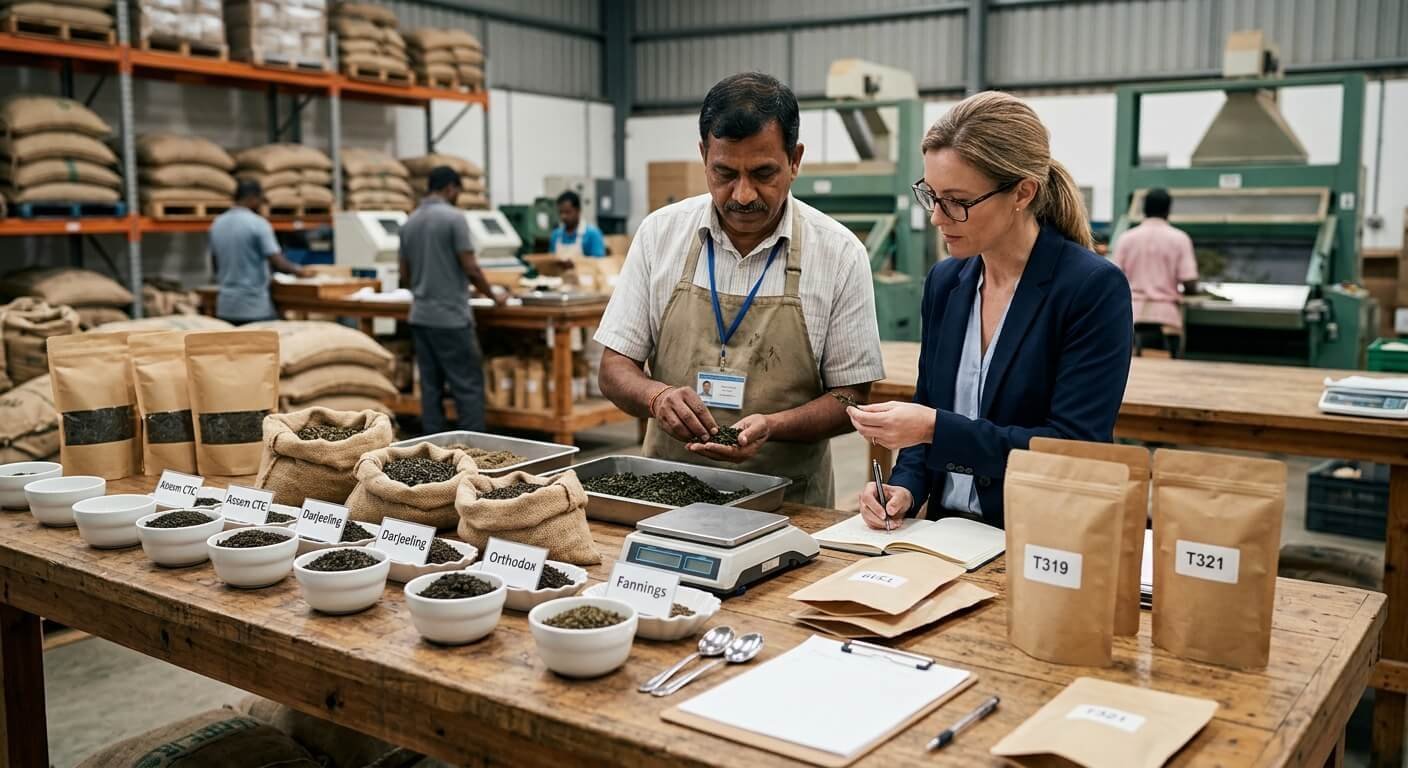
Underneath all the branding and marketing, a tea brand needs five things to exist: a tea (blend, origin, and grade), a manufacturing partner who can source and pack it, compliant packaging and labelling, a brand identity, and a way to get product to your customer. Founders who try to solve all five themselves usually get stuck on the second and third — India’s traditional tea exporters are built for 500kg–1 tonne orders, which is far more stock and capital than a new brand should risk on an unproven product.
The 6 Steps to Starting a Tea Brand in India
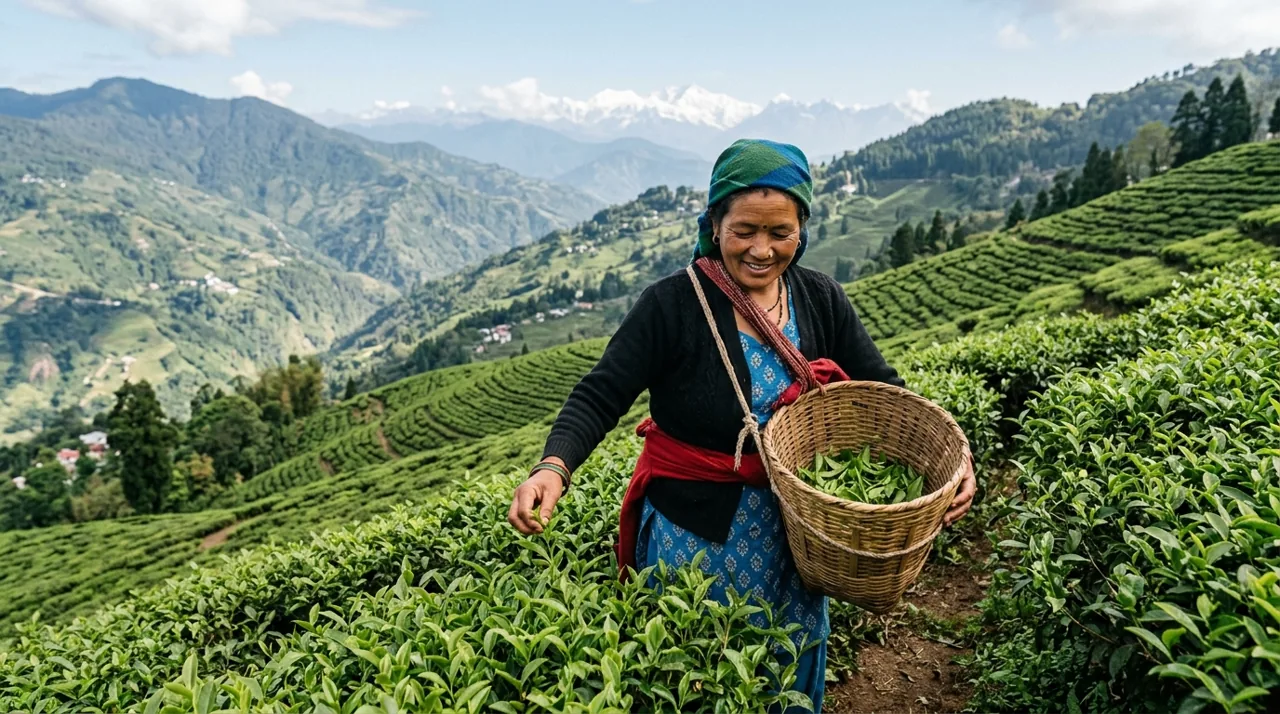
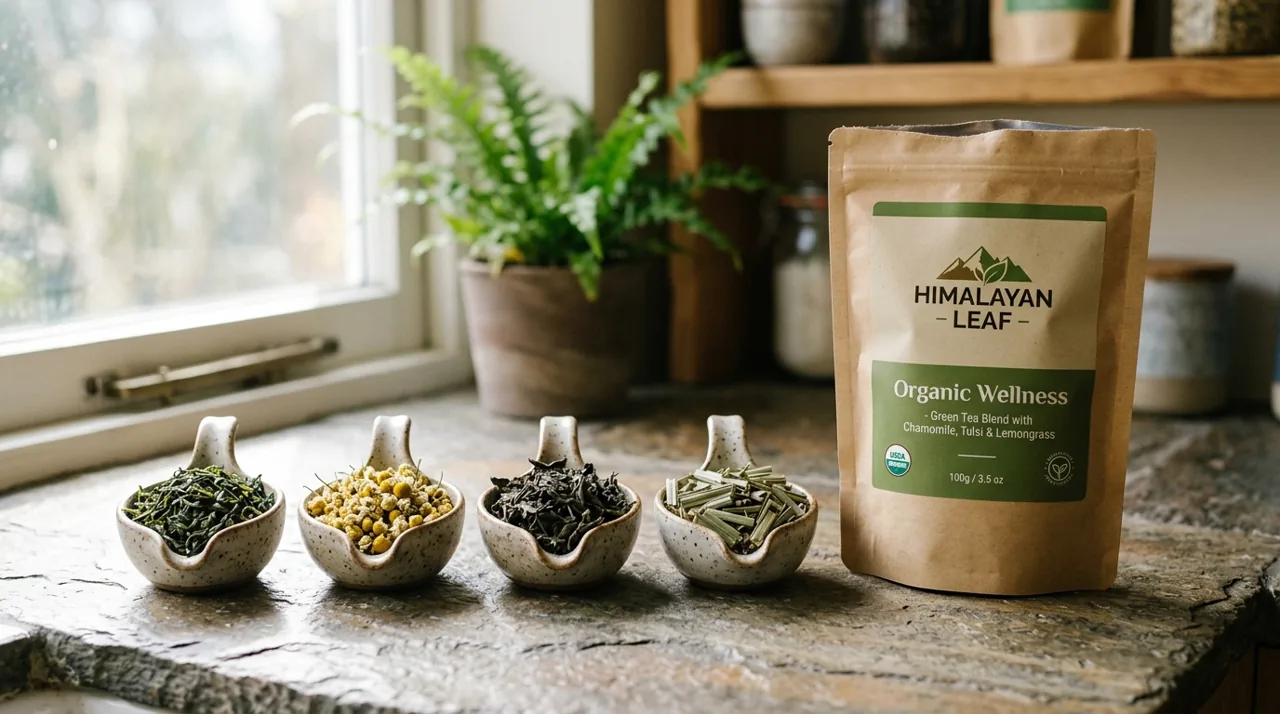
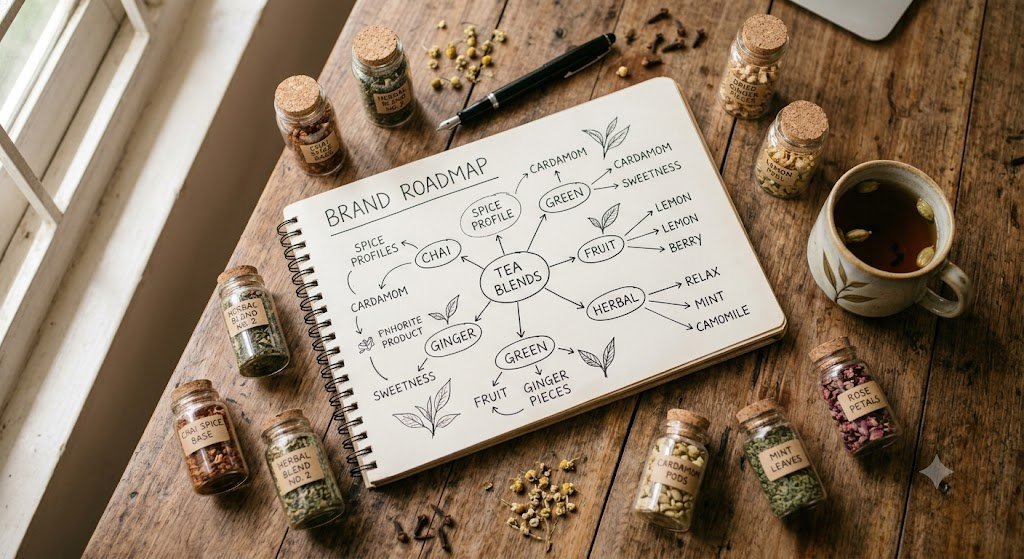
- Decide your tea type, origin, and positioning. Black, green, oolong, white, chai, herbal, Ayurvedic, iced, blended, or flavoured — and whether you’re leaning into a specific origin story (Darjeeling’s Geographical Indication status is the strongest provenance claim in Indian tea) or a functional angle (Ashwagandha, Turmeric, Moringa, Hibiscus, and Probiotic-based blends are the fastest-growing category right now).
- Choose your route: DIY or private label. Building your own sourcing, blending, and packaging line requires estate relationships, blending expertise, and packaging machinery — realistic for an established business, rarely for a first product. A private label partner handles all three under one roof.
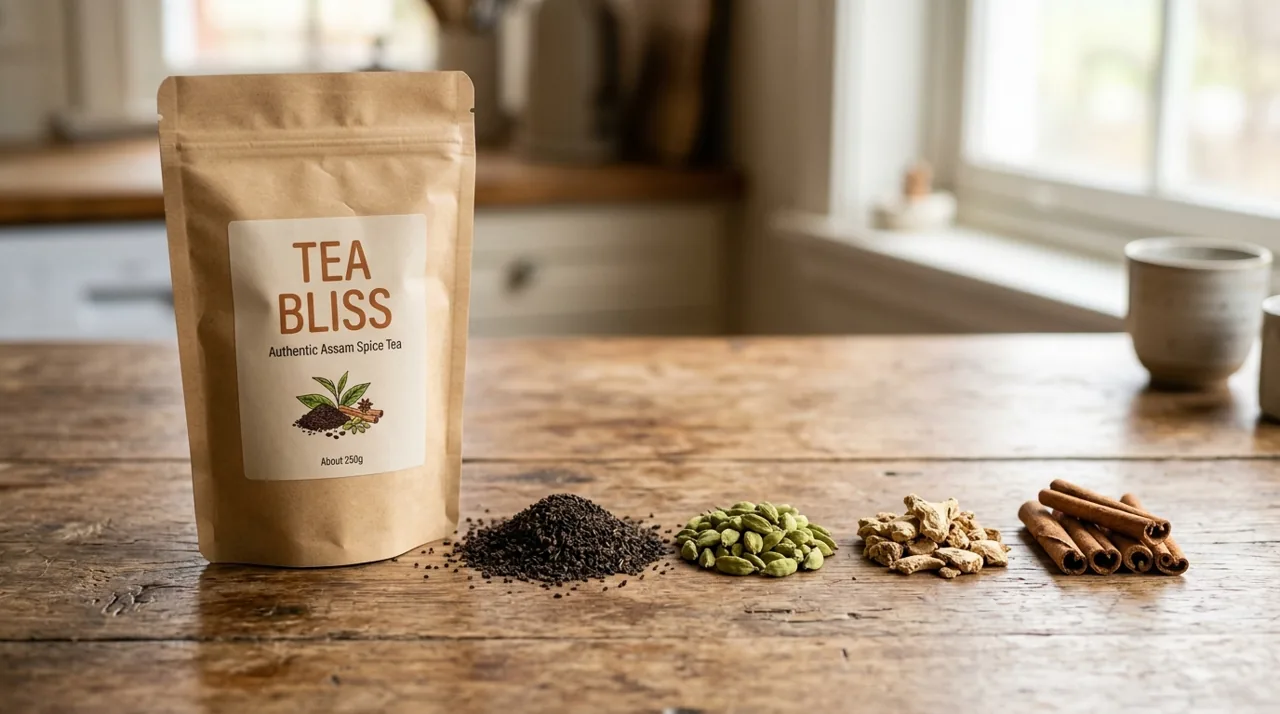
- Settle your minimum order quantity and packaging format. Traditional exporters typically require 500kg–1 tonne per blend. Private label manufacturers built for new brands — Ricwell included — offer MOQs starting at 10kg–50kg, in doypack (stand-up pouch) or pyramid tea bag formats.
- Handle compliance before you sell a single unit. In India that means FSSAI registration, GST registration, and correct label content — ingredients, net weight, batch number, and your FSSAI licence number. If you’re planning to sell into the US, EU, or Canada eventually, factor in export-compliance documentation early rather than retrofitting it later.
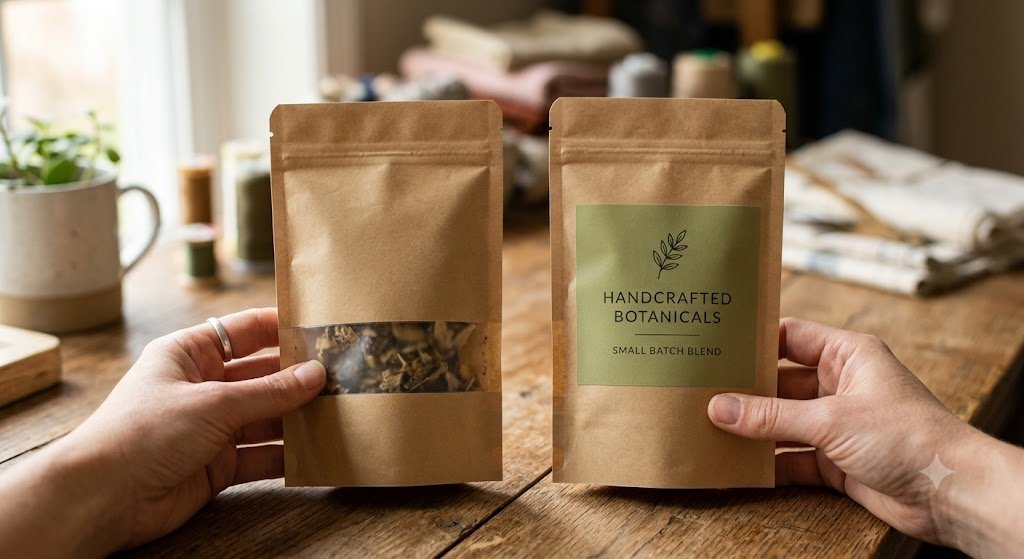
- Build your brand identity and packaging design. Name, logo, visual language, and packaging design suited to your target market and price point — this is where your positioning from step 1 actually becomes a product someone picks up off a shelf or a screen.
- Choose your fulfilment model. Retail-ready stock you hold and sell yourself, or a dropshipping arrangement where your manufacturer stores, packs, and ships direct to your customer under your brand while you hold zero inventory.
How Long Does This Actually Take?
Longer than a weekend, shorter than most founders fear. Timelines depend on blend complexity, how quickly you make packaging decisions, and whether you need export documentation from day one. Most private label brands move through discovery, product and brand planning, brand build, digital presence, and fulfilment within a matter of weeks rather than months — but any supplier who quotes you an exact date before understanding your blend and packaging choices is guessing. Ask for a realistic estimate after a proper discovery conversation, not before.
Private Label vs. Building It Yourself
Both routes can work. The right one depends on your capital, timeline, and appetite for operational complexity.
- Private label: Lower MOQ (10kg–50kg), faster to launch, sourcing and compliance handled for you, less upfront capital, less control over the supply chain itself.
- Build it yourself: Full control over sourcing and process, but requires estate relationships, blending expertise, packaging machinery, and typically 500kg–1 tonne minimum orders — a much larger capital and inventory commitment for a first product.
Most first-time founders start private label and consider building in-house capability later, once demand is proven and volume justifies the investment.
Common Mistakes First-Time Tea Founders Make
- Committing to a large MOQ before validating demand. A 500kg first order on an unproven blend is a significant risk — start smaller and reorder once you know it sells.
- Treating compliance as a launch-day afterthought. FSSAI registration and correct labelling take time; starting them alongside brand development, not after it, avoids a delayed launch.
- Picking a functional ingredient story without formulation expertise behind it. Wellness positioning (sleep, immunity, digestion, energy) needs to be blended by someone who actually works with adaptogens and botanicals — not just a nice label claim.
- Underestimating packaging lead time. Custom doypack or pyramid tea bag printing takes longer than most founders budget for in their launch timeline.
For official requirements, check the Food Safety and Standards Authority of India (FSSAI) and the Tea Board of India.
Frequently Asked Questions
Do I need business experience to start a tea brand?
No. Most first-time tea founders have never launched a product before, and a private label partner should walk you through every step — sourcing, compliance, and packaging — without assuming prior knowledge.
What’s the minimum budget to start?
It scales with your MOQ and packaging choices. Starting at a 10kg–50kg MOQ keeps upfront capital far lower than the 500kg–1 tonne minimums traditional exporters require.
Can I start with dropshipping instead of holding stock?
Yes — it’s a common way to test a tea brand idea with zero inventory risk before committing to holding stock under a full private label arrangement.
Do I need my own FSSAI licence if I use a private label manufacturer?
Requirements depend on your specific business structure and sales channel — a private label partner can guide you on FSSAI and GST registration, but confirm your exact obligations before launch.
If you’ve got a tea idea and want to see what the private label route looks like in practice — MOQs, process, and compliance support included — see how Ricwell’s private label tea manufacturing works.
Related Reading
- What Is Private Label Tea? A Complete Guide
- How to Launch a Private Label Tea Brand
- Private Label Tea Business Ideas for First-Time Founders
Ready to Launch or Scale Your Tea Brand?
Ricwell handles direct Darjeeling garden sourcing, retail-ready blending, custom packaging, and FSSAI/export compliance under your own brand name from 5kg low MOQs.