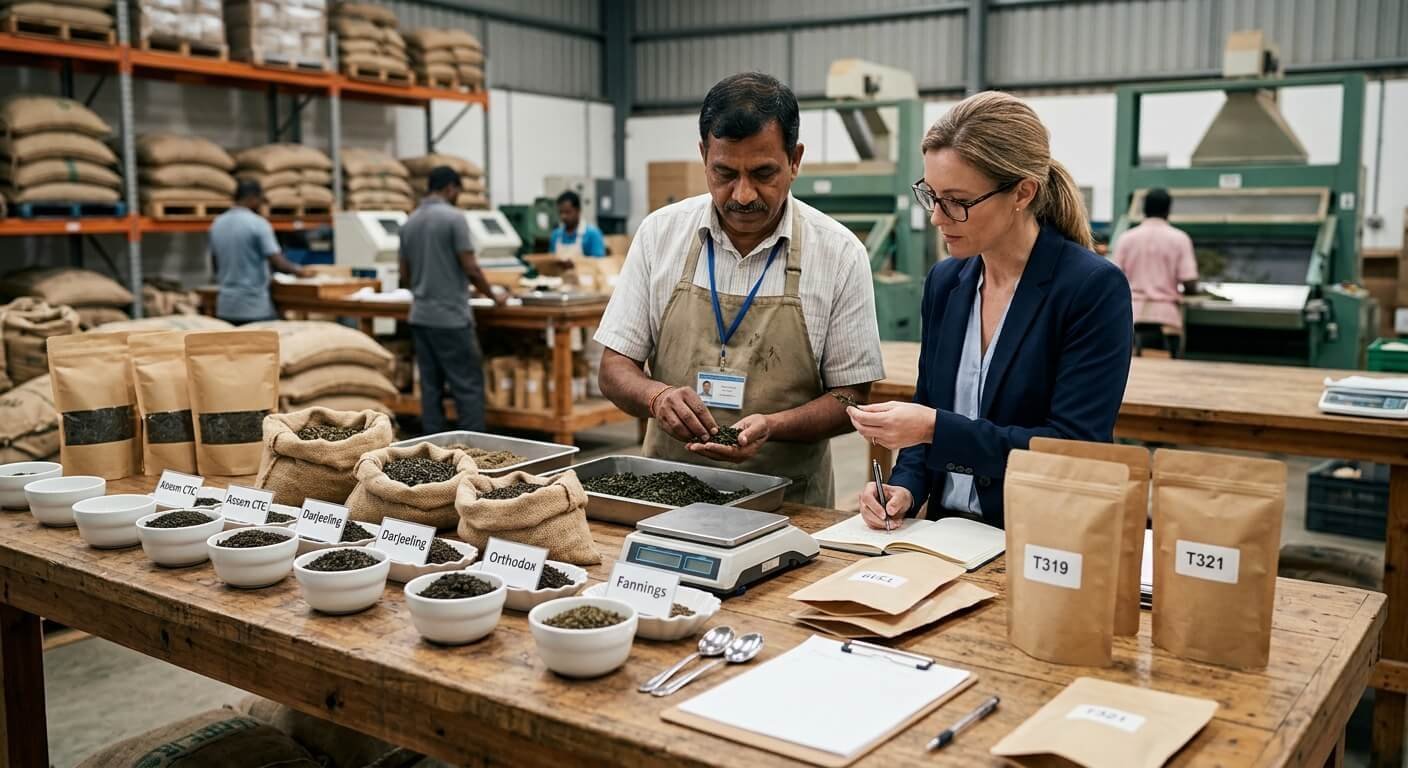
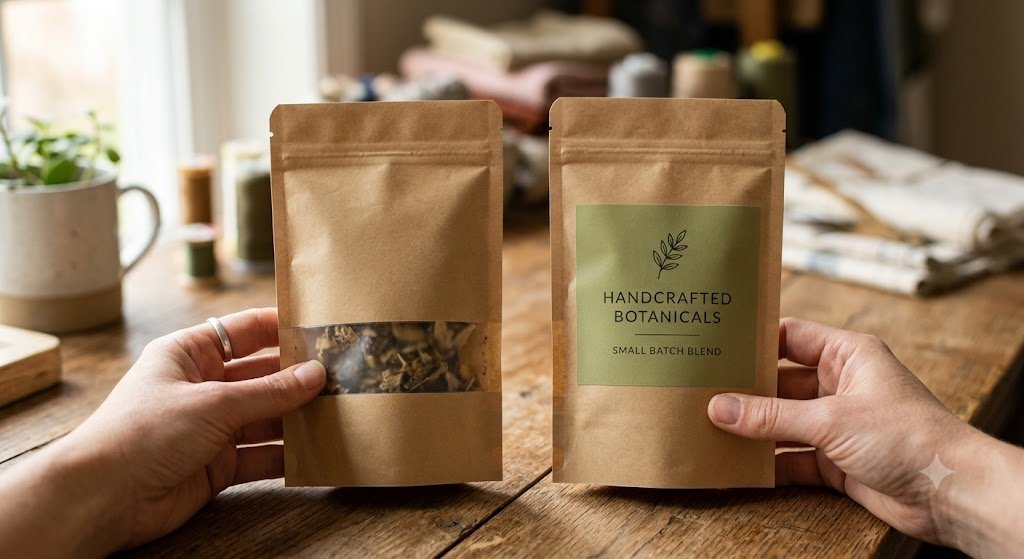
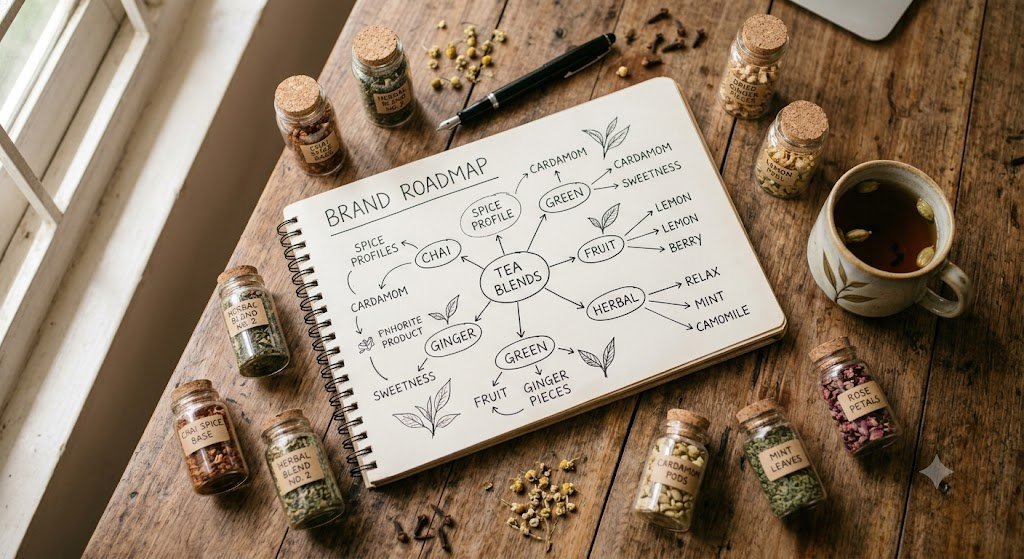
Private label tea is customised to your brand — blend, formulation, or packaging built to your specification. White label tea is an identical, pre-made product simply re-labelled with your branding, sold to multiple buyers with no customisation beyond the label itself. Both let you sell tea under your own name; they differ in how much of the product is actually yours.
Table of Contents
Quick Answer: Private Label vs White Label Tea

Comparing private label vs white label tea comes down to customisation: private label tea is built to your specification — blend, formulation, or packaging — while white label tea is an identical, pre-made product simply re-labelled with your branding. Both let you sell under your own name, just at different levels of control.
Private Label, in Practice
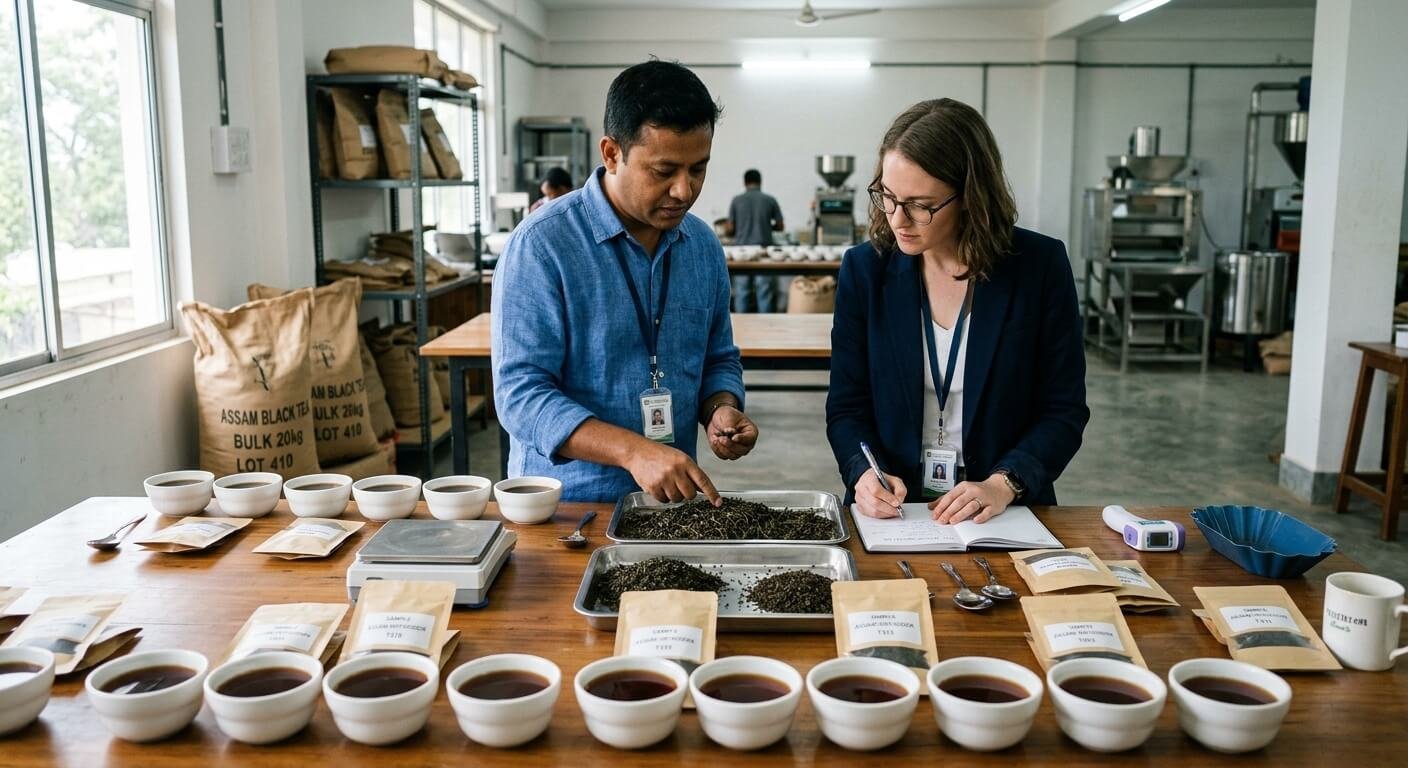
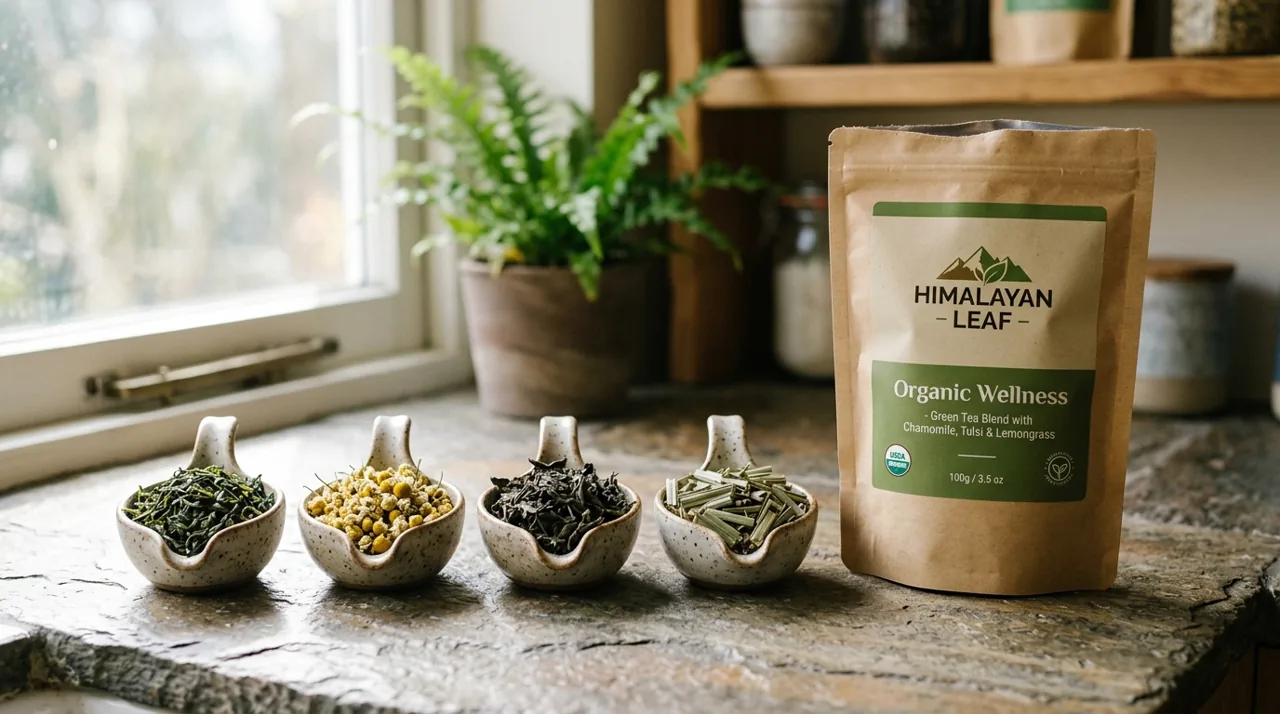
A private label manufacturer sources tea to your specification — type, origin, grade — and blends, packages, and labels it specifically for your brand. If you want a functional wellness blend formulated with Ashwagandha and Moringa, or a single-origin Darjeeling story nobody else is telling, private label is what makes that possible. MOQs typically start at 10kg–50kg per blend.
White Label, in Practice
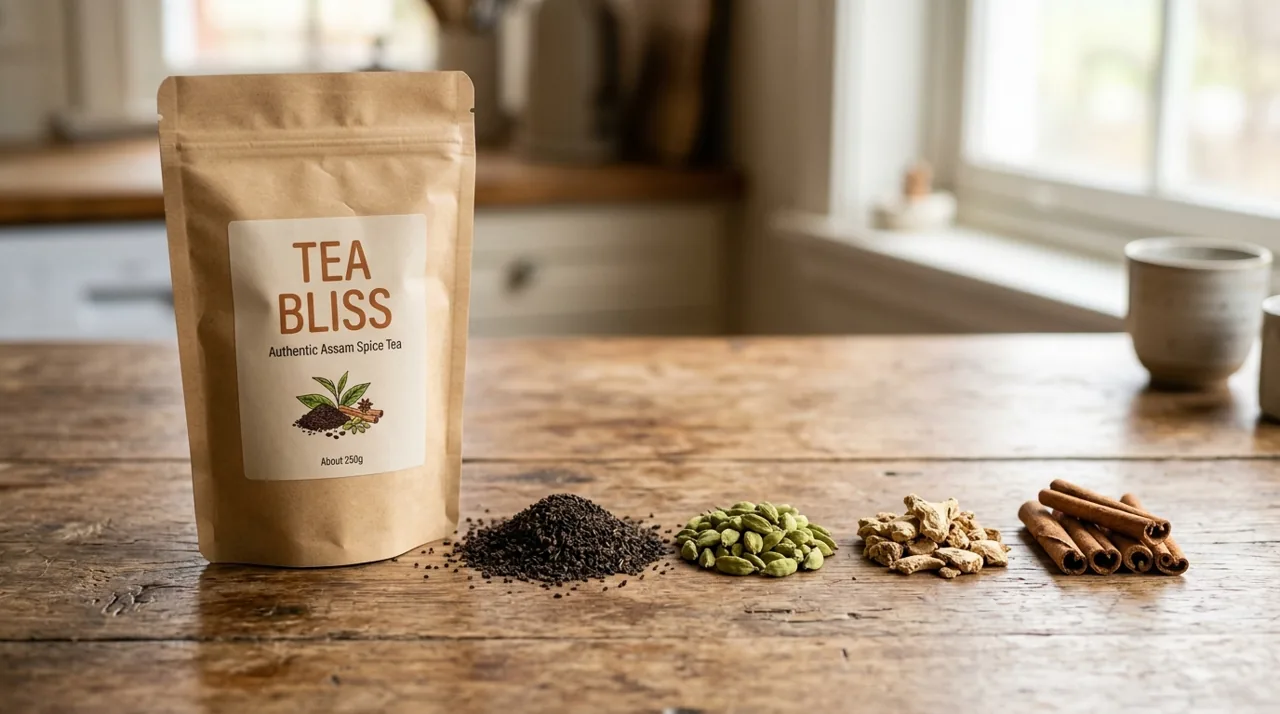
White label tea is usually a standard, already-formulated product — the same blend sold to any buyer willing to put their label on it. It’s faster to bring to market because there’s no formulation or sourcing decision to make, but it also means your competitor could be selling the identical product under a different name.
Side-by-Side Comparison
| Private Label | White Label | |
|---|---|---|
| Product customisation | Blend, origin, and formulation built to your spec | Standard, pre-made product |
| Differentiation | Genuinely unique to your brand | Same product, different label, across buyers |
| Speed to market | Slightly slower — blend and packaging decisions take time | Faster — no formulation step |
| Typical MOQ | From 10kg–50kg per blend | Varies, often lower per SKU |
| Best for | Brands building a distinct identity or wellness story | Fast market entry with minimal differentiation needs |
Which Should You Choose?
If your brand’s value proposition depends on being different — a specific origin story, a functional formulation, a packaging format nobody else in your market is using — private label is the only route that actually delivers that. If you’re testing whether a tea product sells at all before investing in a distinct formulation, a white label product can get something to market faster, with the option to move to private label once you know the category works for you.
See FSSAI for labelling rules that apply either way, and the Tea Board of India for manufacturer licensing standards.
Frequently Asked Questions
Is private label more expensive than white label?
It typically involves more upfront decision-making around blend and packaging, though low MOQs (10kg–50kg) keep the actual capital commitment manageable for a first product.
Can I switch from white label to private label later?
Yes — many brands start with a faster, simpler product to test demand and move to a fully customised private label formulation once they’ve validated the category.
Does private label mean I own the recipe?
Confirm this directly with your manufacturer — terms vary, and it’s worth clarifying before you invest in developing a distinct formulation.
To see what a fully customised build looks like — MOQs, formulation, and packaging included — explore Ricwell’s private label tea manufacturing service.
Related Reading
Choosing Your Brand Packaging
Ultimately, private label vs white label tea comes down to how much customization you require for your packaging and flavor profile. For small batches, white label is cost-efficient, but private label is the gold standard for scaling a premium tea brand. Check out our B2B low MOQ private label tea service to see how we make custom packaging accessible from just 5kg batches.
Ready to Launch or Scale Your Tea Brand?
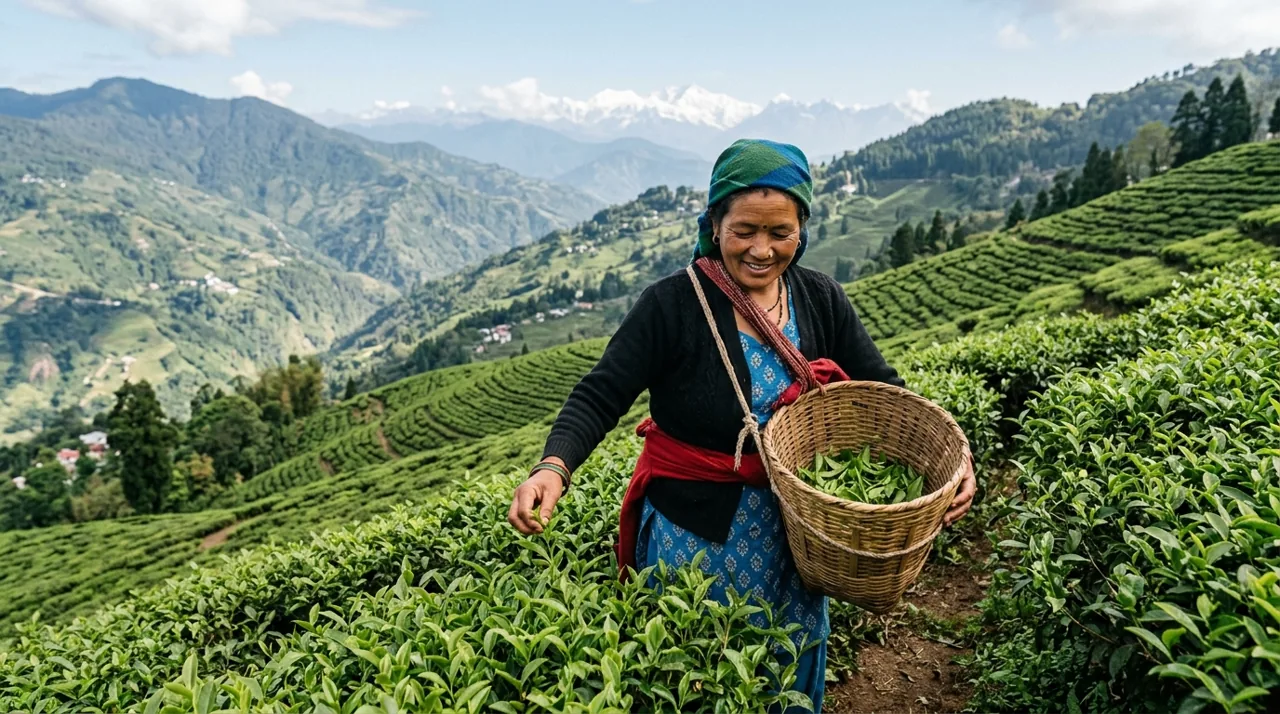
Ricwell handles direct Darjeeling garden sourcing, retail-ready blending, custom packaging, and FSSAI/export compliance under your own brand name from 5kg low MOQs.