Functional and wellness tea — loose leaf or bagged tea infused with adaptogens and botanicals aimed at a specific consumer need — is one of the fastest-growing categories in tea right now. Four positioning areas are driving most of the demand: Sleep & Relaxation, Immunity, Digestion, and Energy, each built around specific, recognisable botanical ingredients rather than vague wellness branding.
Table of Contents
Quick Answer: Functional Wellness Tea Trends

Functional wellness tea trends are being driven by four positioning areas right now: Sleep & Relaxation, Immunity, Digestion, and Energy, each built around specific, recognisable botanical ingredients like Ashwagandha, Turmeric, Moringa, and Probiotics. Getting the formulation and labelling right before launch matters more than chasing every trend at once.
The Four Categories Worth Knowing
- Sleep & Relaxation. Formulated with calming botanicals such as Ashwagandha and chamomile-family ingredients, positioned for evening or wind-down occasions.
- Immunity. Built around botanicals like Turmeric and Moringa, generally positioned as everyday-support blends rather than remedies.
- Digestion. Often features Probiotic infusions alongside traditional digestive herbs.
- Energy. Formulated for natural energy positioning, distinct from the caffeine content of traditional black tea.
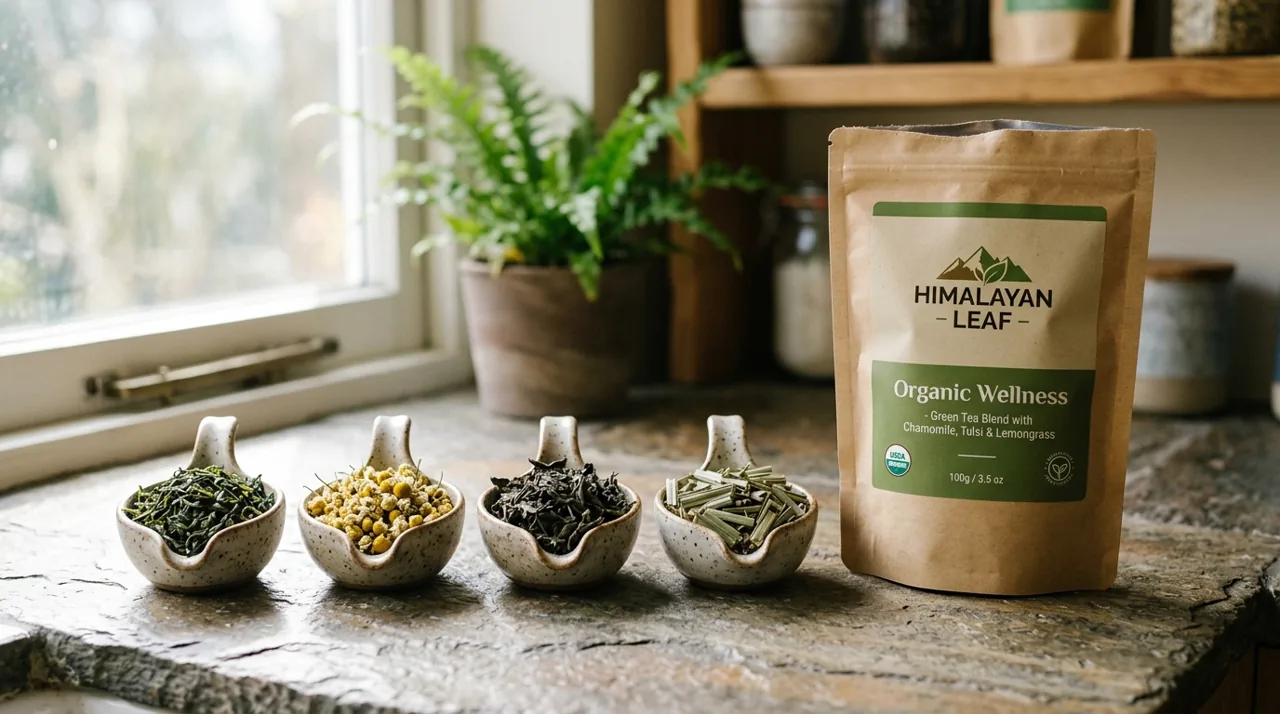
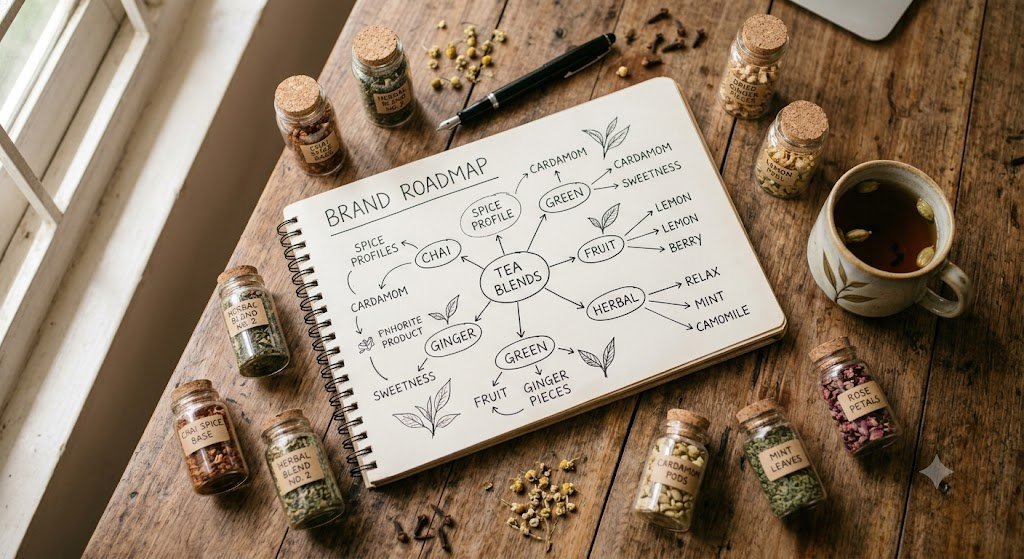
Ashwagandha, Turmeric, Moringa, Hibiscus, and Probiotics are the core formulation ingredients behind most of this category — infused into high-quality loose leaf rather than sold as standalone supplements.
Why This Category Is Growing
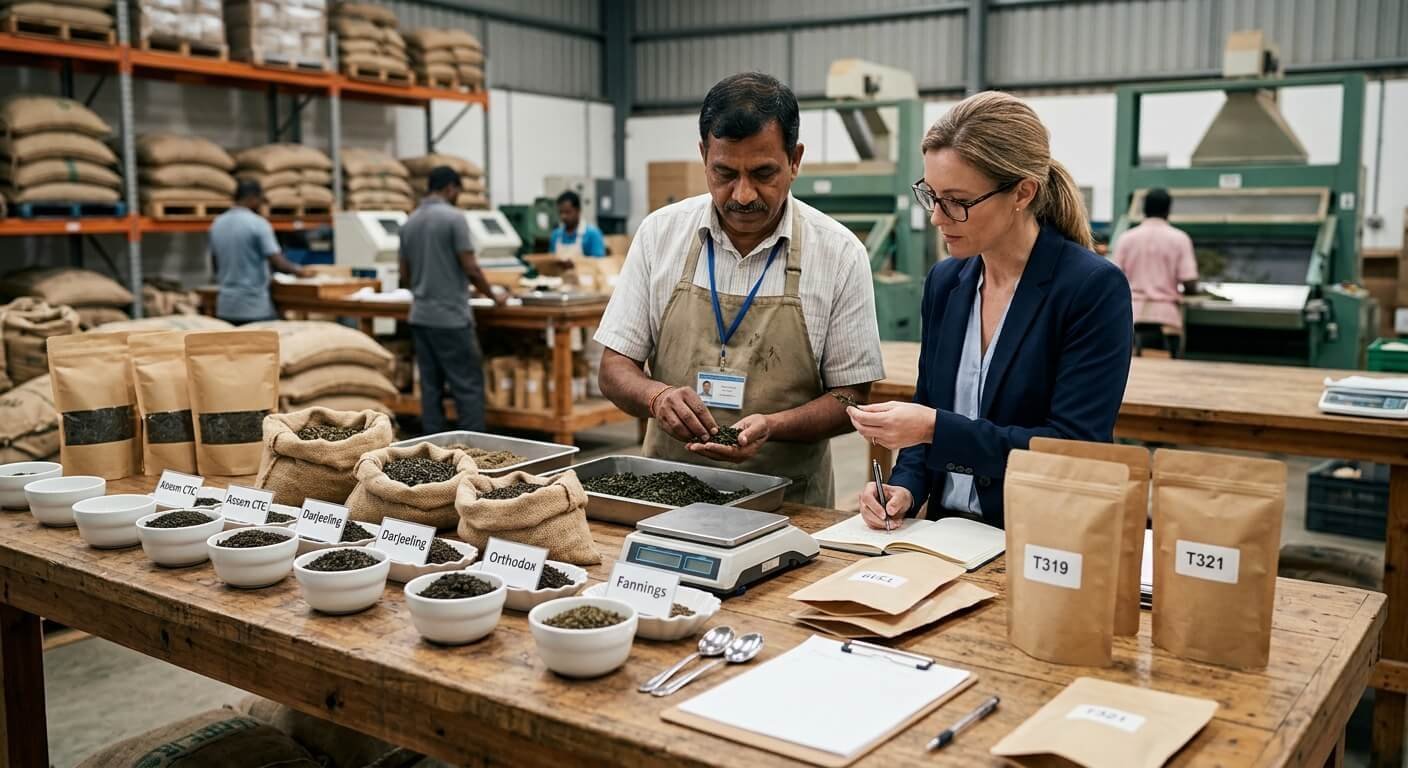
Consumer demand has shifted toward beverages with an active functional angle rather than tea positioned purely on flavour. Most traditional tea wholesalers only know how to grade and sell standard black CTC or green tea — they don’t have the formulation expertise to blend botanicals effectively, which is exactly why this remains a specialised, higher-margin category rather than something every supplier can credibly offer.
What to Get Right Before You Launch a Functional Blend
- Work with a manufacturer who actually formulates, not just sources. Printing an ingredient name on a label is easy; blending it into a stable, palatable product consistently is a different skill.
- Describe ingredients and traditional use — don’t promise outcomes. “Formulated with Ashwagandha, traditionally used to support relaxation” is accurate. Claiming a blend “relieves anxiety” or “treats insomnia” crosses into medical claim territory that most food safety regulators — FSSAI in India, FDA/FTC in the US — don’t allow on a tea label.
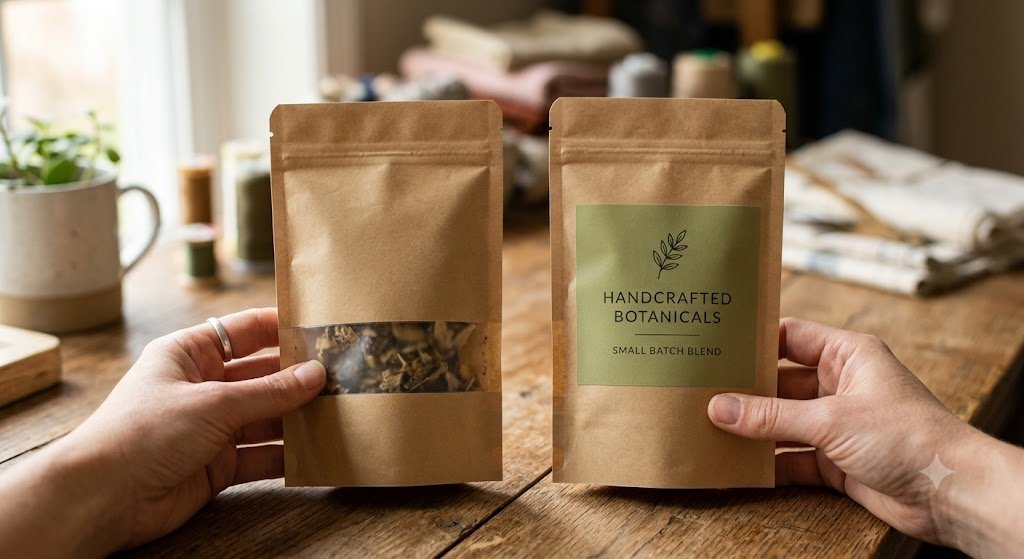
- Check labelling requirements early. Functional blends still need standard tea labelling — ingredients, net weight, batch number, licence number — alongside any wellness positioning.
Health-claim wording is regulated by FSSAI — check current guidance before finalising label copy, alongside the Tea Board of India for category data.
Frequently Asked Questions
Can I make health claims on a functional tea label?
Describe the ingredient and its traditional use rather than promising a specific health outcome — claims like “relieves” or “treats” a condition are regulated territory in every major market and generally not permitted on a tea label.
Is a functional blend more expensive to produce than a standard tea?
It typically involves more formulation work than a standard black or green tea blend, so factor that into your planning — your manufacturer can confirm specifics once your blend concept is defined.
Which functional category has the most demand right now?
Demand spans all four — Sleep & Relaxation, Immunity, Digestion, and Energy — with the right choice depending on your target audience rather than one category being universally strongest.
To see functional and wellness formulation as part of a full private label build, explore Ricwell’s private label tea manufacturing service.
Related Reading
Launching Wellness Blends
Capitalizing on functional wellness tea trends requires careful planning, clean botanical sourcing, and strict compliance testing. Whether you want to add an active herbal blend to your existing portfolio or launch a dedicated wellness brand, we can help. Learn more on our B2B wholesale and bulk tea supply page and request our catalog of custom wellness formulations.
Ready to Launch or Scale Your Tea Brand?
Ricwell handles direct Darjeeling garden sourcing, retail-ready blending, custom packaging, and FSSAI/export compliance under your own brand name from 5kg low MOQs.