If you’re sourcing premium Indian tea, you’ve likely encountered two names more than any others—Darjeeling and Assam.
Both are world-famous tea-growing regions in India, yet they produce remarkably different teas. From flavour and aroma to processing, pricing, and commercial applications, understanding the differences between Darjeeling vs Assam tea is essential for tea brands, wholesalers, retailers, cafés, and importers.
This guide explains how these two iconic teas compare and how to choose the right one for your business.
Darjeeling vs Assam Tea at a Glance
| Feature | Darjeeling Tea | Assam Tea |
|---|---|---|
| Growing Region | Himalayan foothills of Darjeeling | Brahmaputra Valley, Assam |
| Elevation | High altitude | Low altitude |
| Flavour | Delicate, floral, muscatel | Bold, malty, full-bodied |
| Processing | Primarily orthodox | Orthodox and CTC |
| Colour | Light amber | Deep reddish-brown |
| Best For | Premium loose-leaf tea | Breakfast blends, chai, tea bags |
| Commercial Positioning | Luxury and specialty | High-volume retail and foodservice |
What Is Darjeeling Tea?
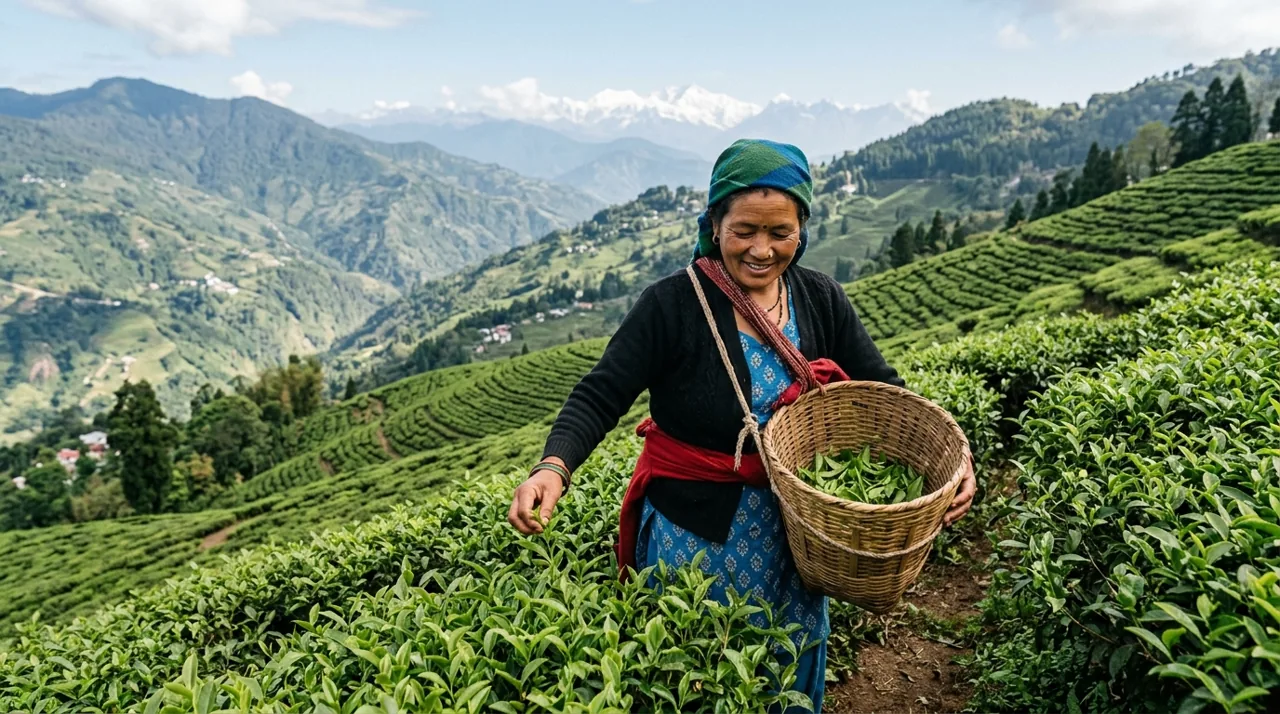
Darjeeling tea is grown in the hills of Darjeeling, West Bengal, at elevations ranging from approximately 600 to 2,000 metres.
Known as the “Champagne of Teas,” Darjeeling tea is prized for its delicate flavour, floral aroma, and signature muscatel character.
According to Ricwell’s sourcing guide, Darjeeling is the company’s home origin and strongest provenance story, with First Flush teas commanding premium pricing because of their exceptional quality and limited seasonal availability.
What Is Assam Tea?
Assam tea is produced in India’s largest tea-growing region and is known for its rich, bold, malty profile.
It forms the backbone of countless breakfast blends, milk teas, chai products, and commercial black tea offerings worldwide.
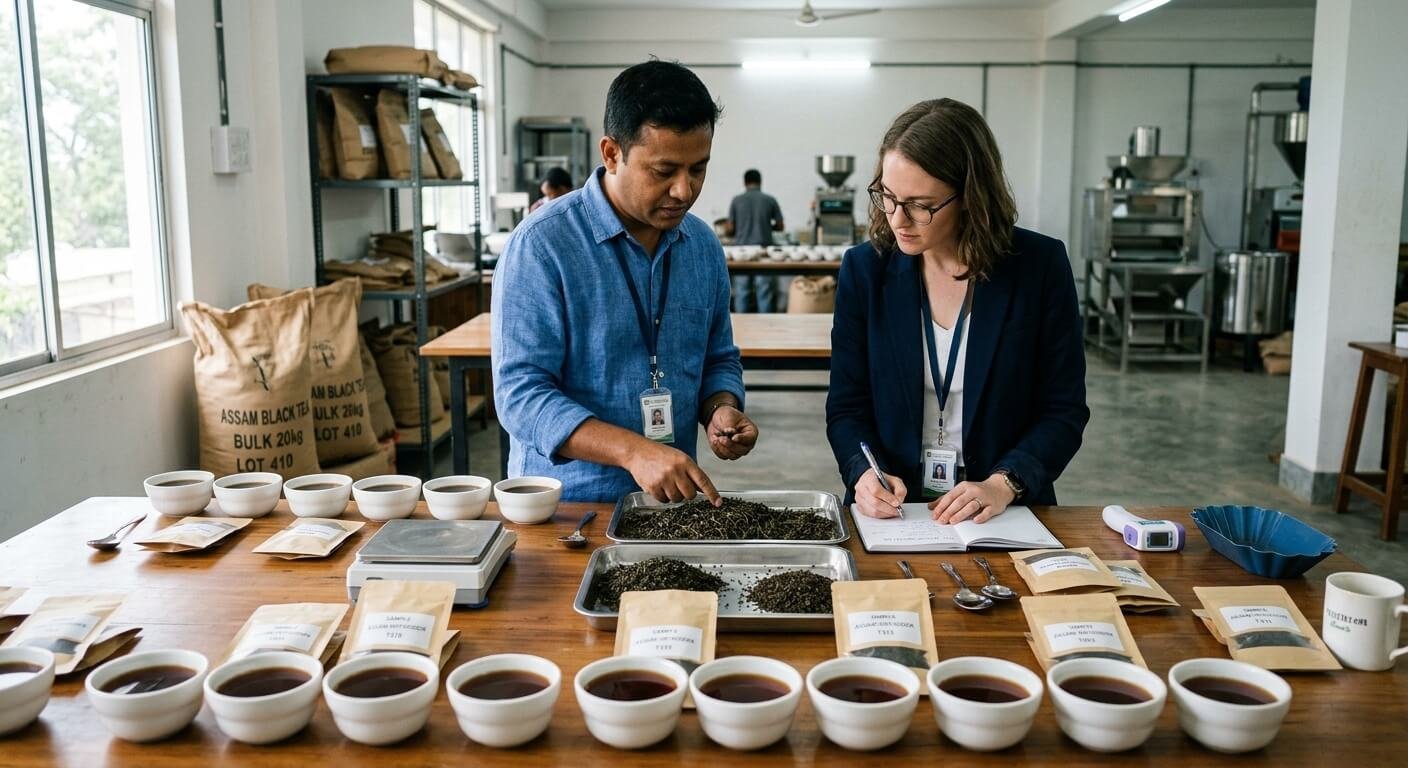
Ricwell identifies Assam as India’s largest tea-producing region by volume and a key source for full-bodied black teas used extensively in wholesale and bulk supply.
Growing Conditions
Darjeeling
High elevations, cool mountain temperatures, misty mornings, and slower leaf growth contribute to Darjeeling’s complex flavour profile.
These growing conditions naturally limit production, making Darjeeling tea comparatively rarer.
Assam
Assam’s warm climate, abundant rainfall, fertile plains, and long growing season encourage vigorous leaf growth and high yields.
These conditions make Assam particularly suitable for large-scale commercial production.
Flavour Profile
One of the biggest differences between Darjeeling and Assam tea is flavour.
Darjeeling Tea
Typical tasting notes include:
- Floral
- Fruity
- Muscatel
- Light-bodied
- Delicate sweetness
- Crisp finish
Darjeeling is usually enjoyed without milk to appreciate its subtle complexity.
Assam Tea
Typical tasting notes include:
- Bold
- Malty
- Rich
- Full-bodied
- Robust
- Strong finish
Its strength makes Assam ideal for milk tea and traditional masala chai.
Processing Methods
Both regions produce orthodox tea, but their commercial focus differs.
Darjeeling
Darjeeling is best known for orthodox whole-leaf processing, producing premium loose-leaf teas with distinctive character.
Assam
Assam produces both:
- Orthodox tea
- CTC (Crush-Tear-Curl) tea
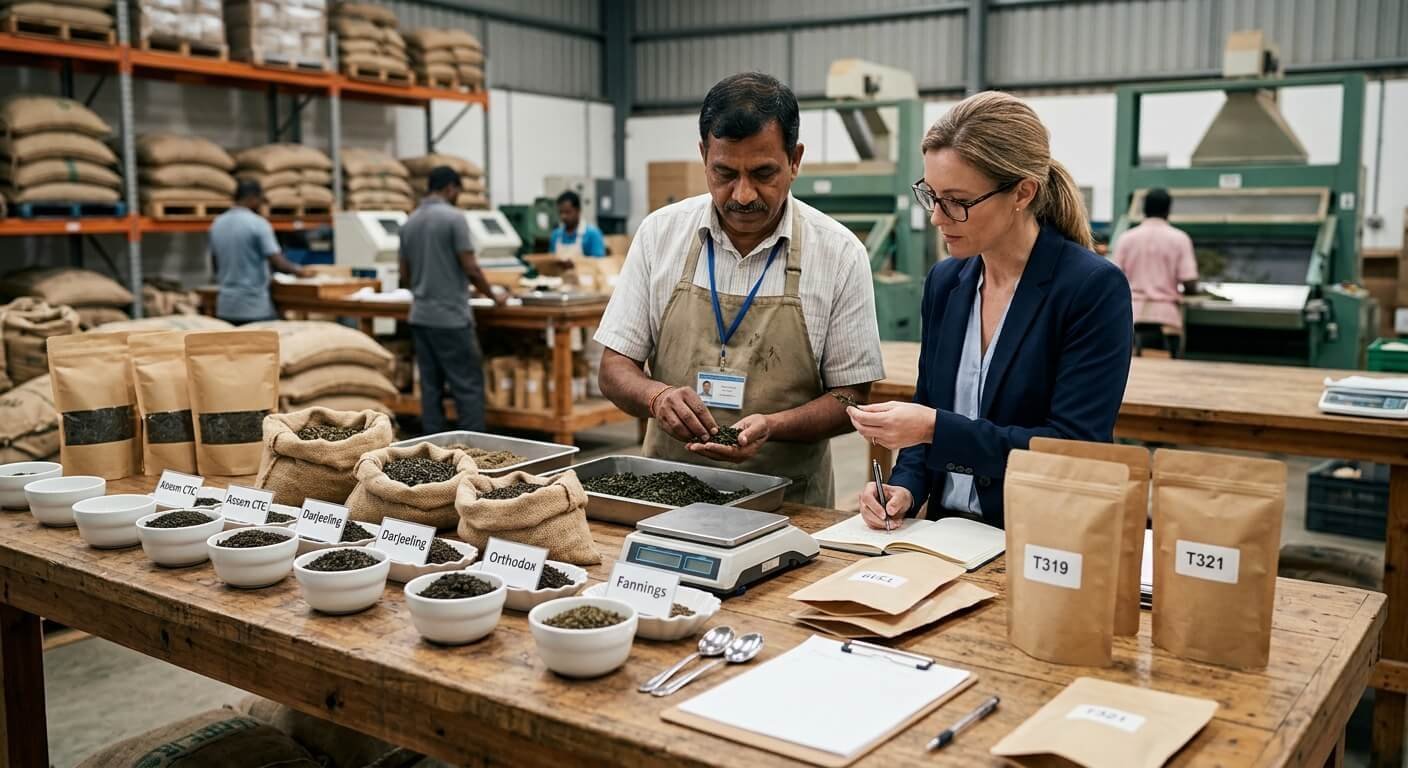
CTC processing creates small, uniform tea particles that brew quickly and consistently, making them popular for tea bags and high-volume commercial blends.
Which Tea Has More Caffeine?
Both teas naturally contain caffeine, but the exact amount depends on factors such as leaf grade, harvest, and brewing method.
Generally, Assam tea is perceived as stronger because of its bold flavour, while Darjeeling offers a lighter drinking experience.
For buyers, flavour profile and intended application are usually more important purchasing considerations than small differences in caffeine content.
Which Tea Costs More?
Darjeeling tea generally commands higher prices because of:
- Limited production
- High-altitude cultivation
- Seasonal harvests
- Premium market positioning
- Strong international demand
Assam tea is produced in significantly larger quantities, making it more suitable for commercial applications where consistency and value are priorities.
Best Commercial Uses
Darjeeling Tea
Darjeeling is commonly used for:
- Premium loose-leaf collections
- Luxury gifting
- Specialty tea retailers
- High-end hospitality
- Gourmet tea subscriptions
- Single-origin offerings
Assam Tea
Assam is widely used for:
- Breakfast tea blends
- Tea bags
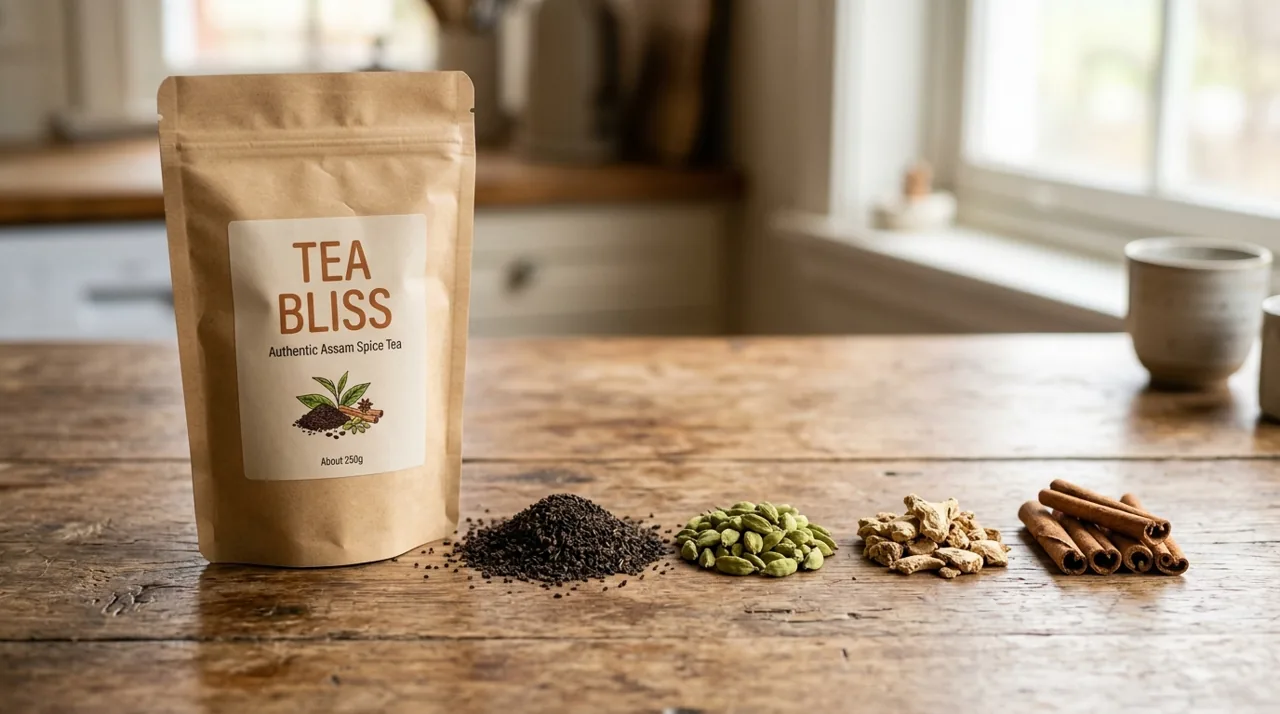
- Chai products
- Foodservice
- Supermarket brands
- Bulk wholesale supply
- Private label tea
Can You Blend Darjeeling and Assam Tea?
Yes.
Many commercial tea brands blend Darjeeling and Assam to balance flavour, aroma, strength, and cost.
For example:
- Assam contributes body and maltiness.
- Darjeeling adds floral complexity and aroma.
This approach is especially popular for breakfast blends and premium everyday teas.
Ricwell’s catalogue includes Assam–Darjeeling breakfast blends designed for wholesale and private label buyers seeking balanced flavour profiles.
Which Tea Should Your Business Choose?
The right choice depends on your customers and product positioning.
Choose Darjeeling tea if you want to offer:
- Premium single-origin tea
- Specialty loose-leaf collections
- Luxury gifting products
- High-end hospitality offerings
Choose Assam tea if you need:
- Commercial consistency
- Bold everyday tea
- Tea bags
- Chai blends
- Large-scale wholesale supply
Many successful tea brands include both origins to serve different customer preferences and price points.
Why Source Both Through Ricwell?
Ricwell’s Darjeeling headquarters provide direct access to one of the world’s most respected tea origins while its sourcing network extends across Assam, Bihar, and the Dooars.
For wholesale buyers, this means access to:
- Premium Darjeeling teas
- High-quality Assam teas
- Orthodox and CTC varieties
- Single-origin selections
- Breakfast blends
- Custom formulations
- Flexible wholesale MOQs
- Private label manufacturing
- Export-ready documentation
Rather than sourcing from multiple suppliers, buyers can procure a wide range of Indian teas through one experienced sourcing partner.
Final Thoughts
The debate around Darjeeling vs Assam tea isn’t about which tea is better—it’s about choosing the right tea for the right purpose.
Darjeeling delivers elegance, complexity, and premium appeal. Assam offers strength, consistency, and exceptional commercial versatility.
Understanding these differences helps tea businesses build stronger product portfolios, meet customer expectations, and make more informed sourcing decisions.
Looking for Premium Darjeeling or Assam Tea?
Whether you’re sourcing loose-leaf tea for wholesale, creating a private label range, or importing Indian tea internationally, Ricwell can help you identify the right origin, grades, and blends for your market.
Contact our team today to discuss your wholesale tea requirements and request a customised quotation.
Ready to Launch or Scale Your Tea Brand?
Ricwell handles direct Darjeeling garden sourcing, retail-ready blending, custom packaging, and FSSAI/export compliance under your own brand name from 5kg low MOQs.