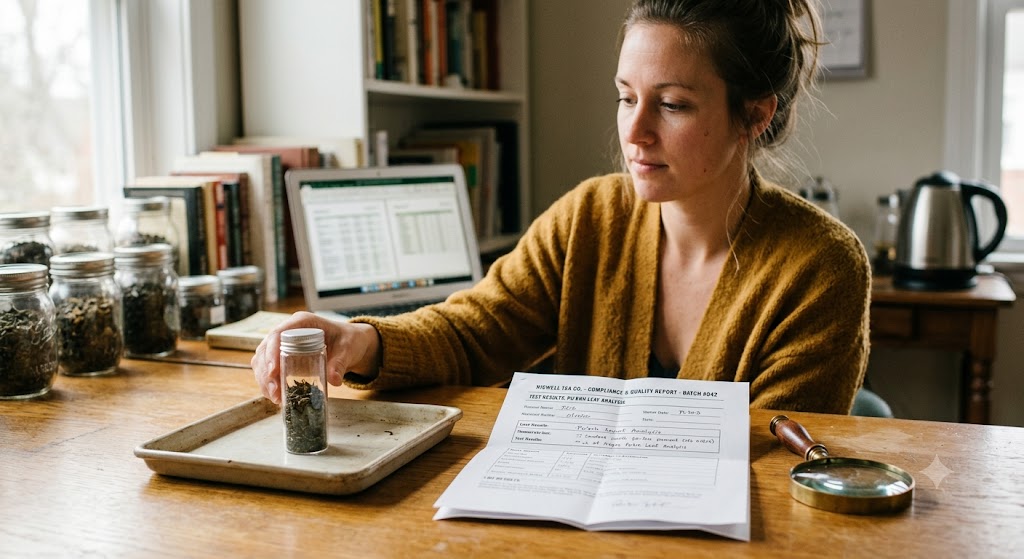
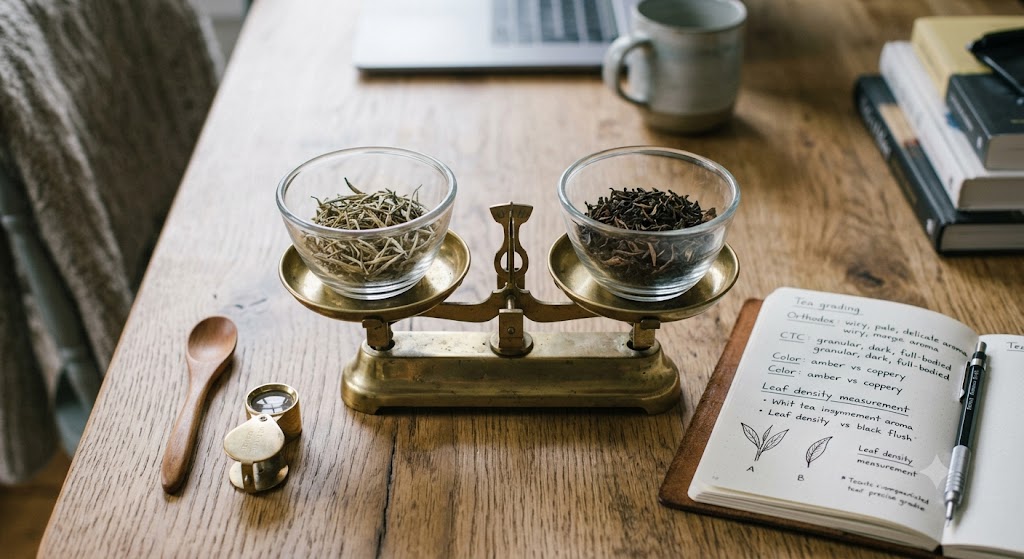
Starting a tea brand with no inventory means using a dropshipping model — you set up your own branded storefront, list products, and each order is packed and shipped directly to your customer only after it’s sold, with your labels and packaging, not a supplier’s. There’s no upfront stock purchase and no warehouse. Here’s the actual sequence to get from idea to first sale.
Table of Contents
Quick Answer: How to Start a Tea Brand With No Inventory
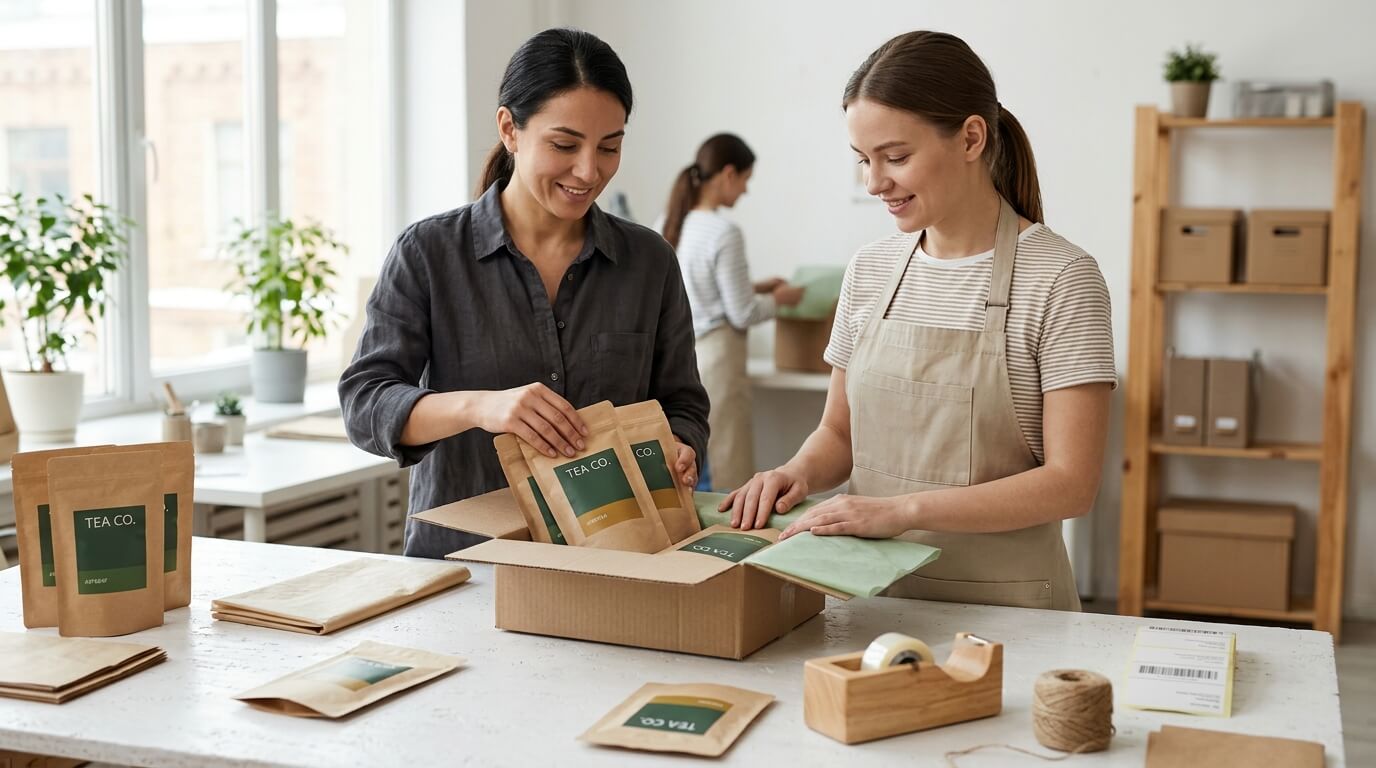
To start a tea brand with no inventory, you use a dropshipping model: set up your own branded storefront, list your products, and each order is packed and shipped directly to your customer only after it sells, under your labels — not a supplier’s. There’s no upfront stock purchase and no warehouse required.
Step 1: Pick Your Angle
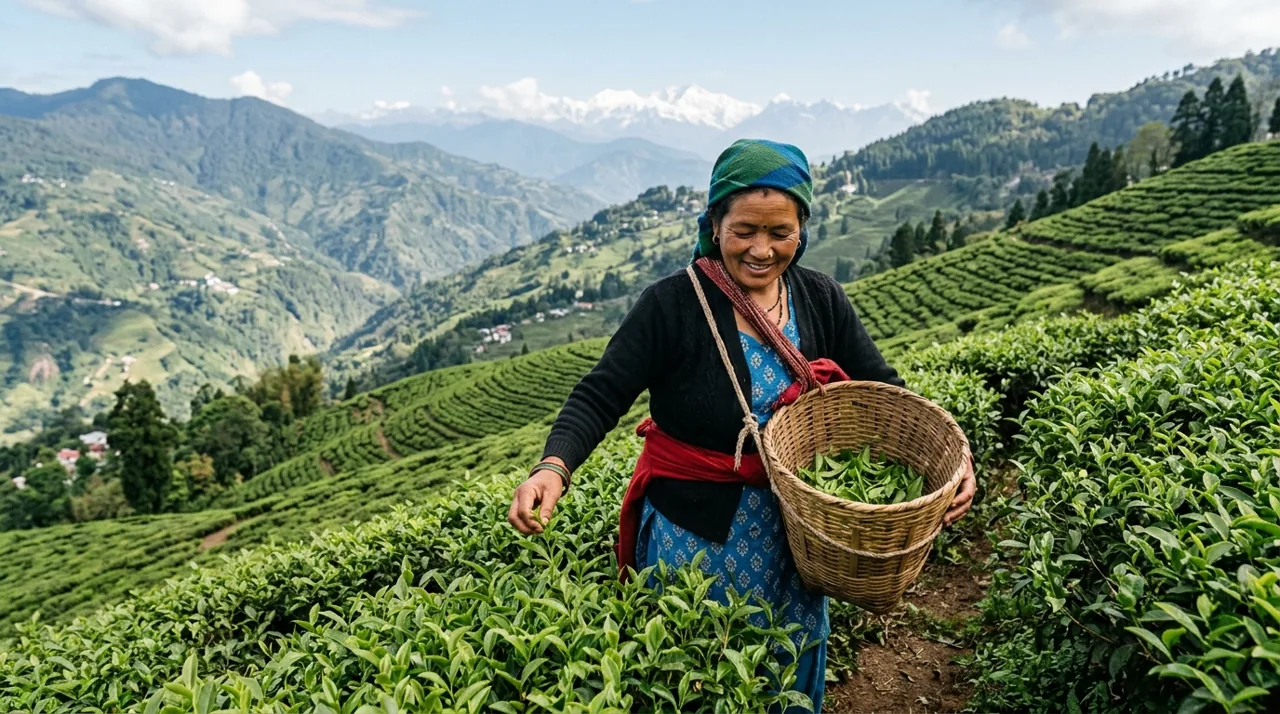
A tea brand needs a reason to exist beyond “we sell tea.” That could be a wellness niche (functional blends, adaptogenic teas), an aesthetic niche (minimalist packaging for a lifestyle audience), or an origin story (single-origin Darjeeling for a specialty coffee-and-tea crowd). The angle shapes every decision after this — product selection, packaging, and who you market to.
Step 2: Choose Your Products
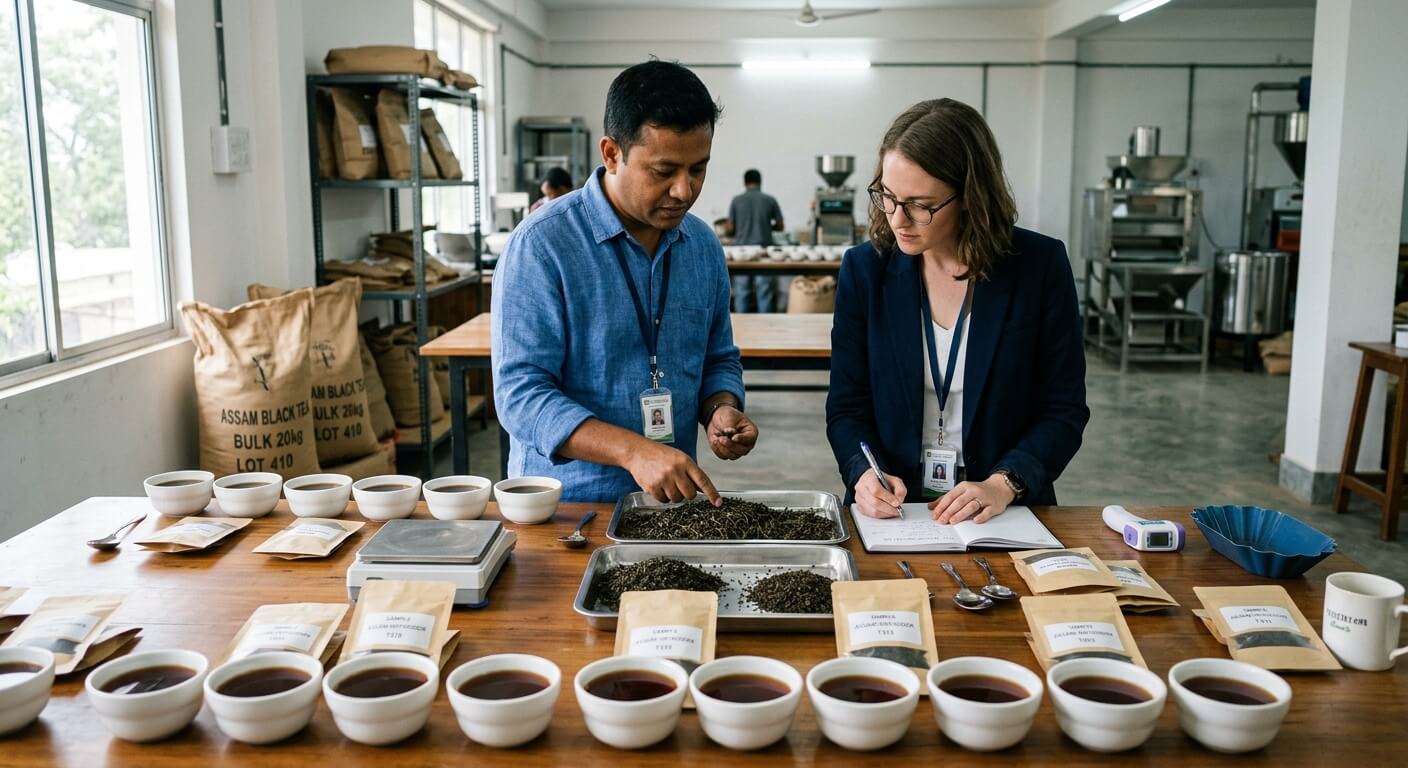
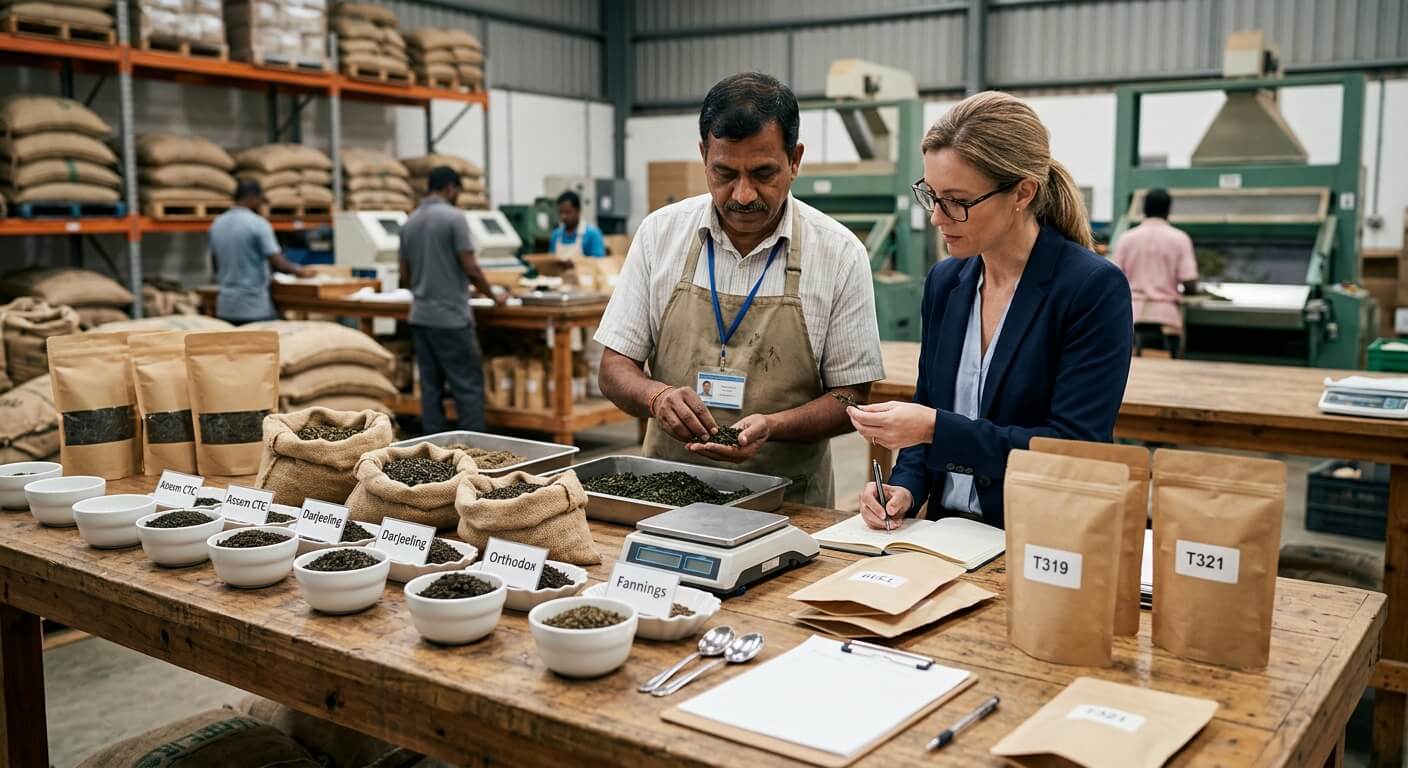
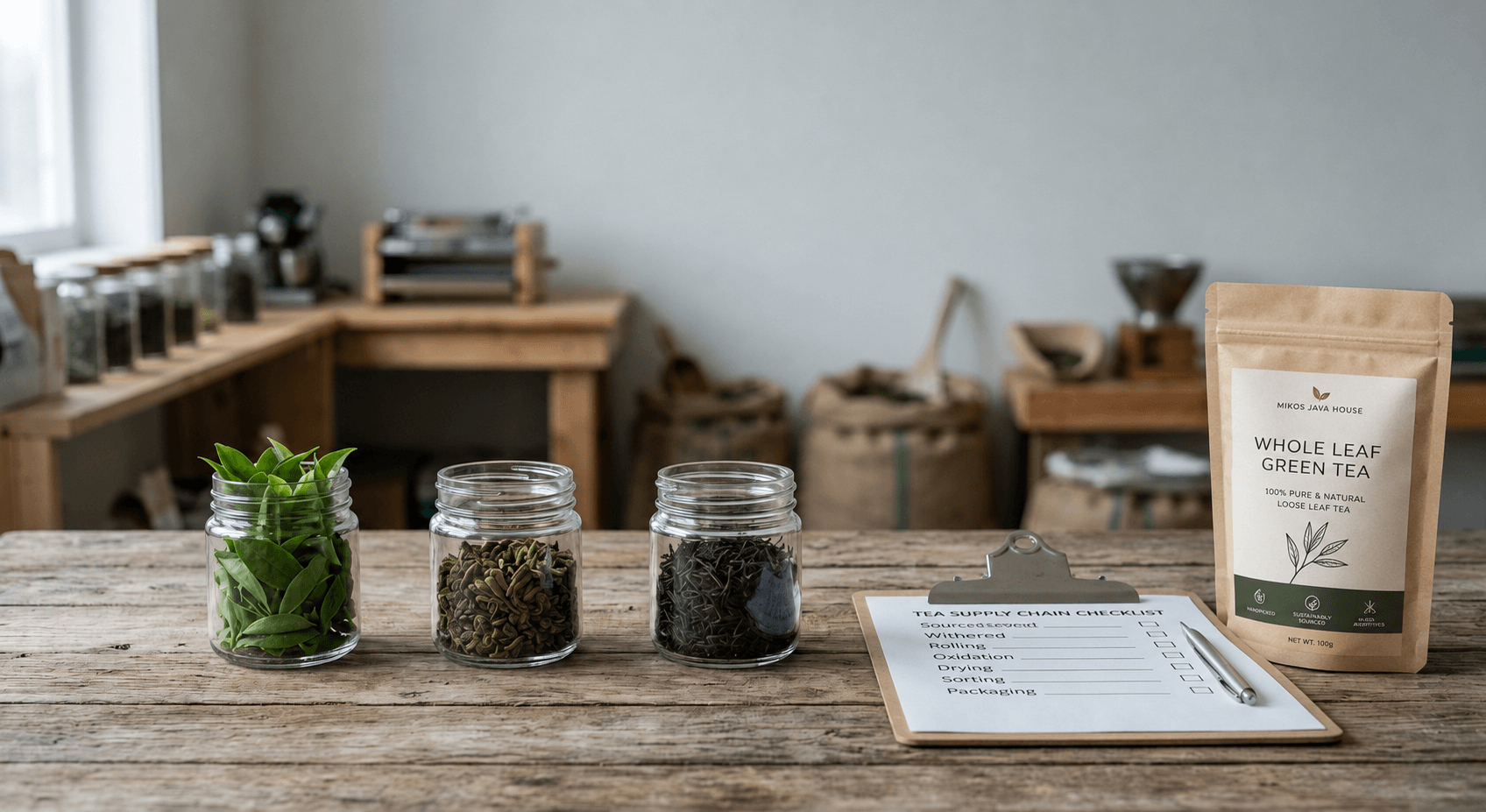
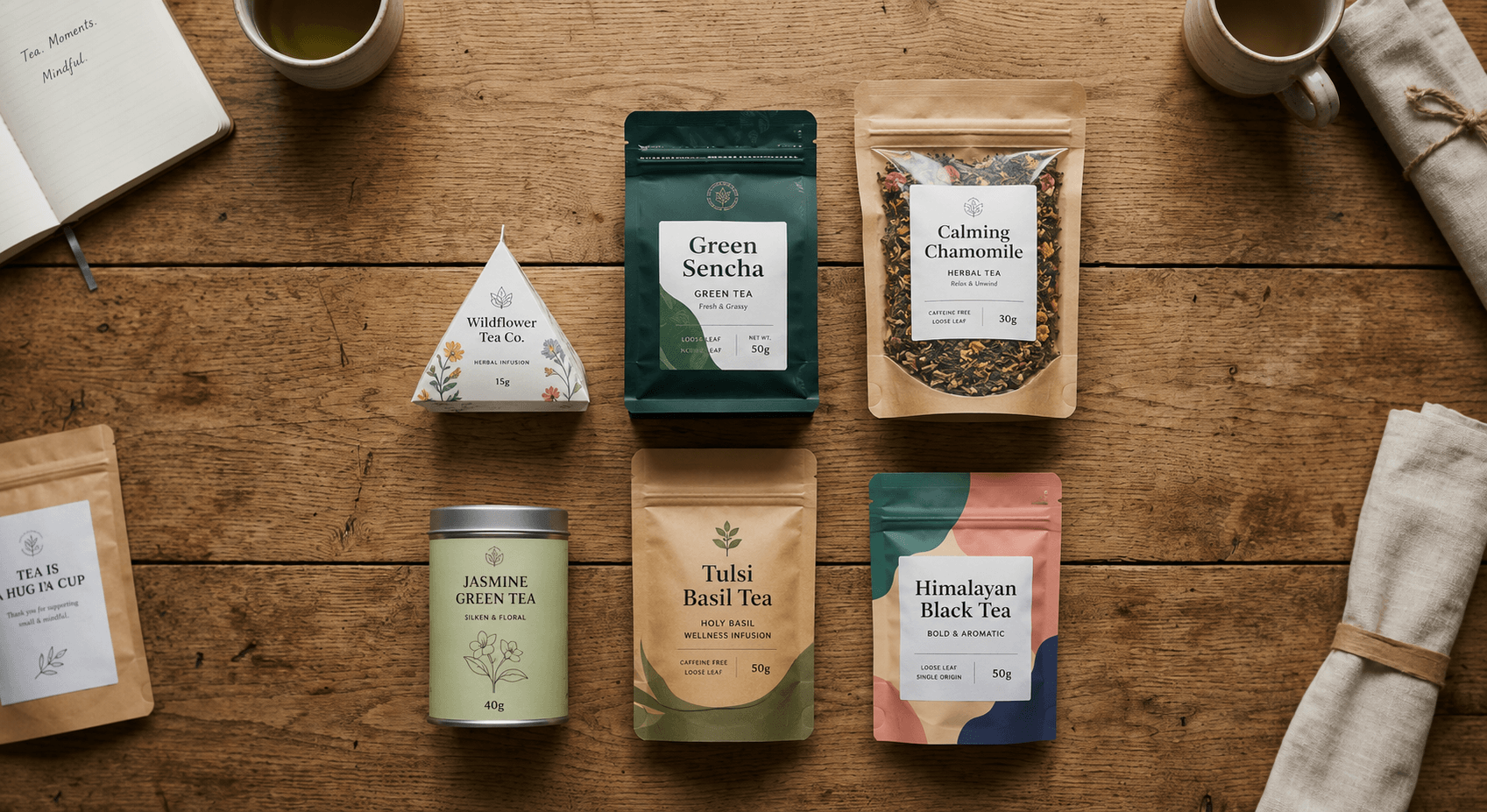
Start narrow. A first collection of 3-6 SKUs is easier to market and test than a 20-product catalogue — you can always expand once you know what’s selling. Pick blends or single-origin teas that match your angle from Step 1, and confirm your supplier can produce them at your target order volume without a high minimum.
Step 3: Design Your Branding
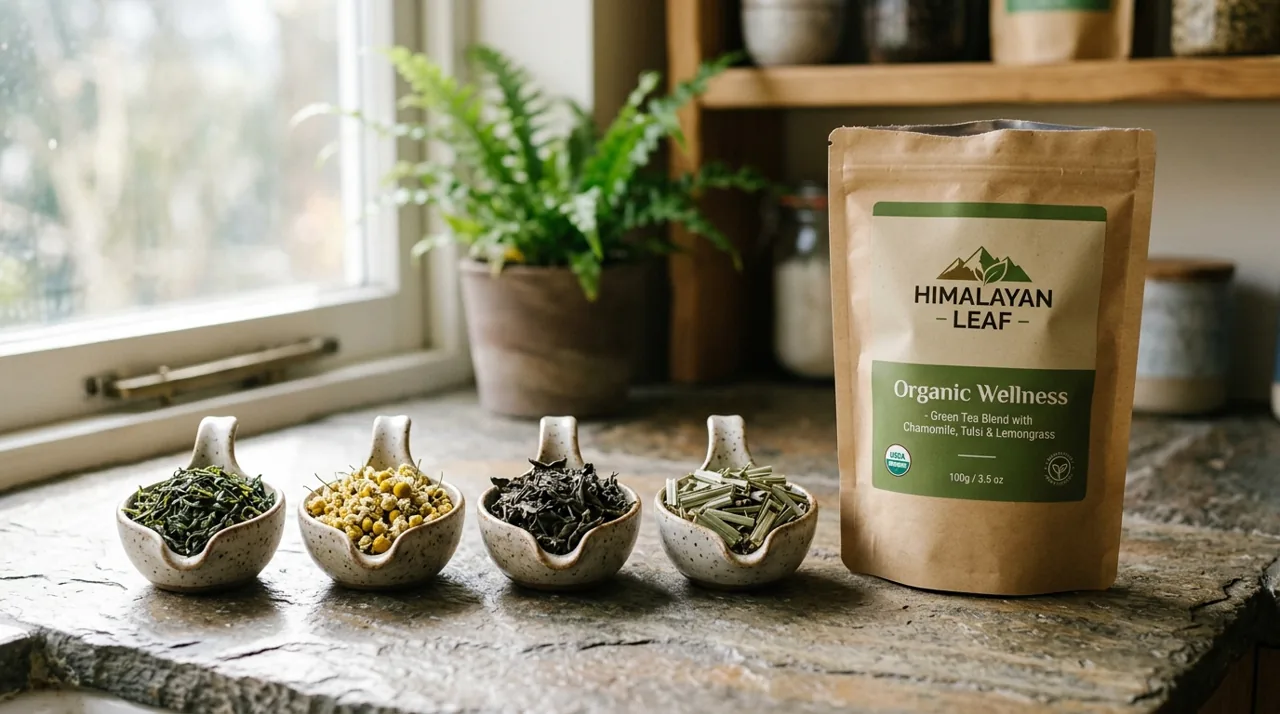
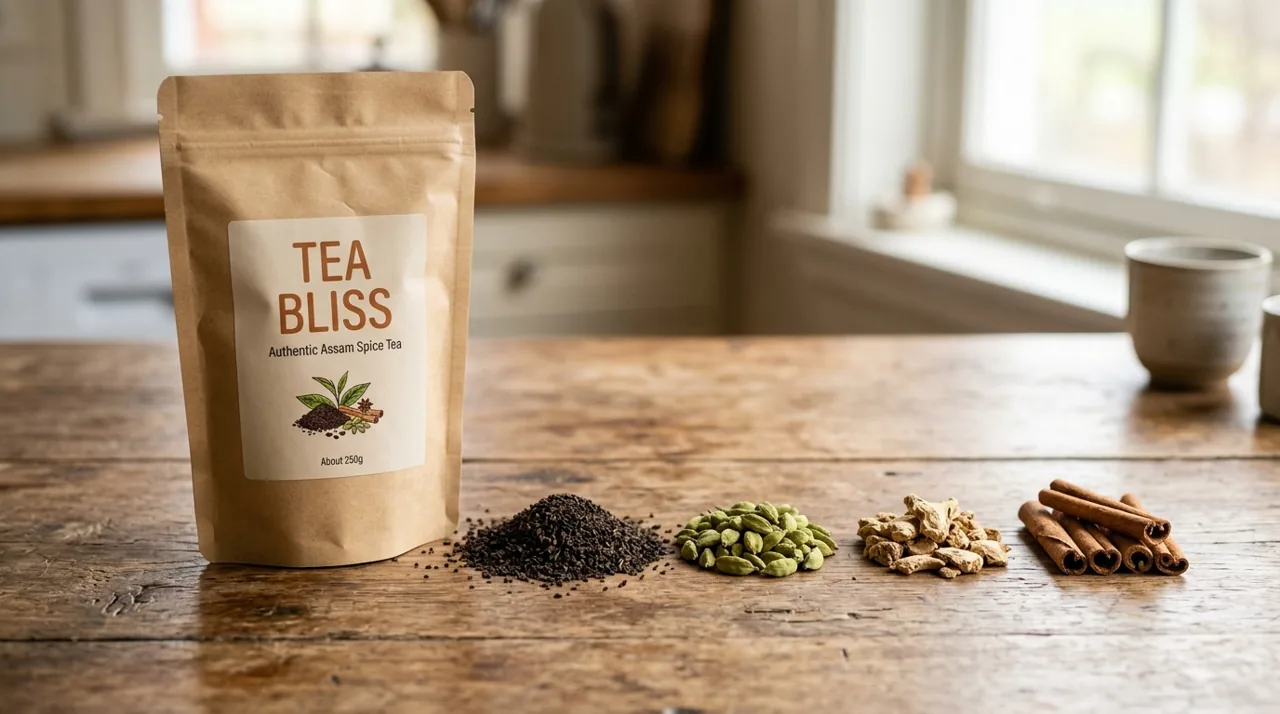
This is what makes it your brand, not a reseller storefront. You’ll need a logo, a label design, and a packaging format (pouch, box, or tin) that your supplier can actually apply at the order quantities you’re starting with. Ask your supplier directly what packaging formats and minimums they support before finalizing designs — designing around a format they can’t produce at low volume is a common early mistake.
Step 4: Set Up Your Store
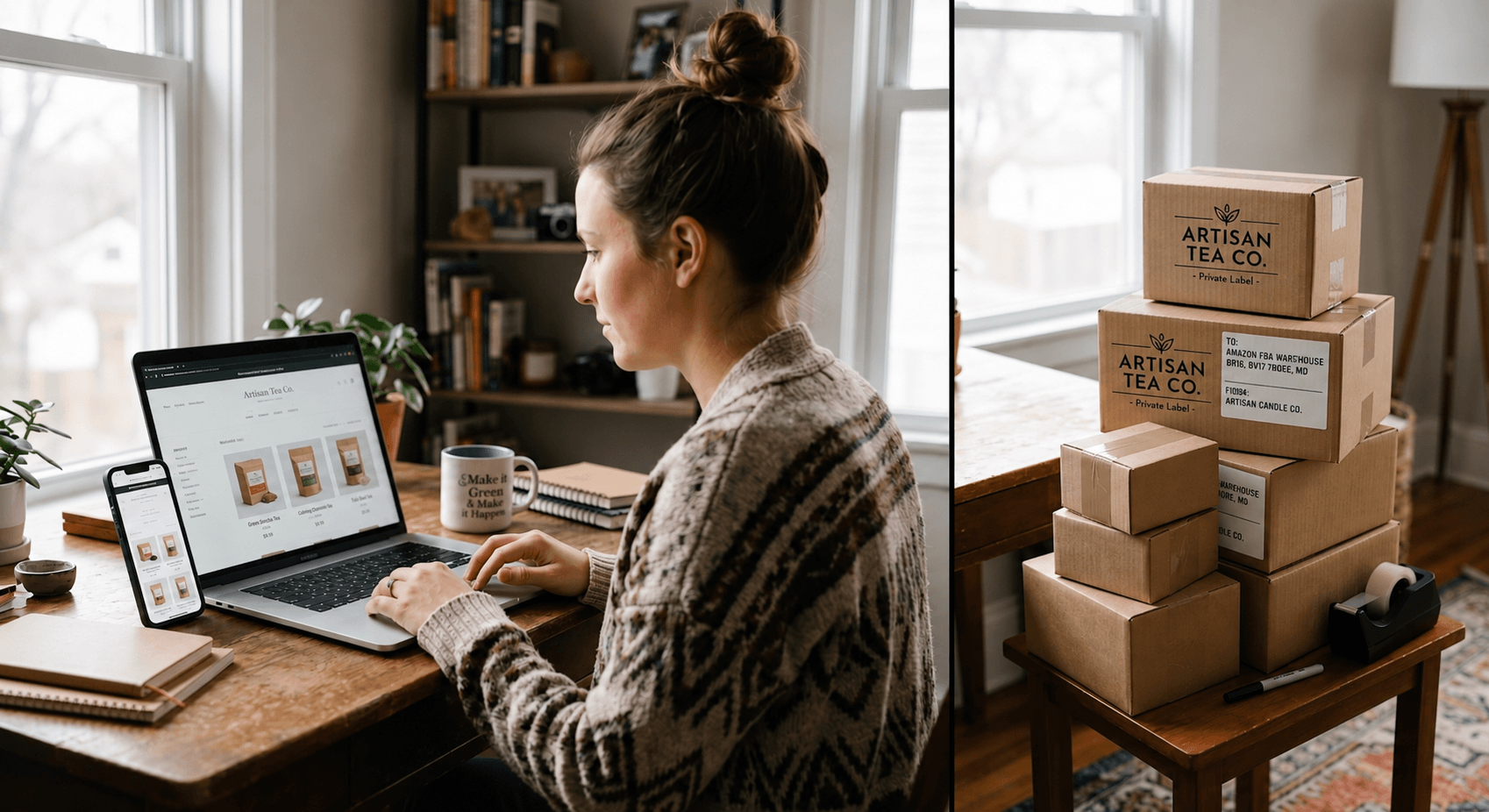
Most dropshipping tea brands run on Shopify or a similar platform. Product photos, descriptions, and pricing all get built out here. Pricing needs to cover your per-unit cost, shipping, and a real margin — not just match what you’d charge if you were buying wholesale and reselling at retail markup.
Step 5: Connect Your Supplier
This is the operational core: when a customer orders on your site, that order gets routed to your supplier, who packs and ships it under your branding directly to the customer. Confirm how order routing actually works with your supplier — manual order forwarding, an integration, or a shared dashboard — before you launch, not after your first order comes in.
Step 6: Launch and Test
Start marketing to a small audience first — friends, an existing social following, or a small ad budget — and treat your first few weeks as a demand test, not a full launch. Because you haven’t bought inventory, a slow start costs you marketing spend, not a warehouse of unsold stock. That’s the core advantage of this model: you can adjust products, pricing, or positioning based on real orders instead of guessing upfront.
What You Don’t Need to Start
- A warehouse or storage space
- Upfront inventory purchase
- Packing or shipping staff
- A large starting budget — your main costs are branding, your storefront, and marketing
See the Tea Board of India for industry background, and FSSAI for the labelling rules your branded packaging still needs to meet.
Frequently Asked Questions
How much does it cost to start a dropshipped tea brand?
Costs are concentrated in branding (logo, label design), your online store setup, and marketing — not inventory, since you’re not buying stock upfront. Ask prospective suppliers about sample costs and any setup fees so you can budget accurately before launch.
How fast can I actually launch?
Timeline depends mostly on branding and supplier setup, not manufacturing lead time, since you’re not waiting on a bulk production run before launching. Ask your supplier directly what their onboarding and first-sample timeline looks like.
Can I switch to bulk ordering later if the brand takes off?
Yes — many brands start with dropshipping to validate demand, then move to bulk private label ordering once they have consistent order volume, which typically improves margins. See how Ricwell’s private label tea manufacturing works for that next stage.
To start your own branded tea line with zero inventory, see how Ricwell’s tea dropshipping program works.
Related Reading
Ready to Launch or Scale Your Tea Brand?
Ricwell handles direct Darjeeling garden sourcing, retail-ready blending, custom packaging, and FSSAI/export compliance under your own brand name from 5kg low MOQs.