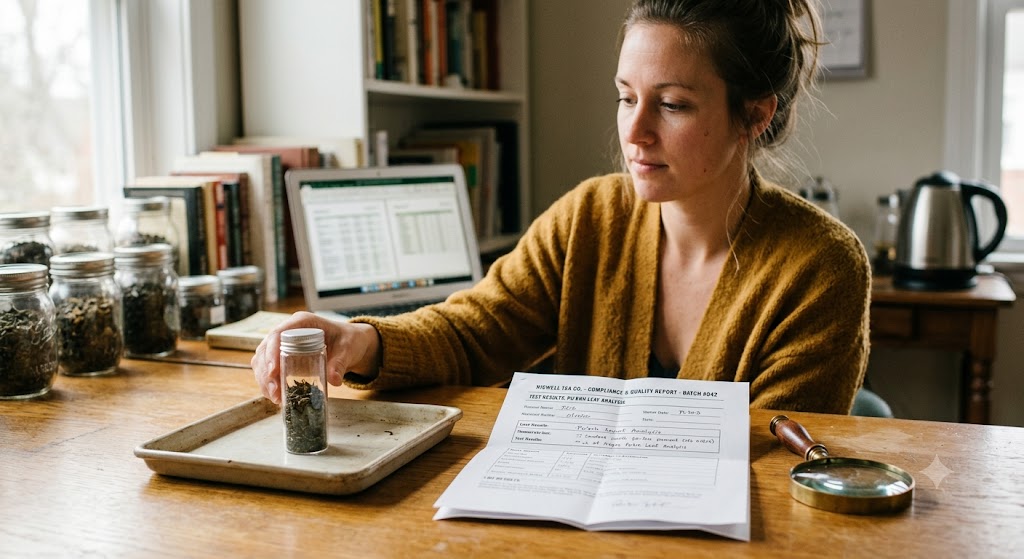
Launching a private label tea brand runs through five stages: discovery, product and brand planning, brand build, digital presence, and fulfilment. Each stage has a specific job and a specific output, and skipping ahead — ordering packaging before your blend is finalised, for instance — is where most delays actually come from.
Table of Contents
Quick Answer: How to Launch a Private Label Tea Brand
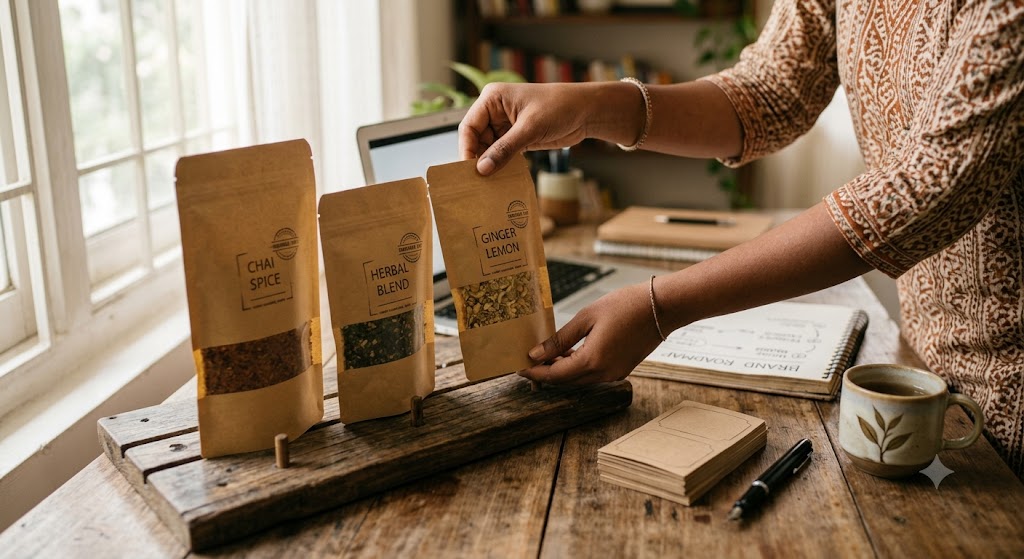
To launch a private label tea brand, you’ll move through five stages: discovery, product and brand planning, brand build, digital presence, and fulfilment. Each stage has a specific output, and skipping ahead — like ordering packaging before your blend is finalised — is where most delays actually come from.
If you’ve already decided private label is your route in and want to know what actually happens between signing on and shipping your first order, here’s each stage in detail.
Stage 1: Discovery Call
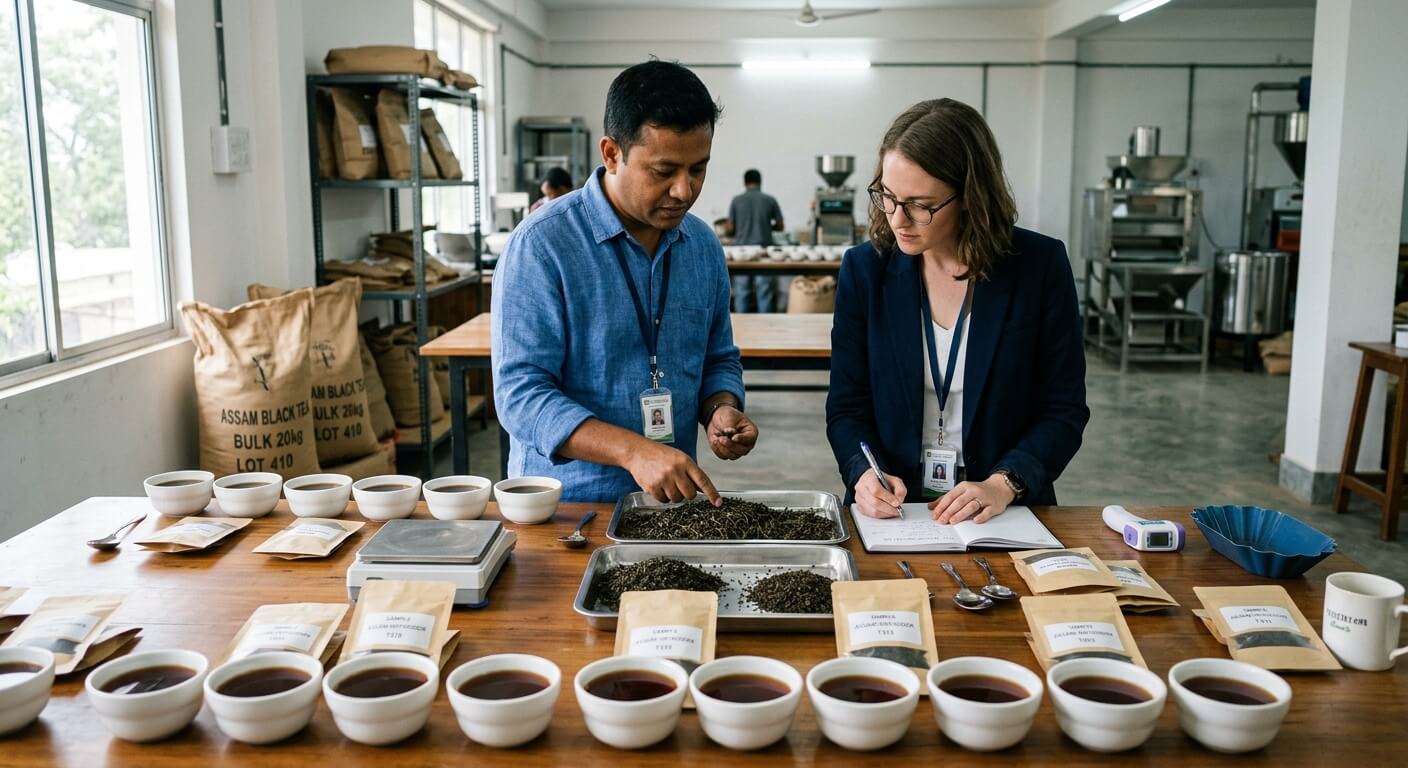
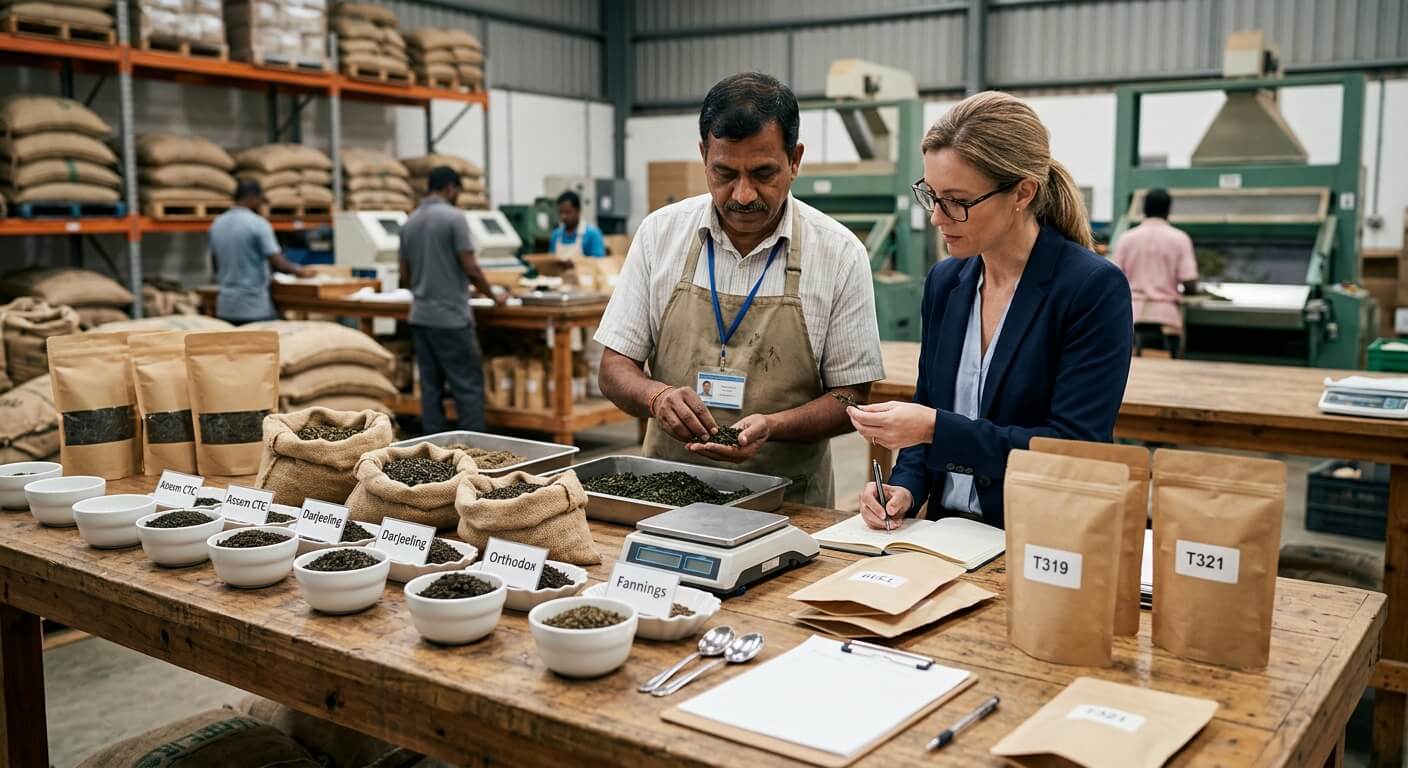
This is where your manufacturer understands your product idea, target market, business goals, and budget — not a sales pitch, a genuine information exchange. Come with rough answers on tea type, target price point, and where you plan to sell, even if none of it is locked in yet. A good discovery call surfaces constraints early: if your budget assumes a 500kg order and your manufacturer’s MOQ works differently, better to know in week one than week six.
Stage 2: Product & Brand Planning
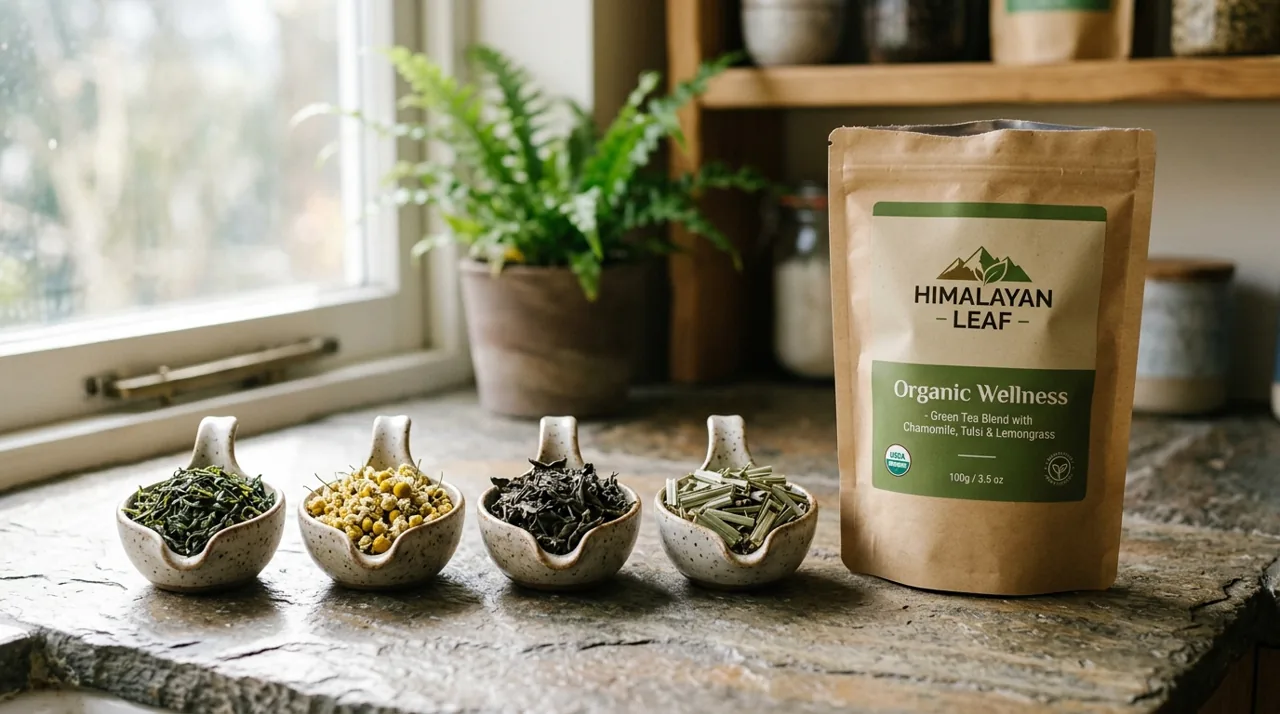
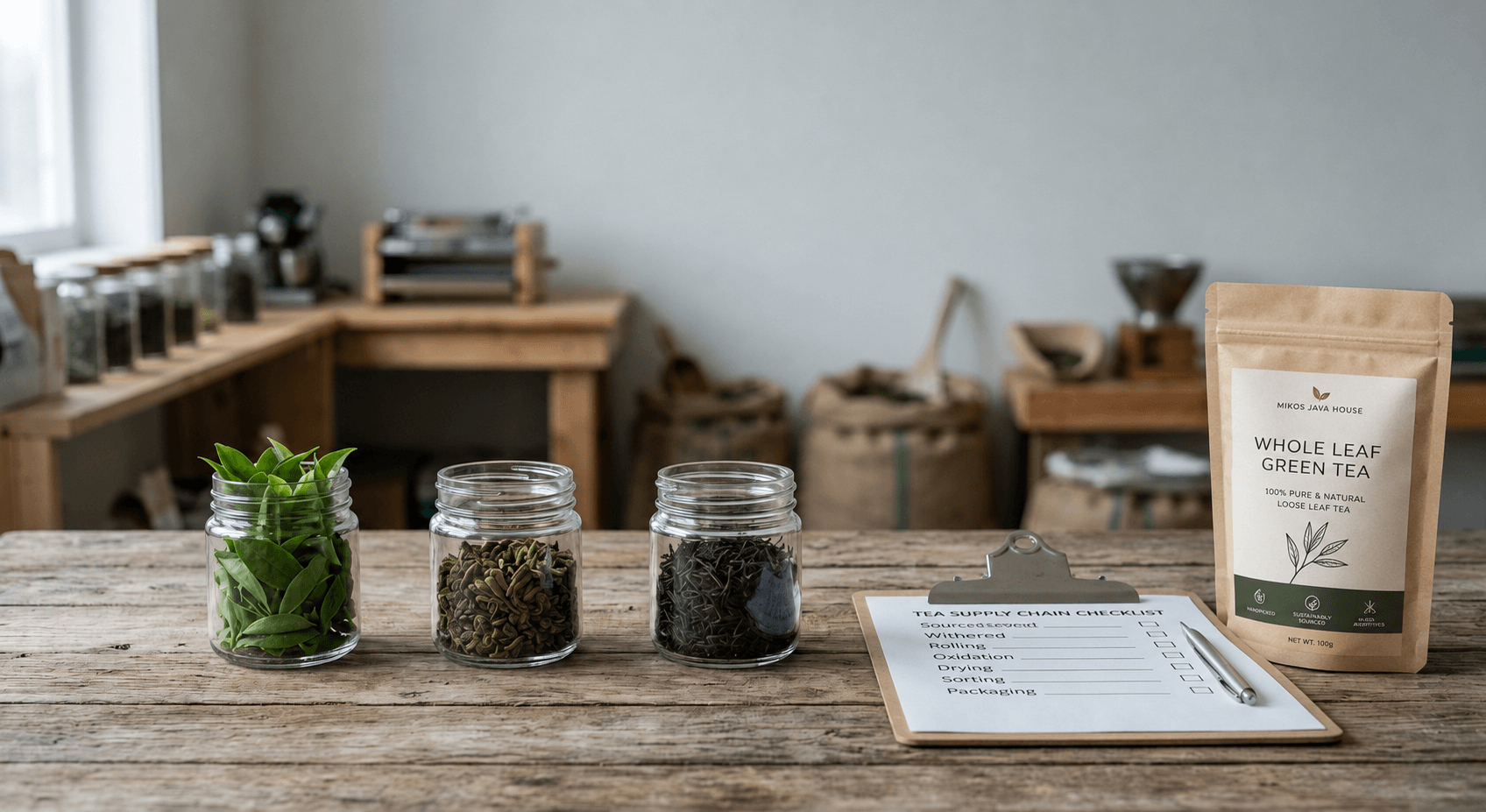
Tea type, blend, and origin get selected here, alongside brand positioning and target audience. This is also where functional or wellness positioning gets decided — Ashwagandha, Turmeric, Moringa, Hibiscus, and Probiotic-based blends are a genuinely growing category, but only worth pursuing if a formulation team can actually execute it, not just print the ingredient name on a label.
Stage 3: Brand Build
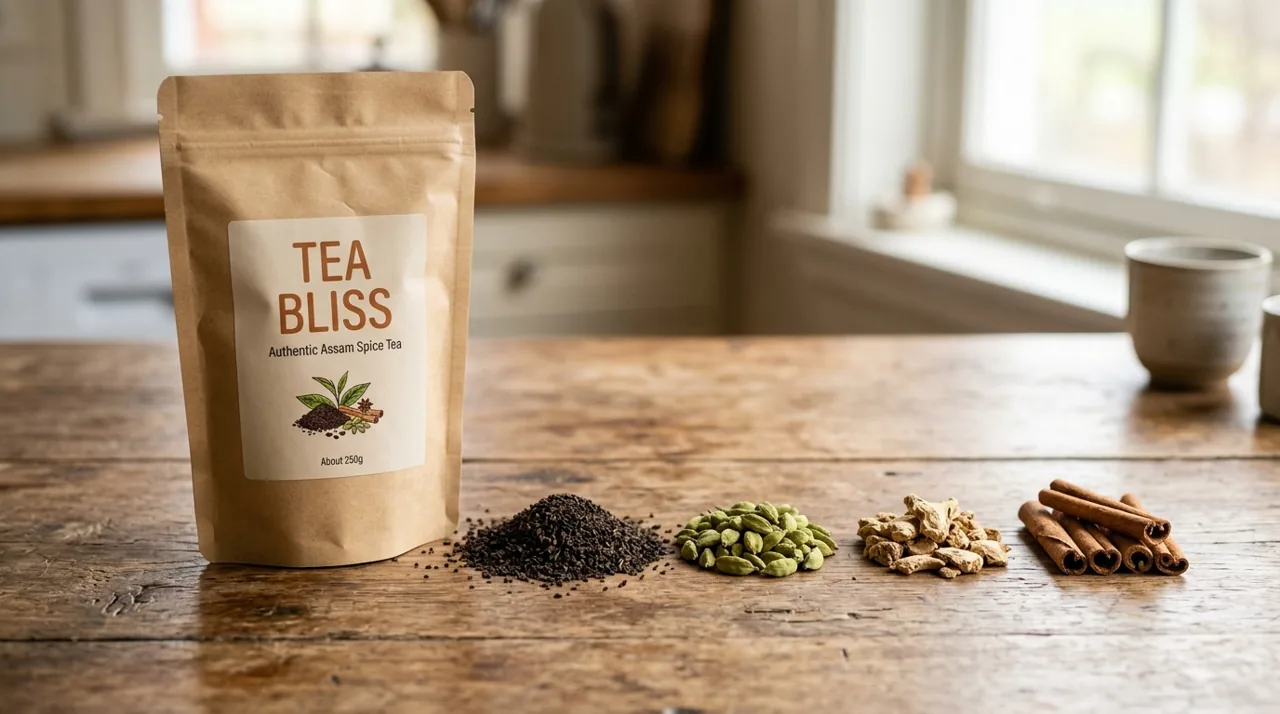
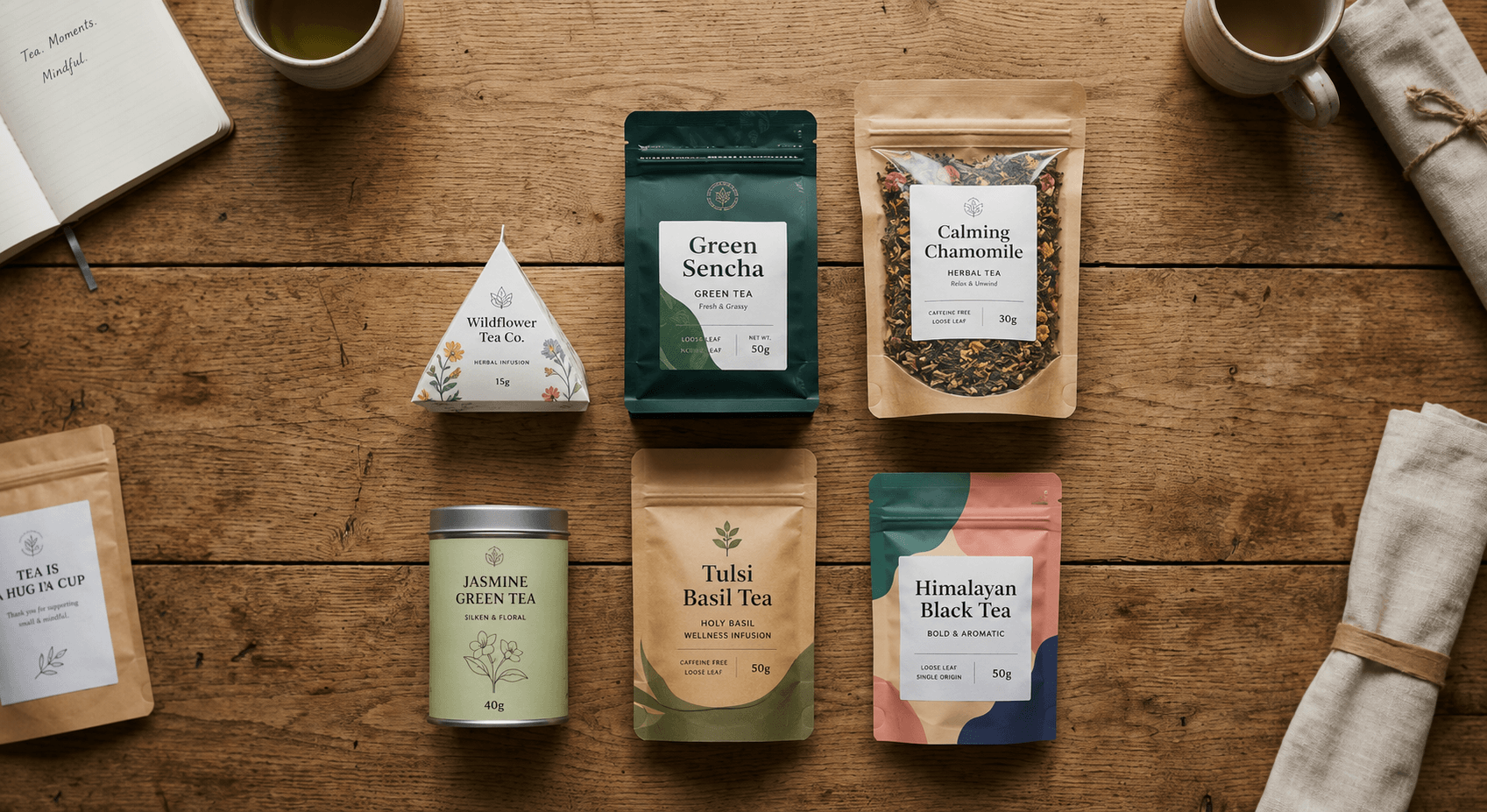
Logo, label design, packaging, and compliance documentation get produced in this stage. Packaging format — doypack or pyramid tea bag — gets locked in here too, and it’s worth deciding early: custom print runs on packaging typically take longer than founders budget for, and it’s the single most common bottleneck in an otherwise fast timeline.
Stage 4: Digital Presence
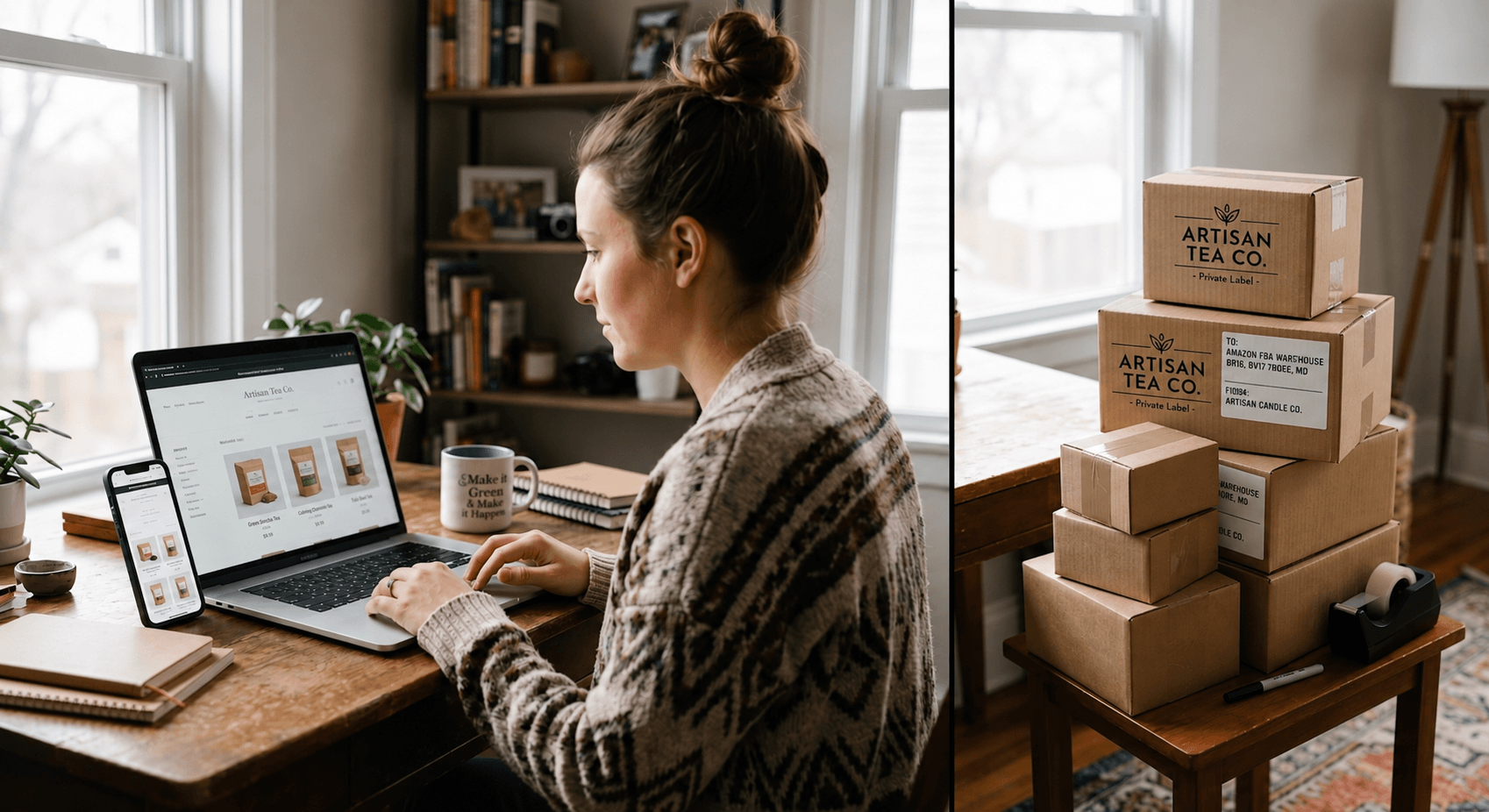
Where it’s in scope, your website and social/search presence get built or updated to match the brand identity from Stage 3. Not every private label engagement includes this — some founders already have a site and just need product photography and listing copy for the new line.
Stage 5: Fulfilment & Scale
Warehousing and fulfilment activate — either retail-ready stock dispatch, or dropshipping order forwarding, depending on which model you’re running. This is also the point where stock reports and low-inventory alerts should kick in, so reorders happen ahead of a stockout rather than in a scramble after one.
What to Ask at Each Stage
- At discovery: “What’s your MOQ for my specific blend, not just your general minimum?”
- At planning: “Who actually formulates the functional blends — is there real expertise behind this, or just an ingredient list?”
- At brand build: “What’s the realistic lead time on packaging, including any revisions?”
- At fulfilment: “How will I know when stock is running low, and how far ahead do I need to reorder?”
Check current requirements with FSSAI and the Tea Board of India before finalising your packaging and labelling.
Frequently Asked Questions
Can I skip stages if I already have some of this figured out?
Some, yes — if you already have a brand identity, Stage 3 moves faster. Sourcing, compliance, and fulfilment still need to happen in sequence regardless of how prepared you arrive.
What’s the biggest reason launches get delayed?
Packaging lead time, consistently. Locking in your format and design early in Stage 3 avoids the most common bottleneck.
Do I need a finished website before I can launch?
No — Stage 4 is scoped to what you actually need. Some founders launch through an existing site or marketplace and add a dedicated site later.
For the full picture of MOQs, packaging formats, and compliance support behind each stage, see Ricwell’s private label tea manufacturing process, or read how to start a tea brand in India if you’re still deciding whether private label is the right route.
Related Reading
- What Is Private Label Tea? A Complete Guide
- Private Label vs. White Label Tea: What’s the Difference?
Ready to Launch or Scale Your Tea Brand?
Ricwell handles direct Darjeeling garden sourcing, retail-ready blending, custom packaging, and FSSAI/export compliance under your own brand name from 5kg low MOQs.